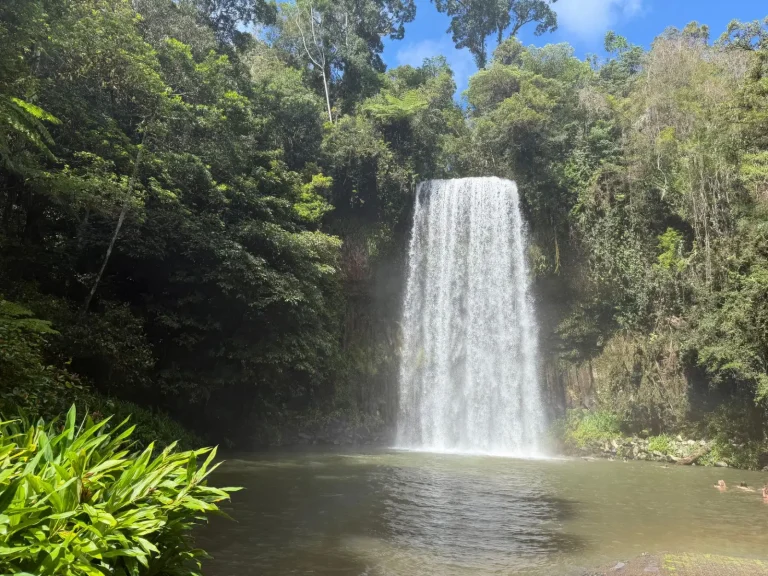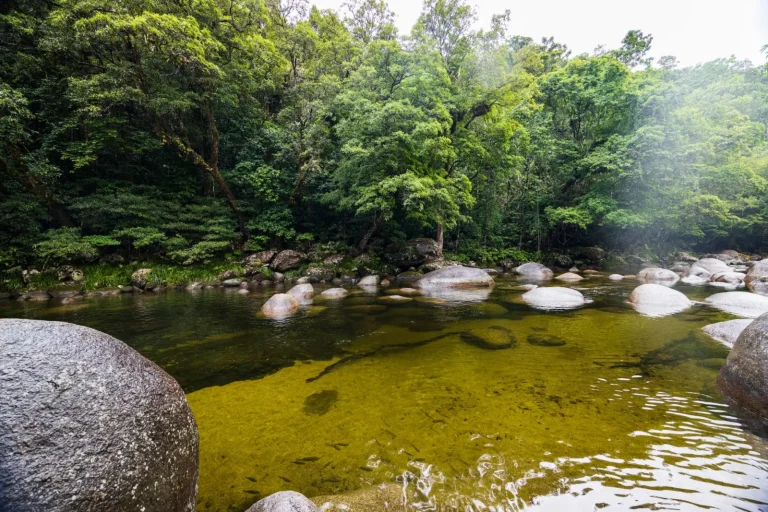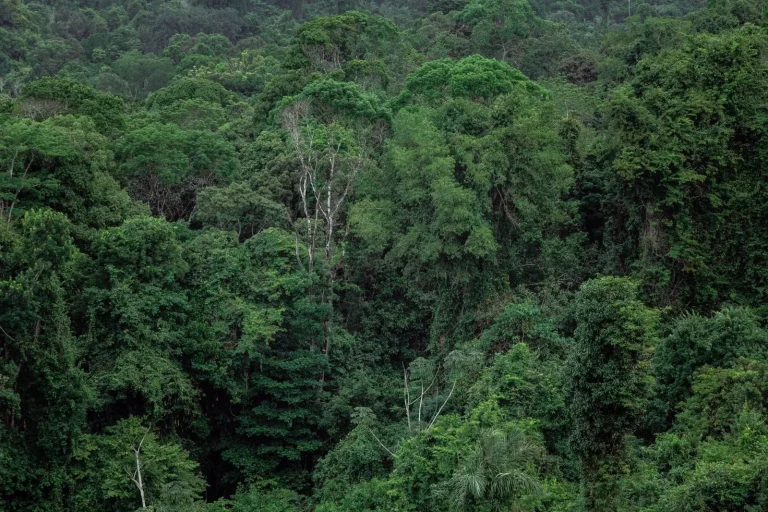

Spending time in Australian rainforests teaches you quickly that butterflies are not evenly distributed. You don’t simply walk into the forest and see them everywhere. They appear in pockets, often in response to light, moisture, and the specific plants flowering on any given week. After years of moving through these forests, I’ve learned that patience and timing matter far more than effort.
The rainforests along the eastern Australian coast – from the Daintree in far north Queensland down through the Border Ranges between Queensland and New South Wales – hold a remarkable diversity of butterfly species. Many of these insects are endemic, meaning they exist nowhere else on Earth. That fact alone changes how you move through the forest. You’re not just looking at butterflies; you’re looking at species that have evolved in isolation for millions of years within these specific patches of vegetation.
The Ulysses butterfly is the one most visitors hope to see. It’s large, electric blue, and unmistakable once you’ve spotted one. The reality, though, is that they’re not common in most rainforest areas. They prefer disturbed edges, open tracks, and areas where sunlight breaks through the canopy. If you’re walking quietly through dense primary forest, you’ll rarely encounter them. They’re more likely along cleared walking trails or near the forest boundary where light levels are higher. I’ve found that late morning, when the sun is higher and the air has warmed, is when they’re most active. The blue is so vivid it seems almost artificial against the green.
The species most people actually encounter
The Cairns Birdwing is another large, striking butterfly that inhabits the far north. The females are brown and white; the males are metallic green and gold. They’re powerful fliers, and you’ll often see them before you fully register what you’re looking at. They move differently than smaller butterflies – with purpose and speed. The caterpillars feed on Aristolochia vines, which grow in rainforest margins and disturbed areas. This means Birdwings tend to appear where the forest has been opened up, not in the deep interior.
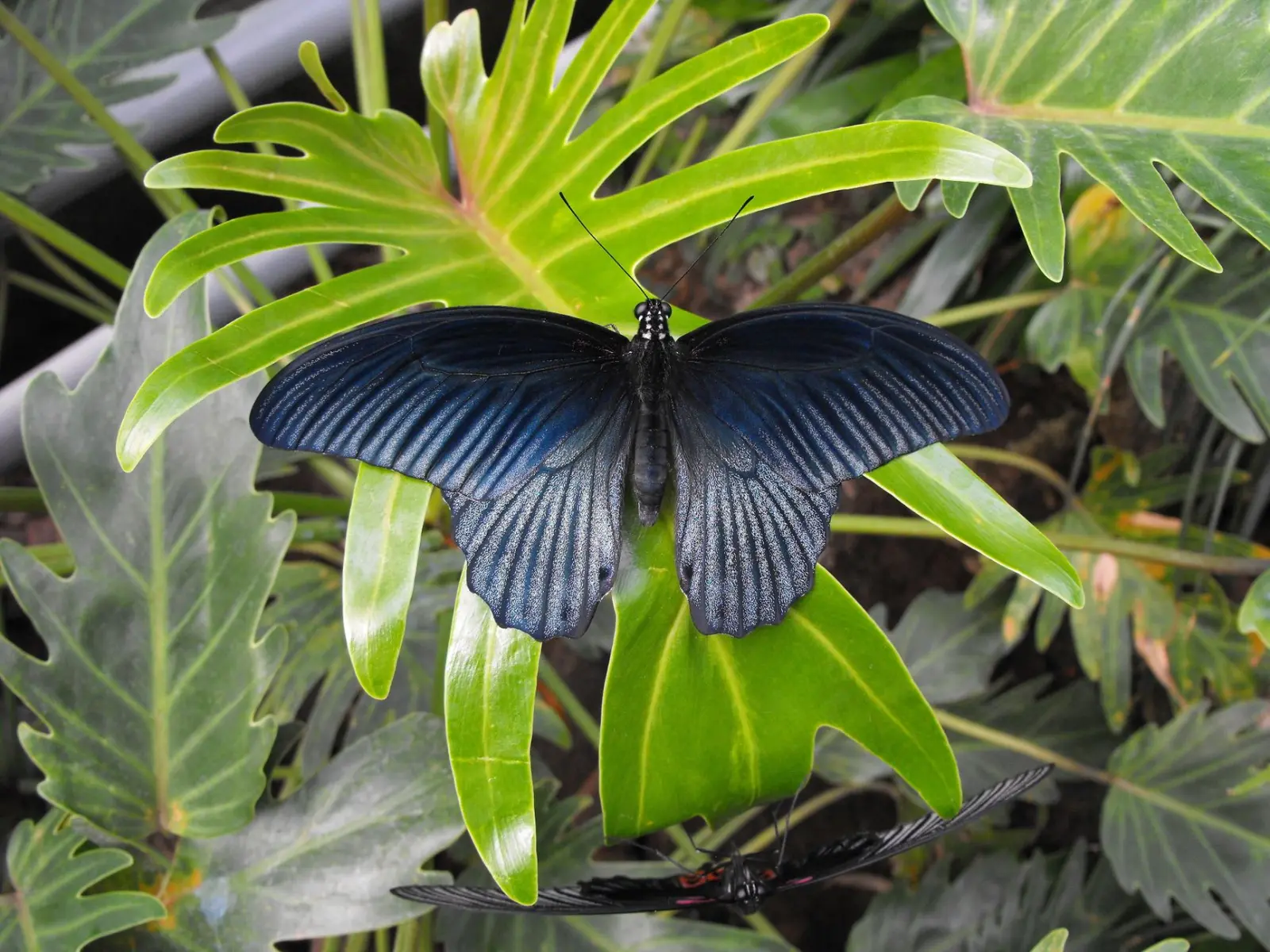
Far more common than either of these are the smaller species that most casual visitors overlook entirely. The various Papilio species – the swallowtails – are present year-round in most rainforests. They’re not as flashy as the Ulysses, but they’re reliable. The Papilio paris, or Paris Peacock, has dark wings with iridescent blue patches. The Papilio forbesi is smaller, predominantly black with white spots. These species tend to stay higher in the canopy, but they do come down to feed on flowering plants, particularly during the wetter months when blooms are abundant.
The Orchard Butterfly, or Papilio aegeus, is worth noting because it’s one of the most frequently sighted butterflies in rainforest areas. It’s black with white patches on the wings, and it’s large enough to catch your eye without being as dramatic as a Birdwing. The males are territorial and patrol regularly along the same routes, which means if you see one, you’re likely to see it again in the same spot over subsequent days. This behavior makes them predictable in a way that other species are not.
Seasonal patterns and what drives visibility
Butterfly activity in Australian rainforests is heavily seasonal. The wet season, roughly November through March, brings the most activity. Rainfall triggers flowering across the forest, and caterpillar food plants become abundant. This is when you’ll see the highest diversity and the most individuals. The dry season, May through September, is quieter. Many species are still present, but they’re less active, and flowering is reduced. If you’re planning a rainforest visit specifically to see butterflies, the wet season is substantially better.
Within the wet season, there are micro-patterns. After heavy rain, butterfly activity often drops for a day or two as the insects shelter. Then, as the sun returns and plants dry, there’s a surge of activity. The first few hours after rain clears tend to be productive. Humidity also matters. High humidity without rain can suppress activity, while moderate humidity with warmth and sunlight creates ideal conditions.
Time of day is critical. Early morning, from around 7 to 10 a.m., is generally most productive. The air is warming, the sun is lower, and butterflies are more active. Midday, particularly in the heat of the dry season, can be quiet. Late afternoon sometimes brings a second wave of activity, but it’s less reliable than morning. On overcast days, activity is typically suppressed throughout the day.
Where to actually look and what to expect
Walking through the forest randomly is inefficient. Butterflies concentrate in specific microhabitats. Forest edges, where trees have fallen and light floods in, are hotspots. Clearings and disturbed areas attract more species than deep, undisturbed forest. Flowering plants are obvious attractors, but you need to know which plants are currently in bloom, which varies by location and time of year. Local guides or visitor center staff can point you toward areas with active flowering.
Wet areas – creeks, seepage areas, muddy patches – attract butterflies looking for minerals and moisture. These spots are often overlooked by casual walkers, but they’re reliable places to find butterflies, particularly males. You might see dozens of small species congregating around a muddy bank. The species here tend to be less showy than the large swallowtails, but the sheer density can be striking.
The less common species require more specific knowledge. The Macleay’s Swallowtail, the Papilio maclayanus, is found in the far north but is not frequently encountered. The Regent Skipper, a small butterfly with distinctive markings, is present in some rainforest areas but is easily missed. The Marbled White-eye and various other small species are common but require closer observation to identify properly. A field guide specific to Australian butterflies is genuinely useful here, not just for identification but for understanding habitat preferences and seasonal timing.
I’ve noticed that visitors often expect butterflies to be more abundant than they actually are. Rainforests are visually dense, and butterflies, despite their color, can be surprisingly difficult to spot against the complex background of foliage and light. You’ll spend time looking and seeing nothing, then suddenly encounter a concentration of activity. This is normal. Persistence helps, but so does accepting that some visits will yield more sightings than others.
One practical point: if you’re photographing butterflies, movement matters. Quick approaches scare them away. Slow, deliberate movement, or simply standing still near flowering plants, is more effective. Many species will return to the same flower repeatedly, so patience at a single location often yields better results than constant walking.