
The rainforest drives around Cairns and the Daintree region are often presented as scenic detours, but they’re genuinely substantial journeys that demand proper planning. I’ve driven these routes dozens of times across different seasons, and the experience varies wildly depending on when you go, what you’re driving, and how much time you actually have. Most visitors arrive with vague ideas about “driving through the rainforest” without understanding the actual logistics – road conditions, fuel stops, walking access, and fatigue management matter far more than the Instagram potential of the landscape.
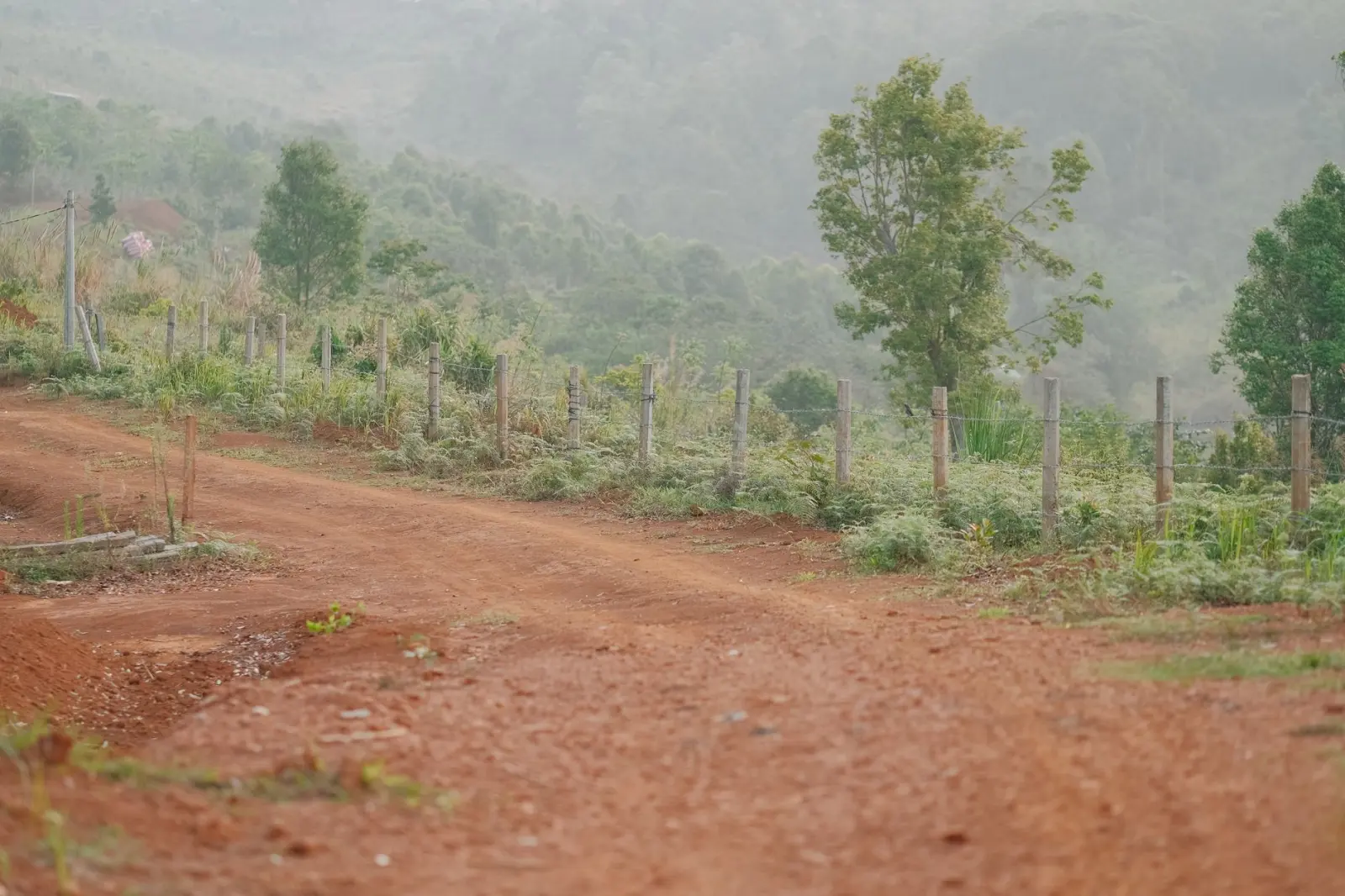
The Daintree Developmental Road is the most commonly attempted route, and it’s worth being direct about what it involves. This is a rough, unsealed track that winds through pristine rainforest for roughly 30 kilometres between the Daintree River ferry crossing and Cooktown. The drive takes between 45 minutes and two hours depending on conditions, vehicle type, and how often you stop. In the dry season (May to October), it’s manageable in a standard sedan, though you’ll feel every corrugation. In the wet season, it becomes genuinely challenging. I’ve seen rental cars get bogged in what looked like minor washouts, and the road surface can shift significantly after heavy rain. A high-clearance vehicle isn’t strictly necessary, but it makes a real difference to comfort and safety.
The Daintree Loop and Timing Reality
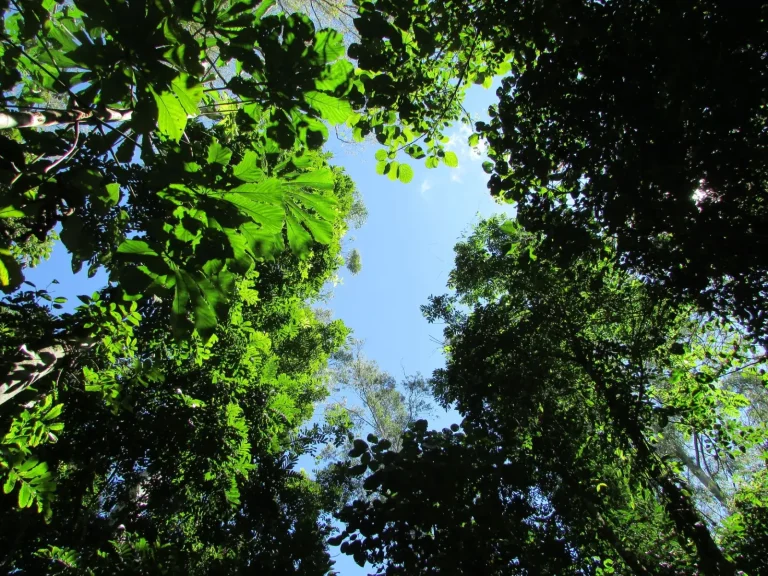
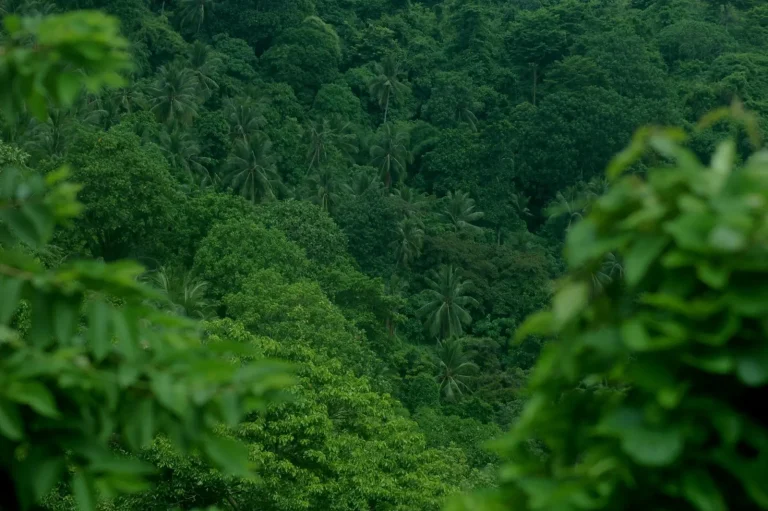
Most people underestimate how long a proper Daintree experience actually takes. The ferry crossing itself – from Cairns to the Daintree River – is about 30 kilometres and takes roughly 45 minutes. Then you’re facing the developmental road, plus time to stop at lookouts, walk short trails, and explore the small settlements like Cow Bay and Thornton Beach. A rushed version might be done in a day trip from Cairns, but you’ll spend most of that time driving and feel like you’ve barely scratched the surface. The reality is that the rainforest doesn’t reveal itself to hurried visitors. The canopy is dense, the light is filtered, and the wildlife is elusive. You need to sit with it, walk slowly, and listen.
The Mossman Gorge drive is shorter and more accessible, sitting between Cairns and Port Douglas. The gorge itself is spectacular – sheer rock walls, clear water, and genuinely old-growth rainforest. The drive to the gorge takes about 45 minutes from Cairns, and the gorge road itself is sealed and straightforward. What catches people out is parking and foot traffic. The main swimming area and walking tracks get crowded, especially mid-morning. If you’re going for solitude or photography, you need to arrive early or accept that you’ll be sharing the space with tour groups. The gorge walk itself is short – around 2.5 kilometres return – but the water is cold year-round, and the rocks are slippery even when they look dry.
Seasonal Variations and What They Actually Mean
The wet season in tropical North Queensland runs roughly November to April, and it fundamentally changes how these drives feel and function. Humidity is oppressive, roads can close without warning, and visibility drops. The Daintree Developmental Road becomes a genuine gamble – I’ve turned back on it during heavy downpours because the road was actively eroding. Landslides aren’t uncommon, and while they’re usually cleared quickly, you can lose hours waiting or be forced to take a long detour. The trade-off is that the rainforest is at its most vibrant, water is flowing everywhere, and the light has a particular quality that dry-season visits don’t capture.
The dry season is obviously more reliable for driving, but the rainforest itself is drier and less dramatic. The canopy feels thinner, water levels drop, and the whole landscape has a more dormant quality. Wildlife is actually easier to spot because animals congregate around remaining water sources, but the forest as a whole feels less alive. Neither season is objectively better – it depends on what you’re after and how much uncertainty you can tolerate.
Cape Tribulation and the Northern Extension
Cape Tribulation is the logical end point of the Daintree Developmental Road, and it’s worth the drive if you have the time. The cape itself is where the reef meets the rainforest, which is geographically significant but visually less dramatic than you might expect. The main appeal is the sense of remoteness and the walking tracks that head into the rainforest interior. The road from Cow Bay to Cape Tribulation is sealed and straightforward, about 35 kilometres. The settlement itself is small – a few cafes, accommodation, and tour operators – and it functions as a rest point rather than a destination in itself.
If you’re pushing further north toward Cooktown, the developmental road continues beyond Cape Tribulation and becomes progressively rougher. This is a serious undertaking – the road can be impassable in the wet, and there are long stretches with no services. I’ve done it in both directions, and it’s genuinely remote. The rainforest in this section is less visited and feels wilder, but you need to be self-sufficient, carry spare fuel, and have realistic expectations about road conditions.
Practical Realities for Different Vehicle Types
A standard sedan can handle the main sealed routes – Mossman Gorge, the Daintree River ferry, and the road to Cape Tribulation – without issue. The Daintree Developmental Road is where vehicle type matters. High-clearance vehicles and four-wheel drives are more comfortable and safer, particularly in the wet season or after rain. Rental companies often restrict where you can take standard vehicles, and those restrictions exist for good reasons. I’ve seen people in hired sedans get stuck on sections that looked passable, and recovery from the developmental road is expensive and time-consuming. If you’re committed to exploring properly, it’s worth upgrading to a vehicle with better clearance.
Fuel is another practical consideration that’s easy to overlook. There’s a fuel stop at Mossman, and another at Cow Bay, but gaps between them are significant. Cooktown has fuel, but it’s 90 kilometres from Cape Tribulation on rough road. Running low on fuel in this region isn’t a minor inconvenience – it limits your options and creates genuine stress. Always refuel when you see the opportunity, not when you need to.
The rainforest drives in tropical North Queensland work best when you abandon the idea of “ticking them off” and accept that they’re slow, demanding journeys through genuinely remote country. The landscape is rewarding, but only if you give it proper time and respect the practical constraints. Most people who struggle with these routes aren’t dealing with impossible conditions – they’re simply trying to move through them too quickly, with inadequate planning, and without understanding what the road actually demands.