
Australia’s rainforest lookouts occupy a strange middle ground in travel planning. They’re not remote enough to feel truly isolated, yet they’re often marketed as if they are. After spending considerable time moving between these vantage points – sometimes in weather that makes the climb feel less like a scenic walk and more like a test of resolve – I’ve learned which ones actually deliver what they promise and which ones leave you wondering why you bothered.
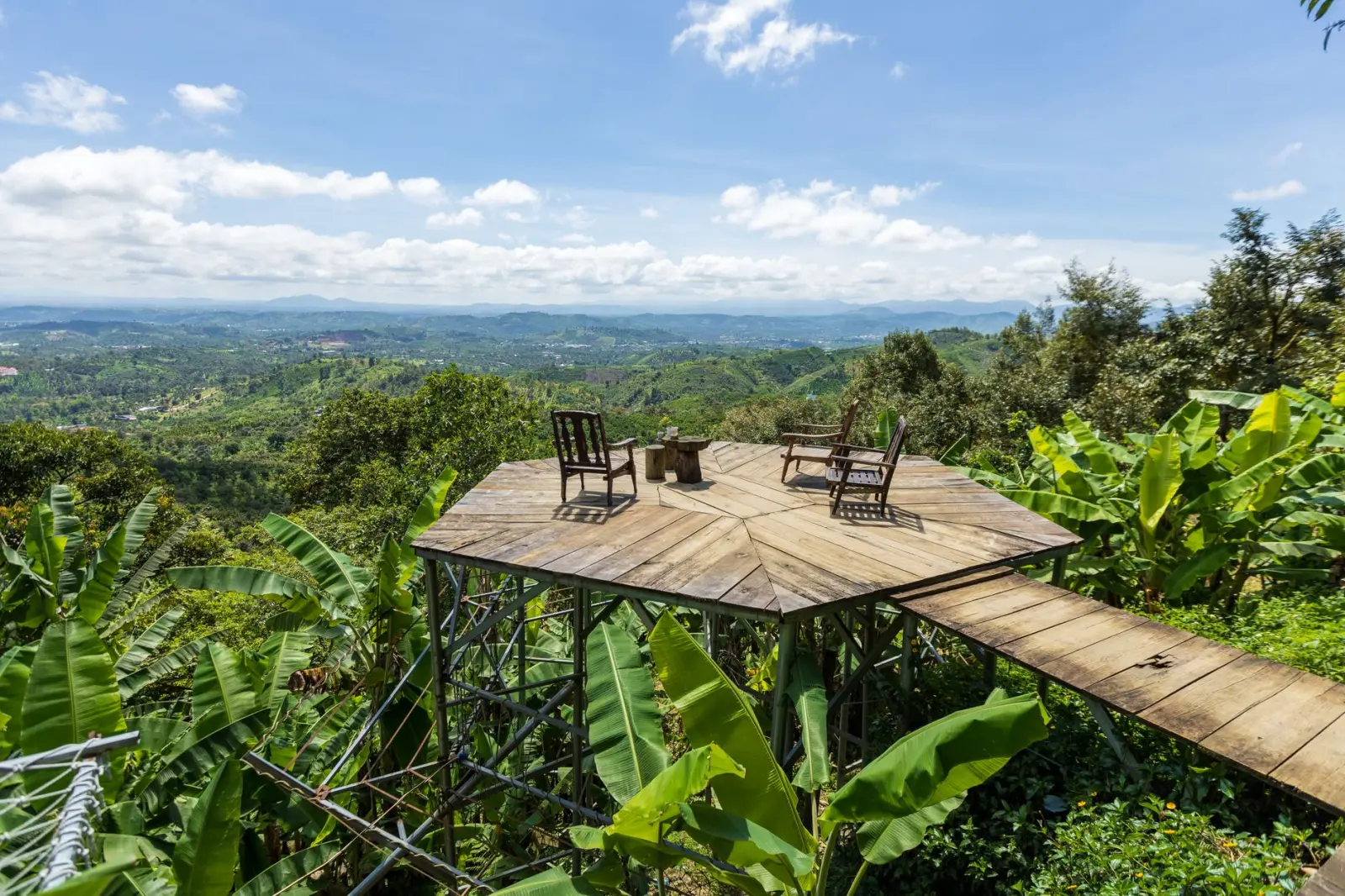
The first thing to understand is that Australian rainforest lookouts don’t work like Alpine viewpoints. You’re not climbing to a peak where air thins and views expand in all directions. Instead, you’re ascending through dense canopy to emerge at a platform or clearing where the forest reveals itself horizontally rather than vertically. This changes everything about how to approach them, when to visit, and what you’ll actually see.
Lamington National Park and the Subtropical Plateau
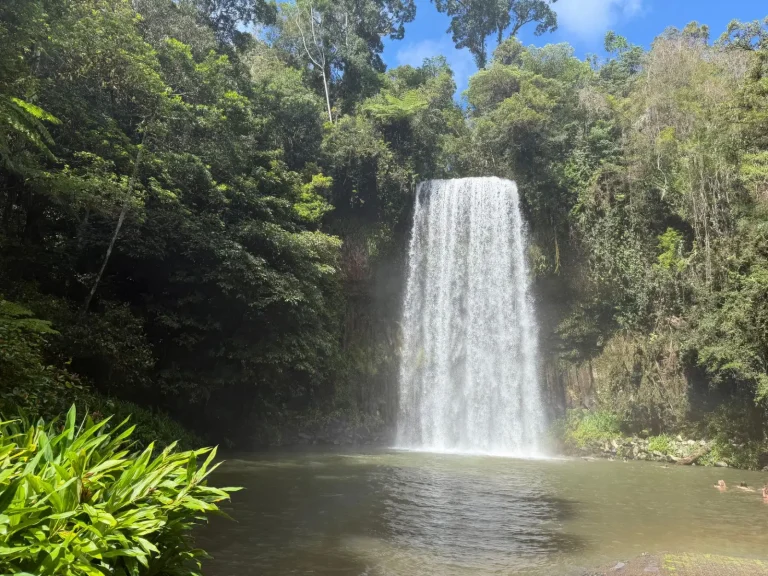
Lamington sits in Queensland’s Gold Coast hinterland, and it’s where I first understood the difference between a lookout that’s popular and one that’s genuinely worth visiting. The park contains dozens of named viewpoints, but most people cluster around the same three or four. The Coomera Falls lookout gets traffic all day because it’s accessible from the main lodge area and the walk is short enough that people with minimal fitness attempt it. The view is fine – you see the falls dropping into rainforest – but you’re rarely alone, and the platform itself gets slick in any moisture.
What works better is heading to the less-promoted eastern rim walks. These take longer, require better footwear, and demand more attention to timing. The Binna Burra to Green Mountains walk, for instance, moves through different forest layers and emerges at points where the canopy opens genuinely rather than by design. The payoff is that you see how the rainforest actually sits on the landscape rather than how it’s been framed for visitors. You also tend to encounter fewer people, which matters more than it sounds when you’re trying to photograph or simply sit quietly.
The practical reality of Lamington is that morning visits work better than afternoon ones. Cloud forms rapidly over the plateau, especially in warmer months, and by mid-afternoon many lookouts are obscured. I’ve made the mistake of timing visits around “golden hour” photography only to find myself looking at a white wall of mist. Early starts – before 8 a.m. – give you clear views and the forest sounds before the day heats up and insects become more aggressive.
The Daintree and Mossman Gorge Approach
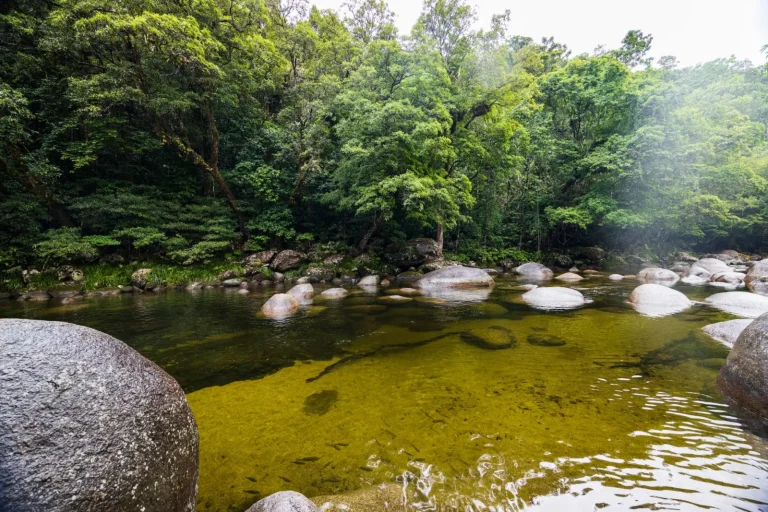
Daintree Rainforest in Far North Queensland operates at a different scale entirely. It’s older, denser, and the lookouts feel less constructed. Most visitors go to the Mossman Gorge visitor area, which is accessible, well-maintained, and genuinely impressive. The gorge itself is worth the short walk, and the water is cold enough to be refreshing without being shocking. But this is also where the crowds concentrate, particularly between 10 a.m. and 3 p.m.
The Daintree Discovery Centre sits above the main rainforest and offers elevated views through a series of platforms and walkways. It’s not a strenuous climb, but it’s also not a casual stroll. The value here is that you move through canopy layers rather than above them, so you get a sense of how the forest is structured. The fee is reasonable, and the facility is genuinely educational without being patronizing. I’ve found that visiting on weekdays, or early on weekends, makes a significant difference to the experience.
What often gets overlooked in the Daintree region is the drive itself. The road to Cape Tribulation passes through sections of forest that are as impressive as the formal lookouts. There are several pull-offs where you can stop, and these tend to be empty. The Dubuji Boardwalk, a bit further north, offers rainforest immersion without the visitor infrastructure. It’s quieter, the boardwalk is well-maintained, and the forest feels less curated.
Atherton Tablelands and Crater Lakes
The Atherton Tablelands lookouts work differently because they’re set on elevated agricultural land looking out over rainforest rather than within it. The Curtain Fig Tree area, while technically not a lookout in the traditional sense, offers forest immersion that’s hard to find elsewhere. The tree itself is worth seeing, and the surrounding walks take you through different forest types.
The actual lookouts in this region – places like the viewpoint at Crater Lakes National Park – sit at the edge of volcanic depressions filled with rainforest. The view is of the crater rim and the forest canopy below. These aren’t as visually dramatic as some of the coastal rainforest lookouts, but they offer something different: a sense of geological time and forest succession. The walks are generally easier, the infrastructure is minimal, and you’re more likely to encounter birdlife.
Timing matters here too, but for different reasons. The Tablelands sit at altitude, and weather can change rapidly. Morning fog is common, and it can either enhance or obscure views depending on how thick it is. I’ve had visits where the fog created an almost ethereal quality, with the forest emerging and disappearing in layers. Other times, it’s simply rendered the lookout pointless. There’s no way to predict this reliably, so flexibility helps.
The Reality of Rainforest Viewing
One thing that becomes clear after visiting multiple rainforest lookouts is that the experience is highly dependent on conditions you can’t fully control. Light quality, humidity, cloud cover, and wildlife activity all shift throughout the day and across seasons. A lookout that’s spectacular in early morning might be completely obscured by afternoon. The same walk in dry season feels entirely different from wet season.
Physical condition matters more than most people anticipate. Many rainforest lookouts require sustained walking on uneven terrain, often with significant elevation gain. The walks aren’t technically difficult, but they’re relentless. I’ve seen people turn back halfway through walks they thought would be easy, not because of the distance but because of the sustained incline and the humidity. Proper footwear – shoes with real grip, not casual sneakers – makes a measurable difference on wet boardwalks and muddy sections.
The insects and wildlife are worth acknowledging. Mosquitoes, leeches in wet season, and various biting insects are part of the rainforest environment. They’re not a reason to avoid these places, but they’re worth preparing for. Light, loose clothing helps, as does insect repellent, though neither is a complete solution. The wildlife – birds, occasional reptiles, small mammals – tends to be more active in early morning and late afternoon, which aligns with the best viewing windows anyway.
Weather preparation is essential. Rainforest means moisture, and moisture means slippery surfaces. Even on days that don’t look rainy, boardwalks and rock surfaces can be treacherous. I’ve seen people slip on what appeared to be dry wood simply because of the algae and moisture content. Proper footwear, a walking pole if you’re less confident on uneven ground, and realistic expectations about pace all matter.
After multiple visits to these places, I’ve found that the best rainforest lookout experiences come from visiting early, moving slowly, and accepting that you might not see what you expected to see. The forest reveals itself on its own terms, not on yours. The lookouts that have stayed with me aren’t always the ones with the most dramatic views – they’re the ones where I was patient enough to let the place work on me rather than trying to extract a specific experience from it.