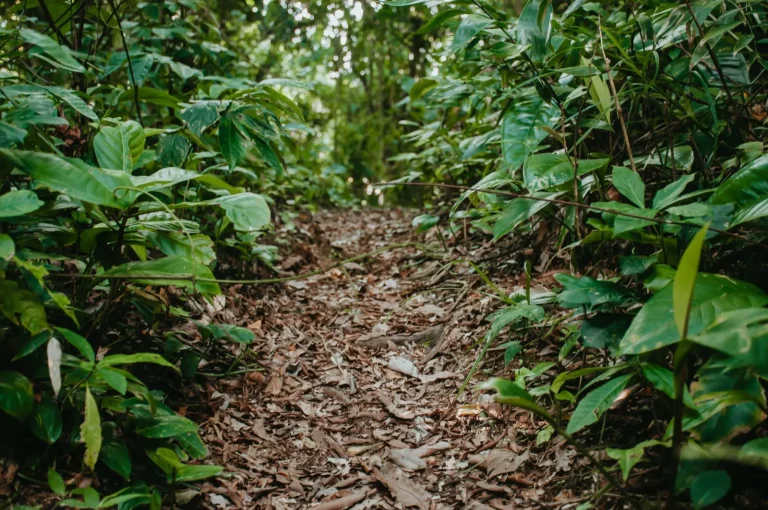

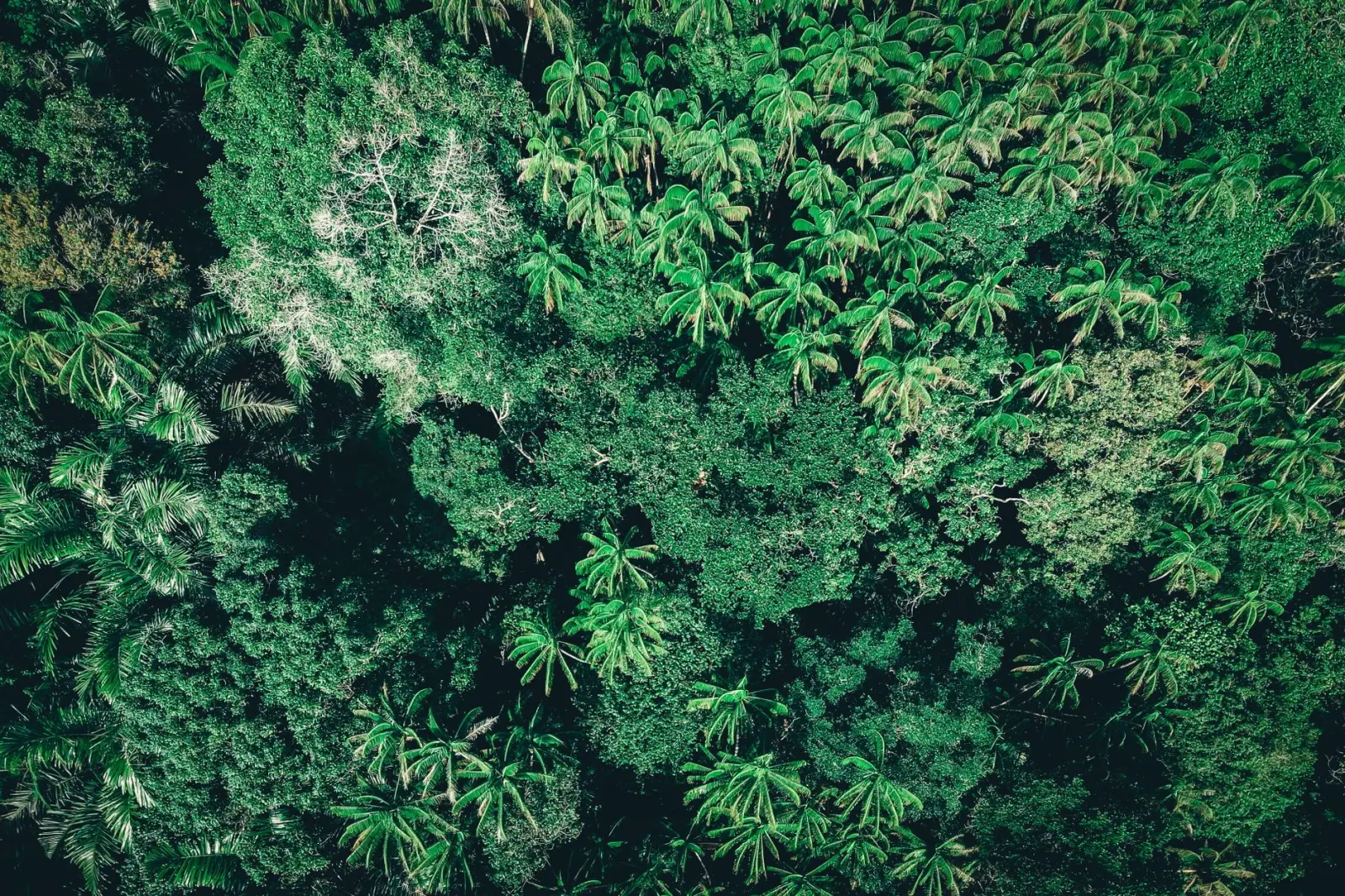
The Daintree rainforest doesn’t announce itself. You walk into it, and the noise – or rather, the sudden absence of familiar noise – hits first. The canopy closes overhead, light fragments into green, and the air thickens with humidity and the smell of decomposition. After spending considerable time moving through these trails, I’ve learned that wildlife spotting here isn’t about finding animals. It’s about understanding where they are, when they move, and what you’re actually capable of seeing given the forest’s density.
Most people arrive expecting to see things. They’ve watched documentaries. They’ve seen photographs of cassowaries and tree snakes. What they don’t account for is that the Daintree is thick. Visibility on many trails rarely exceeds 20 metres, and that’s on a clear day. The animals that live here have evolved in this density. They’re not interested in being obvious. A large portion of your time on these trails will be spent walking through forest where nothing visible is moving, even though life is everywhere.
The most common large animal you’ll encounter is the cassowary, and I should be direct: you probably won’t see one on a casual walk. The southern cassowary population in the Daintree is stable but not abundant. They move through the forest in predictable patterns, but those patterns don’t necessarily intersect with where tourists walk. When they do appear, it’s usually early morning or late afternoon, and usually near fruit-bearing trees. If you do see one, the experience is genuinely striking. They’re tall, dark, and built like nothing else in Australia. The distinctive blue and black head is unmistakable. But the encounter is usually brief – a few seconds before the bird moves deeper into the forest.
What You’ll Actually Encounter
Smaller reptiles are far more reliable. Skinks are everywhere. You’ll see them crossing trails, basking on fallen logs, and disappearing into leaf litter. The blue-tailed skink is common, identifiable by exactly what its name suggests. There are also various dragon species, though they’re less conspicuous than skinks. Goannas appear occasionally, usually on the ground, moving with surprising speed for their size. They’re not aggressive, but they’re alert, and they’ll vanish quickly if you approach.
Tree snakes are present throughout the Daintree, and this is where the forest’s density becomes relevant. You could walk past dozens of snakes without seeing them because they’re draped across branches above your head, perfectly camouflaged against the canopy. The most common species are non-venomous, but the green python does live here, and it’s genuinely dangerous. I’ve seen one exactly twice in years of walking these trails. Both times it was coiled on a low branch, exactly where a careless hand might reach. The risk is real but statistically low if you maintain awareness. Don’t reach blindly into vegetation, and you’ll almost certainly be fine.
Birds are constant. The Daintree is home to numerous endemic and near-endemic species. Bowerbirds are common, and you’ll hear them far more often than you see them. Their calls are distinctive – loud, complex, and often surprising in their volume given the bird’s modest size. Fruit doves move through the canopy, and if you’re patient and quiet, you might spot their soft colours moving among the fruiting trees. Kookaburras and other common Australian birds are present but less distinctive in this setting. The real prize birds – the Cairns bowerbird, the Victoria’s riflebird – are present but require patience, timing, and often luck.
Timing and Movement Patterns
Wildlife activity in the Daintree follows predictable patterns that most casual visitors miss. The forest is most active in the early morning, roughly from first light until around 8 or 9 AM. After that, many animals retreat deeper into the forest or rest in the canopy. Late afternoon, from around 4 PM onward, sees another period of activity. Midday is quiet. The heat builds, humidity peaks, and the forest feels almost empty. This isn’t because nothing is present – it’s because the animals are resting in cooler, deeper parts of the forest.
Walking slowly is more effective than walking far. A two-kilometre walk at a measured pace, with frequent stops, will yield more observations than five kilometres of steady movement. When you stop, stand quietly for two or three minutes. Your presence becomes normal to the forest. Birds resume calling. Small movements in the leaf litter become visible. Animals that initially froze when you approached will resume their behaviour. This is when you see things – not while moving, but in the gaps between movement.
Rain changes everything. Heavy rain drives most visible wildlife deeper into shelter. But light rain or the period immediately after rain can be productive. The forest smells different, the light changes, and animals emerge to feed. I’ve seen more cassowaries and other large animals in the hour after light rain than in weeks of dry conditions. The trails become slippery, visibility decreases, and your pace slows naturally. This slower pace is actually beneficial for observation, even though the conditions feel less ideal.
What Remains Invisible
A significant portion of Daintree wildlife is nocturnal or crepuscular. Possums, gliders, sugar gliders, and various frog species are active at night or during twilight. You won’t see them on a daytime walk. Some trails do offer night walks, and these are genuinely worthwhile if you’re interested in a different perspective on the forest. The nocturnal ecosystem is active and complex, and it operates in parallel to what you see during the day. If you’re only walking during daylight, you’re only seeing part of the story.
Insects are everywhere and largely overlooked. Butterflies, beetles, ants, and spiders represent the vast majority of animal biomass in the rainforest. They’re not charismatic, and most visitors don’t register them. But if you look closely – at fallen logs, at the undersides of leaves, at the bark of trees – you’ll see extraordinary diversity. Stick insects can be surprisingly large and visible once you know what to look for. Spiders, particularly the huntsman species, are common and generally harmless. The forest’s actual wildlife community is dominated by these small creatures, not by the large animals people come hoping to see.
Amphibians are present but cryptic. Frogs are vocal, especially after rain, but seeing them is different from hearing them. They’re small, well-camouflaged, and often hidden in vegetation or water. If you’re interested in frogs specifically, you need to search actively – checking around water sources, listening carefully to locate calling individuals, and looking in damp leaf litter. A casual walk won’t reveal much frog activity, even though the forest is home to numerous species.
Practical Reality on the Trails
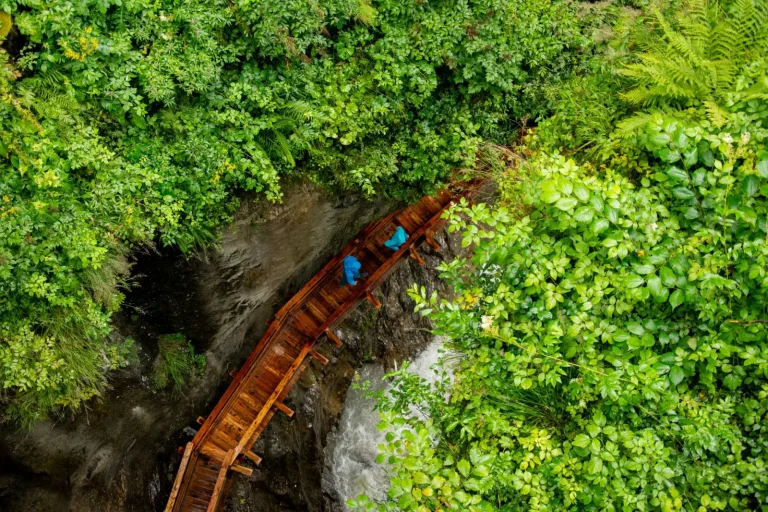
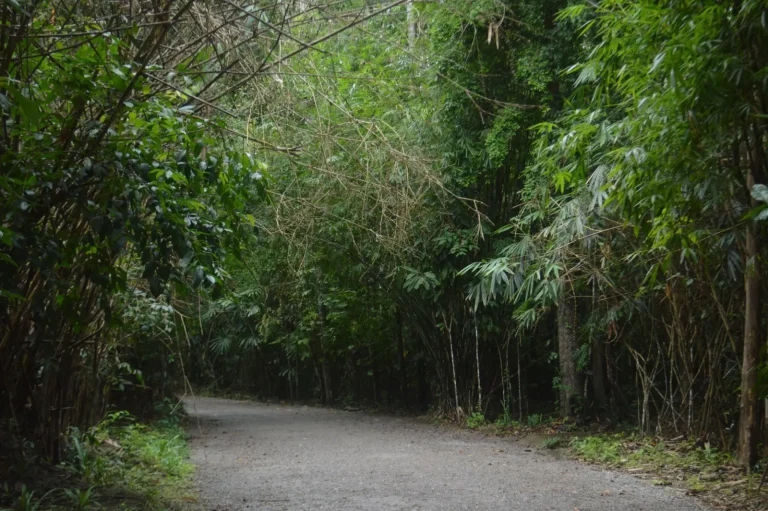
The Daintree’s most popular trails – Mossman Gorge, the Marrdja Boardwalk – are well-maintained and heavily used. This means wildlife is less abundant near the trail itself. Animals learn that trails mean people, and they adjust their behaviour accordingly. If you want more wildlife encounters, you need to either walk less popular trails or walk the popular ones at times when fewer people are present. Early morning, before most tour groups start, is significantly more productive than mid-morning.
Physical fatigue affects observation ability more than people realise. If you’re struggling with the humidity, the uneven ground, or the constant slight incline, your attention narrows. You focus on where your feet are, on your breathing, on managing discomfort. You miss things. The forest is humid, the trails can be muddy or slippery, and the constant temperature and moisture create fatigue that’s different from walking in a temperate climate. If you want to observe wildlife, you need to be physically comfortable enough to actually pay attention. This might mean shorter walks, or walks at a slower pace, than you’d normally do.
Guides make a measurable difference. A good guide knows where animals are likely to be, what time of day is productive, and what to look for. They have the experience to spot movement in dense vegetation that an untrained eye would miss. They know which trails are currently active and which are quiet. If wildlife observation is your primary goal, investing in a guided walk is practical, not indulgent. The difference between walking alone and walking with someone who knows the forest is significant.
The Daintree will show you what it wants to show you, on its schedule, not yours. Some visits yield remarkable encounters. Others are quiet. This isn’t failure – it’s the reality of moving through a complex ecosystem where you’re a visitor, not a resident. The value of these trails isn’t always in what you see. It’s in moving through an ancient forest, understanding its density and complexity, and recognising that most of what’s happening around you is invisible.