
The rainforests of tropical North Queensland hold a particular intensity when it comes to bird activity. After spending considerable time moving through these forests – whether on foot, by vehicle, or stationary at observation points – you begin to notice patterns that don’t appear in field guides or online species lists. The birds here aren’t randomly distributed. They respond to time of day, weather patterns, fruiting cycles, and the presence of other species in ways that become predictable once you’ve watched them across seasons.
What strikes most people initially is the sheer noise. The soundscape of a North Queensland rainforest can be overwhelming. Multiple species vocalize simultaneously, creating a wall of sound that makes individual identification difficult for newcomers. The reality is that you learn to filter this noise over time. You stop trying to identify every call and instead recognize patterns – the aggressive chatter of kookaburras at dawn, the sustained calls of various honeyeaters mid-morning, the sudden silence that often precedes a change in weather or predator movement.
The physical demands of rainforest birdwatching in this region are often underestimated. The terrain is steep, wet, and unforgiving. Visibility is frequently limited to 20 or 30 meters, even in relatively open sections. Many of the birds you’ll encounter spend most of their time in the canopy, which means you’re often looking up through dense foliage, squinting against dappled light. Early morning is essential – not because it’s romantic, but because light penetration is better and bird activity peaks before the heat of the day sets in. By mid-afternoon, movement slows considerably.
The Common Species and Their Habits
Several species are reliably present across the rainforest zones of Far North Queensland. The Wompoo Fruit-Dove is perhaps the most frequently encountered, though “encountered” often means hearing its distinctive call before seeing the bird itself. These pigeons are heavily dependent on fruiting cycles. When native fruits are abundant, they’re vocal and visible. When fruit is scarce, they become quiet and dispersed, sometimes moving considerable distances. This variability is important to understand because it explains why the same forest can feel bird-rich one month and almost silent the next.
Rainforest kingfishers – particularly the Azure Kingfisher and the Little Kingfisher – are present year-round but their visibility depends entirely on water levels and stream conditions. In the wet season, when streams are swollen and turbid, they become harder to locate. The water is too murky for them to hunt effectively, so they often move to clearer tributary streams or temporary pools. I’ve spent hours searching specific stream sections in the dry season only to find them absent, then encountered them readily in adjacent areas during the wet season.
The various honeyeater species – Macleay’s, Yellow-spotted, Graceful, and others – are territorial and vocal, which makes them relatively easy to track once you understand their preferred feeding areas. They follow the flowering patterns of rainforest plants with remarkable precision. When particular trees are in bloom, honeyeaters concentrate in those areas. Understanding which plants flower when, across the year, gives you a significant advantage in predicting where to find these birds.
Canopy Birds and the Challenge of Visibility
The upper canopy holds species that many visitors never see, despite spending days in the forest. The Tooth-billed Catbird, for instance, is common but spends most of its time 20 meters or more above the ground, moving through the dense foliage of the tallest trees. You hear them far more often than you see them. Their distinctive call – a loud, harsh sound – carries through the forest, but the bird itself remains hidden. Patience and binoculars are essential, but even with both, sightings remain unpredictable.
Bower birds operate differently. The Spotted Bowerbird and the Great Bowerbird are present in the region, and they’re surprisingly approachable if you locate their bowers. These are fixed structures, and once you find one, you can return to it repeatedly. The birds maintain them obsessively, and they’re often found in the same general location across years. However, finding a bower requires either luck or local knowledge. They’re not marked on maps, and they blend into the forest floor more effectively than you’d expect.
Seasonal Movements and Breeding Patterns
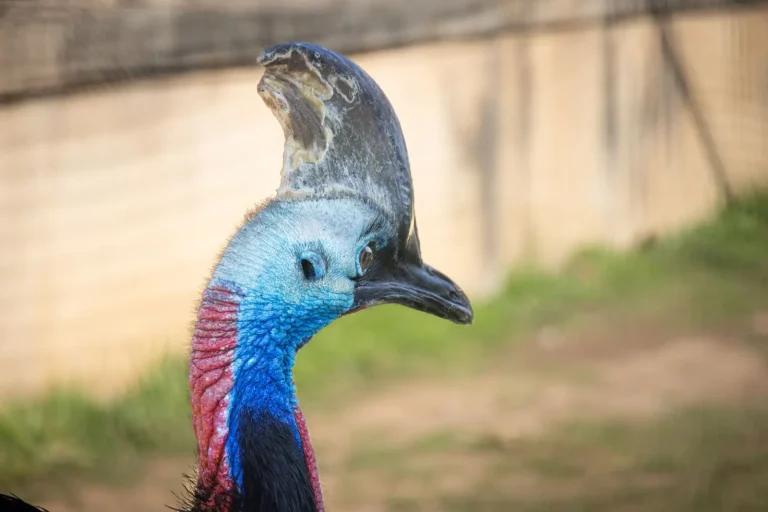
The dry season, roughly May through September, brings noticeable changes in bird behavior and composition. Some species become more vocal as breeding season approaches. Others become less visible as they settle into breeding territories and reduce their movement. The Cassowary, while not strictly a rainforest bird in the sense of canopy species, is more active and visible during the drier months when fruit availability forces them into more predictable patterns of movement.
Wet season birdwatching is fundamentally different. The heavy rainfall creates conditions that challenge both birds and observers. Visibility deteriorates. Many birds reduce their activity during heavy downpours. However, the wet season also brings an influx of migratory species and triggers breeding activity in numerous residents. The forest is more alive in terms of overall activity, but capturing that activity visually becomes more difficult.
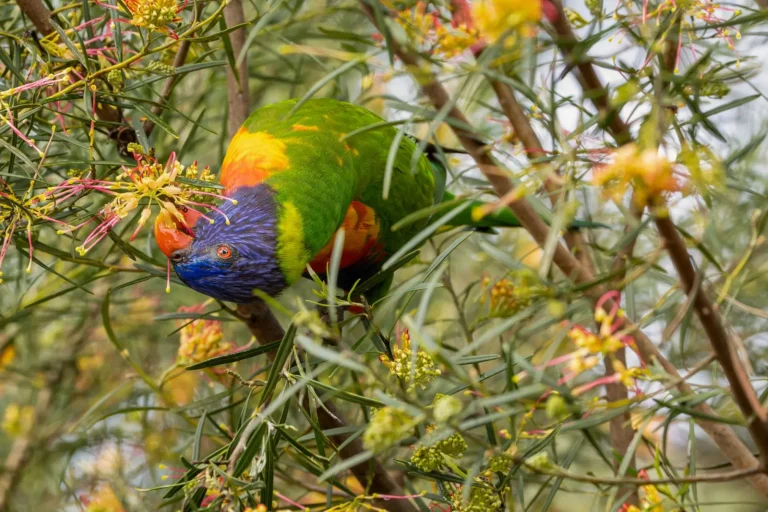
One observation that consistently holds true: the birds that are easiest to see are often not the most interesting. The Rainbow Lorikeets, the White-headed Pigeons, the various cockatoos – these are visible, loud, and unmissable. They’re the birds that appear in photographs and on postcards. The species that occupy the attention of anyone seriously interested in rainforest avifauna are often the quieter, more cryptic residents that require sustained observation to locate and identify.
Practical Realities of Rainforest Observation
Sound recording equipment can be valuable in this environment, not for creating documentation but for learning. Recording calls and then playing them back later, matched against known species recordings, accelerates the learning process significantly. It removes the pressure of identifying birds in real-time while they’re moving and calling simultaneously. This is particularly useful for the numerous small, brown species that are visually similar but vocally distinct.
The insects and weather conditions often dictate observation success more than bird distribution. Leeches are present year-round but particularly active in the wet season. Mosquitoes and march flies can make extended observation uncomfortable or impossible. Humidity and heat in the wet season create fatigue that affects your ability to maintain focus and move effectively through the terrain. These aren’t minor inconveniences – they’re limiting factors that determine whether you’ll spend three hours or thirty minutes in the forest on any given day.
Local guides vary enormously in quality and knowledge. Some have spent decades in specific rainforest sections and know individual birds and their territories. Others are simply trained to point out common species and move tourists through predetermined routes. The difference in what you’ll observe is substantial. A guide who understands the forest’s seasonal patterns and the behavioral quirks of specific species will show you far more than someone following a script.
The rainforests of North Queensland support a genuinely remarkable assemblage of birds, but seeing them requires more than simply walking into the forest with binoculars. It requires understanding that these birds operate within constraints of food availability, breeding cycles, weather, and predation pressure. It requires patience, repeated visits to the same locations, and a willingness to spend time simply listening and watching without expecting constant visual rewards. The birds are there. Encountering them consistently is a matter of aligning your presence with their behavior patterns and accepting that some days will yield sightings and others will not.