
Barron Gorge sits in Far North Queensland, and the wildlife there operates on rhythms that don’t always align with visitor expectations. Over years of moving through the park, I’ve learned that what you see depends heavily on season, time of day, and how much patience you’re willing to invest. The gorge itself – carved through rainforest – creates microclimates that concentrate certain species in predictable locations, but only if you know where to look and when.
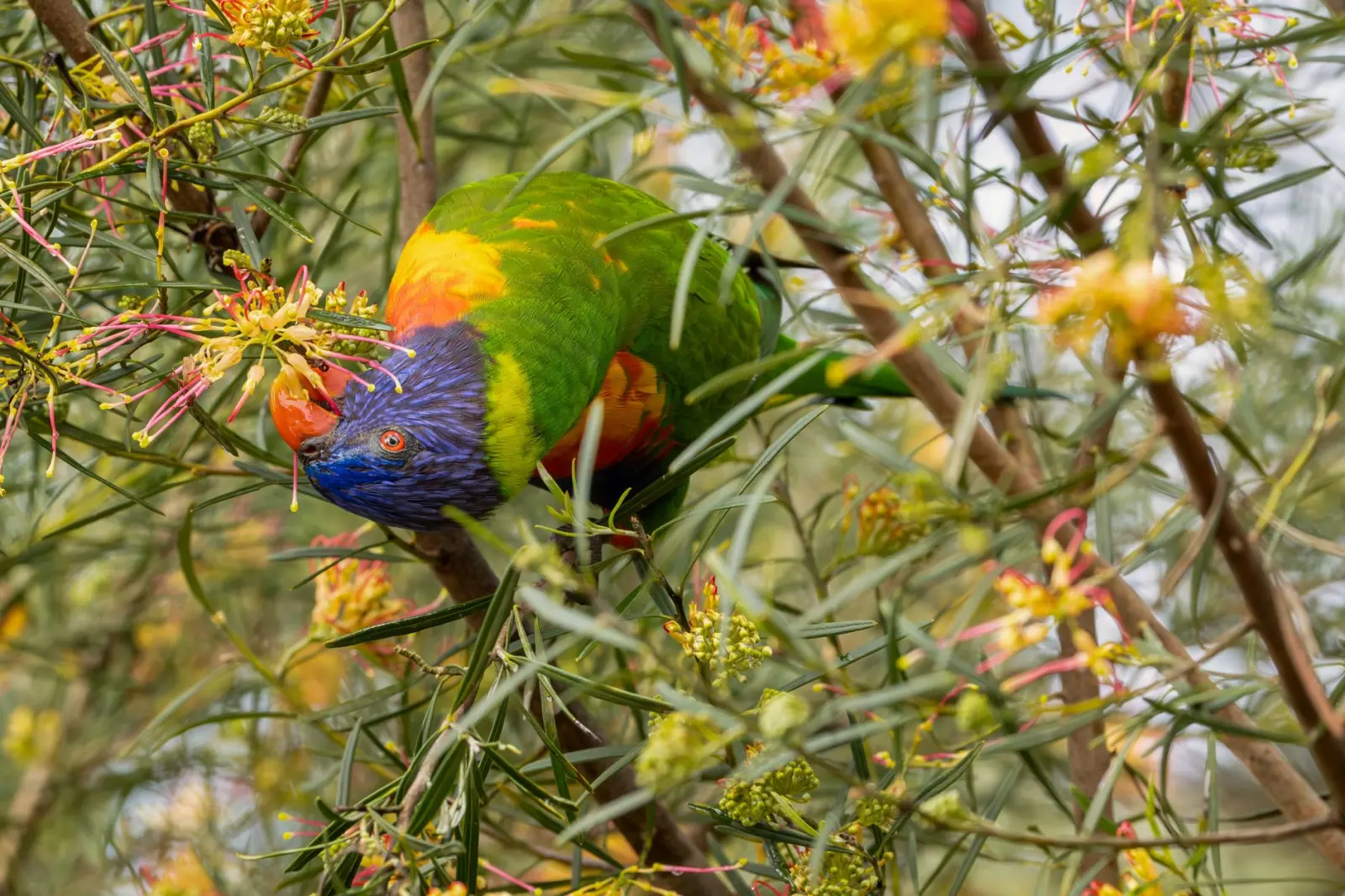
The bird life is what most people notice first, and for good reason. The diversity is genuine, not exaggerated. You’ll encounter rainbow lorikeets in noisy flocks, especially in the early morning and late afternoon when they’re feeding. Kookaburras are present year-round, their calls marking territory throughout the day. But the birds that matter most to serious observers are the ones that require stillness: the azure kingfisher along the creek, the white-bellied sea eagle if you’re lucky enough to be there when one passes overhead, the various honeyeaters that shift with flowering patterns in the understory.
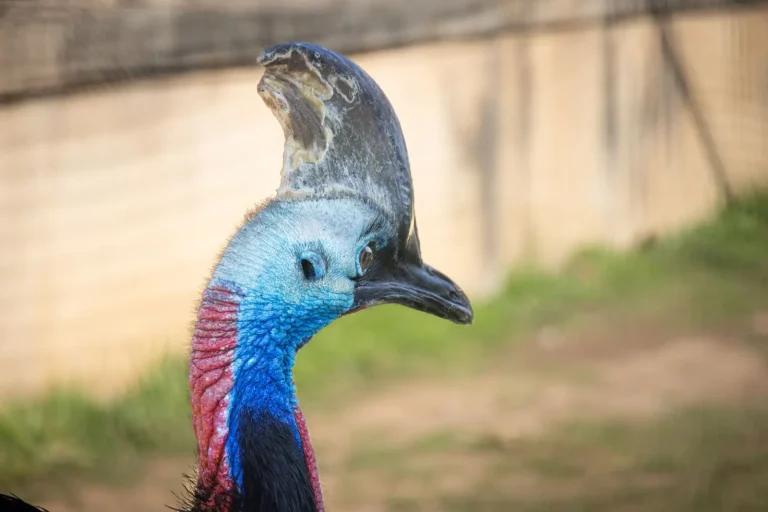
What catches people off guard is how little you see if you’re moving. The gorge is not a place where wildlife announces itself to someone walking at a normal pace. I’ve watched visitors hurry through sections where a cassowary had been spotted the day before, seeing nothing. The birds and larger animals here respond to movement and noise. Stopping for 15 or 20 minutes in a single location often yields more sightings than an hour of walking.
Reptiles and the Wet Season Pattern
The reptile population shifts noticeably with rainfall. During the dry season – roughly May through September – snakes, goannas, and smaller lizards are less active and harder to encounter. Once the wet season arrives, the humidity and prey availability change everything. Water pythons become more visible around the creek systems. Freshwater crocodiles inhabit deeper pools, though encounters are rare because they tend to avoid areas with human activity. The smaller reptiles – various skink species, blue-tongued lizards – emerge more frequently as the forest floor becomes more active.
The saltwater crocodiles that inhabit some Queensland waterways don’t typically range this far inland, but the freshwater species are present in deeper sections of the gorge. I’ve never seen one during casual visits, which is the norm. They’re there, but they’re not a feature of most people’s experience. The real reptile encounters tend to be incidental: a python crossing the path at dusk, a large goanna disappearing into the scrub when you round a bend.
Mammals: Present but Elusive
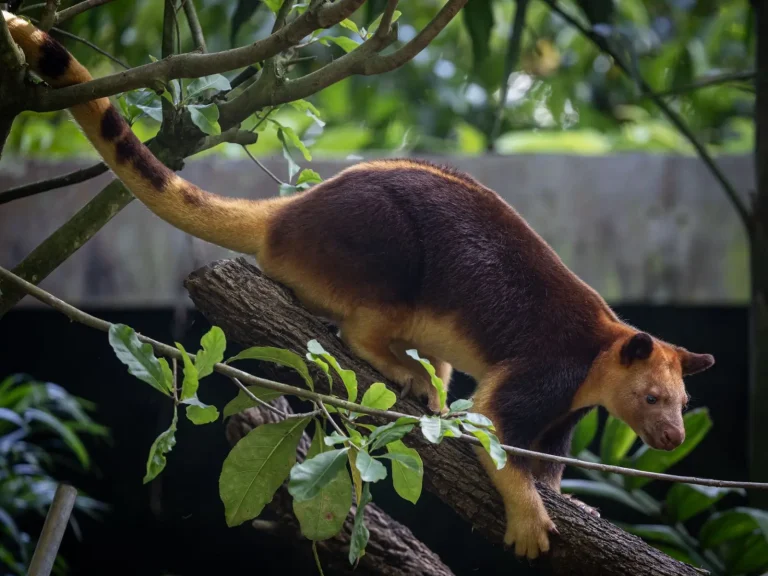
Mammal sightings require either luck or deliberate nocturnal effort. The common brushtail possum is present throughout the gorge and more active at night. Fruit bats roost in the canopy, and their presence is usually confirmed by sound and smell rather than sight. Wallabies and pademelons move through the understory, particularly in early morning and dusk, but they’re quick to move away from trails. I’ve spent many early mornings in the gorge without seeing a single mammal, then encountered a small mob of wallabies on a quieter side track at the right time.
Dingoes are present in the broader region, though sightings within the gorge itself are uncommon. The park’s proximity to human settlement and regular visitor traffic keeps most larger mammals at a distance. This is worth understanding: Barron Gorge is not a wilderness where you’ll casually encounter large fauna. It’s a managed park where wildlife has learned to be cautious around people.
Seasonal Shifts and What Changes
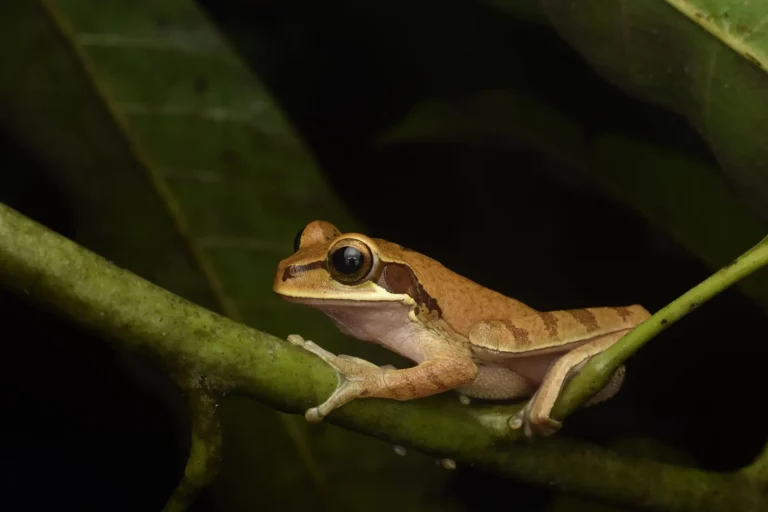
The wet season brings different species into prominence. Frogs become vocal and visible, particularly around dusk and after rain. The insect life explodes, which in turn affects bird behavior and feeding patterns. Certain bird species are seasonal migrants, present only during specific months. The azure kingfisher, for instance, is more reliably spotted during the wetter months when water levels are higher and prey is more abundant.
The dry season compresses wildlife activity. Animals congregate around permanent water sources, which can actually make them more predictable if you know where those sources are. The creek system running through the gorge becomes a focal point. Birdwatching is often better in the dry season because the vegetation is less dense and visibility improves, though overall animal activity may be lower.
What Actually Matters for Observation
Time of day is more important than most visitors realize. The first two hours after dawn and the last two hours before dusk are when most activity occurs. Midday is quiet. Night brings entirely different fauna, though visiting after dark requires caution and proper preparation. The gorge is not lit, and the terrain is uneven.
Sound is often more informative than sight. Learning to identify calls – the kookaburra’s laugh, the various honeyeater songs, the territorial calls of different bird species – gives you a much richer sense of what’s present. I’ve been in sections of the gorge where I couldn’t see more than a few meters due to vegetation density, but the soundscape told me exactly which species were active.
The creek itself is worth specific attention. This is where water-dependent species concentrate. Kingfishers hunt here, water dragons bask on rocks, and the insect life supports the entire food chain. Spending time sitting quietly near the water – particularly in early morning – is the most reliable way to see wildlife that matters.
Weather affects everything. A hot, dry day sees less activity than an overcast morning. Rain brings out different species. Wind can push birds into sheltered areas of the gorge. These conditions matter more than the calendar date.
Barron Gorge’s wildlife is real and diverse, but it rewards patience and understanding over expectation. The animals here have adapted to a managed environment with regular human presence. They’re not hiding, but they’re not performing either. What you encounter depends on how you move through the space, when you choose to be there, and how much time you’re willing to spend simply observing rather than collecting sightings.