
The question of when to visit the rainforests of tropical North Queensland rarely has a clean answer. After years of moving through these forests across different seasons, I’ve found that the choice between wet and dry depends less on what tourism marketing suggests and more on what you’re actually willing to endure and what you hope to experience.
The dry season – roughly May through October – carries an almost mythical reputation as the “best” time to visit. The appeal is straightforward: lower humidity, fewer insects, reliable access to trails, and predictable weather windows. But this reputation has consequences. The dry season brings crowds, higher accommodation prices, and a rainforest that has been shaped by months without significant rainfall. The forest floor is drier, water levels in creeks drop noticeably, and the lushness that defines a tropical rainforest becomes more muted. Visibility improves, certainly, but so does the sense that you’re moving through a forest in a particular phase of its cycle rather than experiencing it at full intensity.
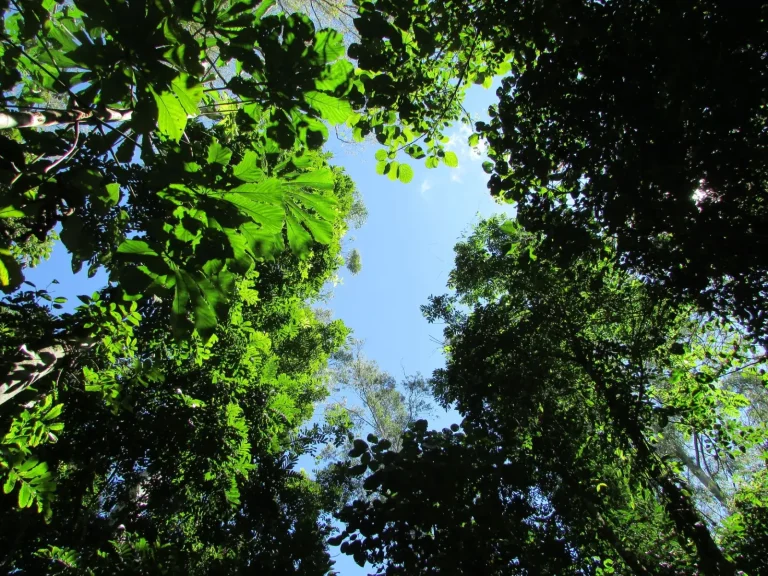
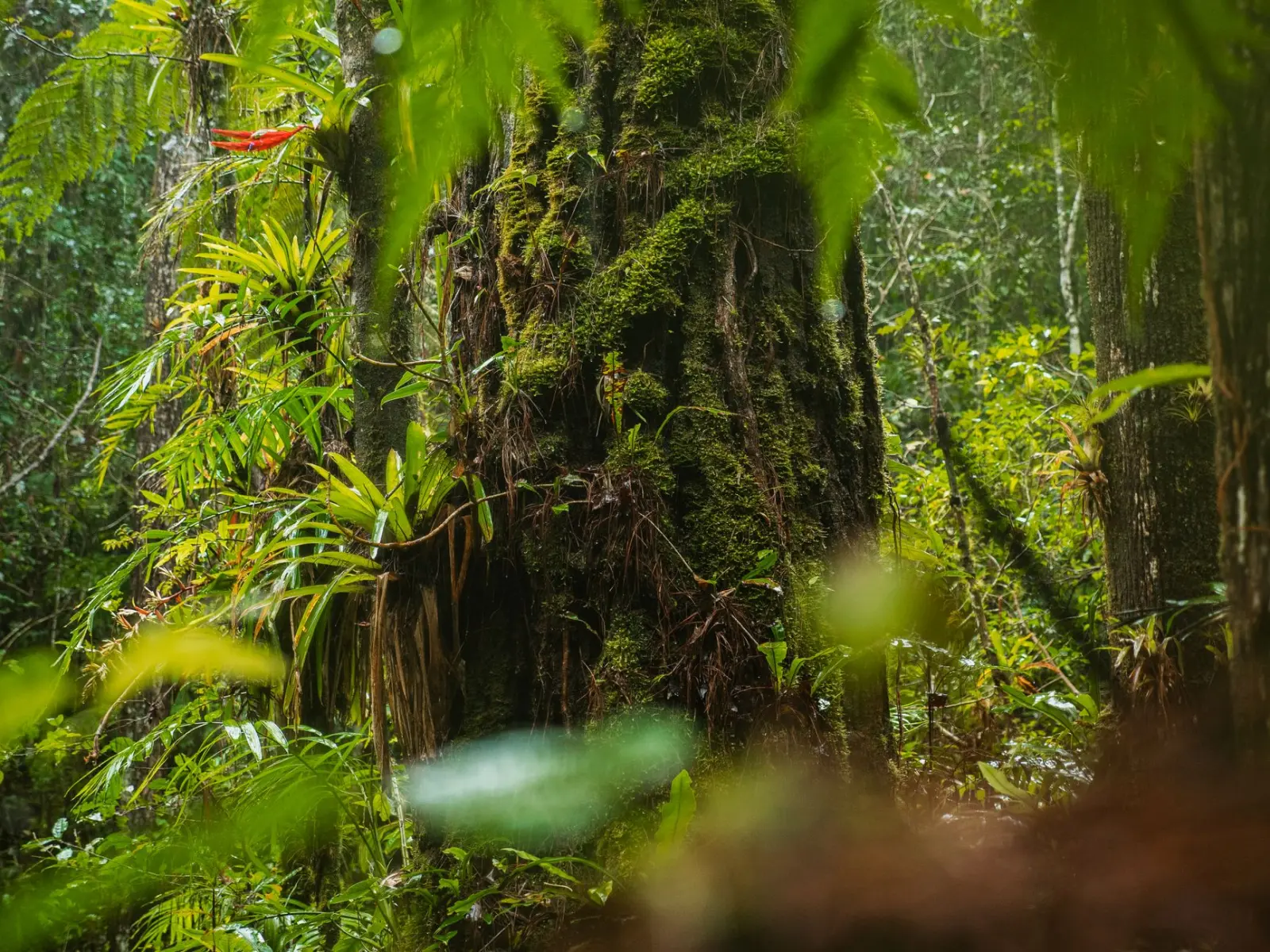
The wet season, spanning November through April, presents a different set of realities. This is when the rainforest actually functions as a rainforest – water moves through it constantly, vegetation is at its most vigorous, and the ecosystem operates at full throttle. But the wet season is not simply “rainy.” It’s humid in a way that changes how your body functions. Sweat doesn’t evaporate. Clothing stays damp. Your energy expenditure increases noticeably even on moderate walks. Insects are more active, leeches are present in greater numbers, and trail conditions deteriorate quickly after heavy rain.
What Actually Changes Between Seasons
The physical experience of walking through these rainforests shifts substantially depending on when you arrive. During the dry season, the air feels lighter. You can move faster without fatigue accumulating as rapidly. Trails dry out within hours of rain, making navigation straightforward even after overnight storms. Creeks are crossable without major detours, and the risk of getting genuinely stuck is low. This matters more than it sounds – it means you can actually complete longer walks and see more ground without the constant calculation of whether you have enough energy to turn back safely.
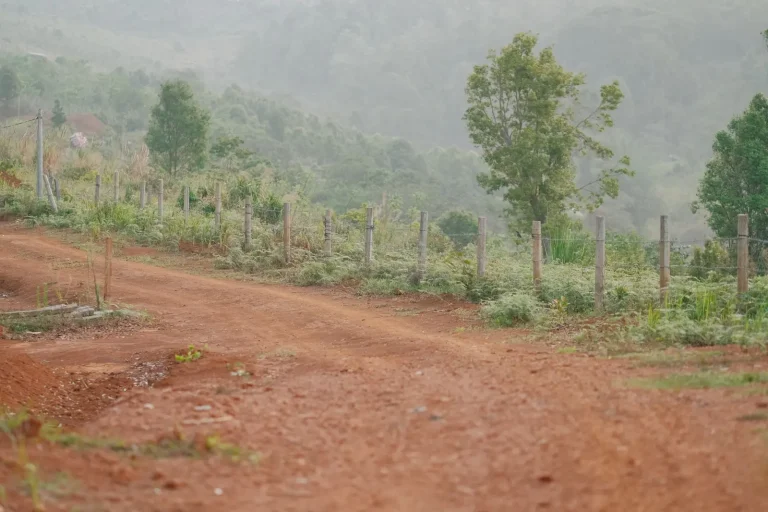
In the wet season, the same trails become fundamentally different routes. Mud isn’t occasional – it’s the baseline condition. Creek crossings require careful foot placement because water levels rise unpredictably. Vegetation encroaches more aggressively on walking paths, and the forest canopy becomes so dense that even midday feels dim. The humidity creates a physical ceiling on exertion. I’ve watched fit walkers from cooler climates hit a wall around the two-hour mark in wet season conditions, not from lack of fitness but from the sheer metabolic cost of moving through warm, saturated air.
Water availability tells its own story. In the dry season, the creeks and waterfalls that define many rainforest walks are reduced to modest flows. Pools shrink. The visual drama diminishes. In the wet season, everything moves with force. Waterfalls are genuinely impressive. Pools are full and cold. But the power of moving water also means that some walking routes become unsafe – crossings that are simple in the dry season become dangerous when water levels rise.
Wildlife and Insect Patterns
The animals you encounter vary significantly with season, though not always in the ways people expect. The dry season brings out reptiles more readily because the cooler, drier conditions suit them. You’re more likely to see snakes, monitors, and other reptiles crossing trails or basking. Birds are active year-round, but their behavior shifts. In the wet season, many species are nesting and feeding intensively, making them more vocal but sometimes less visible. The famous cassowaries are present in both seasons, though their movements and feeding patterns change with fruit availability.
Insects are the real variable. Mosquitoes increase in the wet season, particularly after rain when standing water accumulates. Leeches are predominantly a wet season phenomenon, though they can appear in the dry season if conditions are particularly humid. March and April tend to be peak leech months. Flies are present year-round but become more aggressive in the heat. Wasps and spiders are active in both seasons, though their visibility increases in the dry season when the forest is less waterlogged. The reality is that you don’t avoid insects by choosing the dry season – you simply encounter different species at different densities.
Practical Access and Trail Conditions
Getting into the rainforest and moving through it efficiently depends heavily on season. The dry season offers the most reliable access. Roads to trailheads are consistently passable, accommodation is readily available, and guided walks operate on regular schedules. This reliability has a cost – popular walks are crowded, and the experience becomes more curated and less solitary.
The wet season introduces logistical friction. Heavy rain can close roads temporarily, particularly in areas prone to flooding. Some walking tracks are officially closed during peak wet months. Accommodation fills up less predictably, which can mean easier booking but also means fewer facilities operating. Guided walk operators reduce their schedules. This friction is annoying if you’re on a fixed timeline, but it also means the rainforest feels less managed, less packaged. You encounter fewer other walkers, and the forest operates more on its own terms.
The shoulder seasons – late April through May and September through October – offer a middle ground that’s often overlooked. May and early June have the humidity starting to drop but still retain some of the wet season’s water flow and lushness. September and October are warming up but haven’t yet hit the peak heat. These months tend to have fewer visitors than the core dry season, better trail conditions than the core wet season, and a forest that’s neither at its driest nor most waterlogged.
Energy, Fatigue, and Realistic Expectations
One observation that matters more than most people acknowledge: the rainforest demands more from your body in the wet season, regardless of fitness level. The heat and humidity create a metabolic load that’s difficult to compensate for through fitness or acclimatization. If you’re planning walks of four hours or more, the dry season is objectively easier. If you’re planning shorter walks of two hours or less, the wet season becomes more manageable, though still more demanding than equivalent dry season walks.
This has real consequences for what you actually see and experience. In the dry season, you might complete a six-hour loop walk and cover significant ground. In the wet season, you might manage three hours comfortably and need to choose between depth and distance. Neither is wrong, but they’re different experiences of the same forest.
The wet season also requires more active management of your physical state. Damp clothing that doesn’t dry creates chafing. Constant moisture encourages fungal issues. Dehydration happens faster than you’d expect because sweat doesn’t evaporate efficiently, so your body’s cooling mechanism becomes inefficient. These aren’t catastrophic issues, but they accumulate and affect how long you can sustain activity.
After multiple seasons in these rainforests, I’ve found that the choice between wet and dry depends on what trade-offs you’re willing to make. The dry season offers easier logistics, more reliable conditions, and lower physical demands, but you experience a forest in a particular phase. The wet season offers the rainforest at its most active and visually dramatic, but demands more from you physically and requires more tolerance for uncertainty. Neither is objectively better – they’re genuinely different experiences of the same ecosystem.