
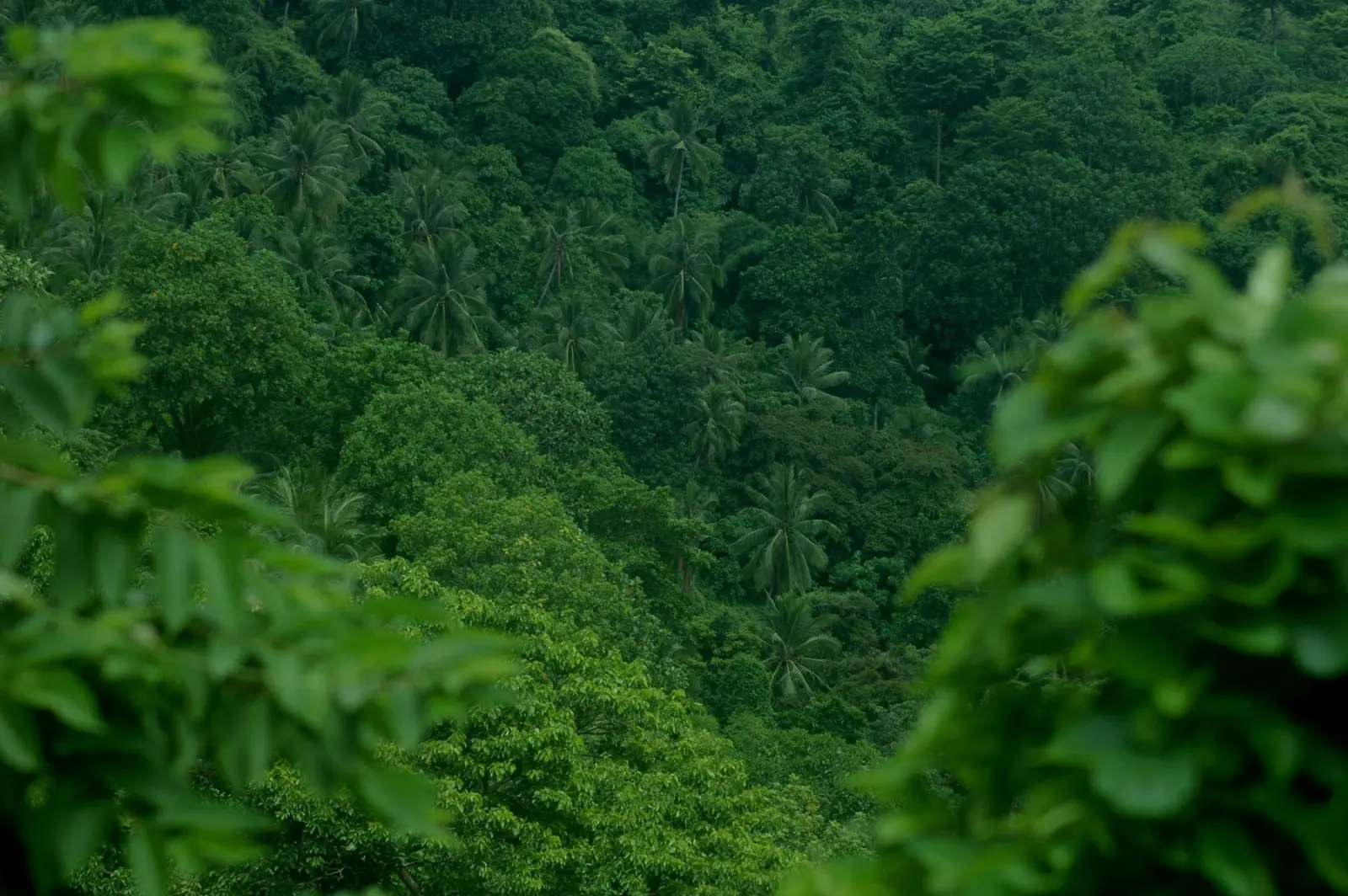
The Atherton Tablelands rainforest operates on rhythms that don’t align neatly with tourist schedules. After years of moving through these forests in different seasons and conditions, I’ve learned that understanding the place requires accepting that it changes fundamentally depending on when you arrive. The difference between visiting in May and visiting in February isn’t cosmetic – it affects which animals you’ll encounter, how accessible the walking tracks actually are, and whether you’ll experience the forest as a coherent ecosystem or as a collection of isolated vignettes.
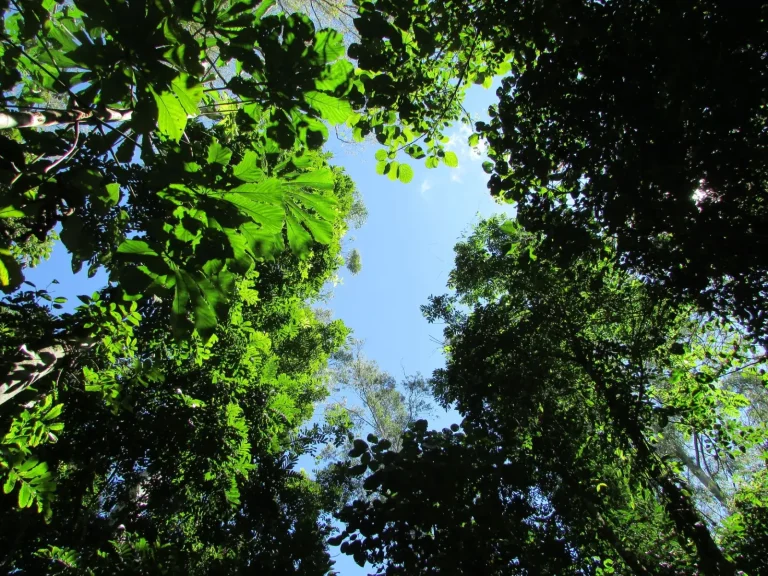
The region sits roughly 600 to 900 metres above sea level, which creates a distinct microclimate within Queensland’s broader tropical envelope. This elevation brings cooler temperatures and higher rainfall than the coastal lowlands, supporting a rainforest type that exists nowhere else on Earth. The canopy here is dense and layered in ways that take time to read. On a first visit, people often move too quickly through the understory, missing the actual structure of how the forest organises itself. The wildlife doesn’t announce itself. You have to learn to move at a pace that lets the forest reveal what’s present.
Timing and the Reality of Access
The wet season runs roughly November through March, and this is when the tablelands receive most of their annual rainfall. I’ve walked these tracks in both wet and dry conditions, and the practical difference is substantial. During the wet season, some walking trails become genuinely difficult to navigate. Not dangerous in the way a news article might frame it, but challenging in the sense that mud accumulates, stream crossings become deeper, and visibility under the canopy drops further because cloud cover thickens. The forest floor becomes slippery. Boots with decent grip matter. People who arrive unprepared for this often turn back within 20 minutes.
The dry season – May through September – is when most people visit, and for good reason. The tracks are firm, the weather is more predictable, and you can cover ground without constant attention to footing. But this is also when the forest is quieter in certain ways. Water sources are more dispersed, so wildlife congregates in specific locations. If you’re hoping to see cassowaries or tree kangaroos, dry season visits offer better odds simply because animals move more predictably when water isn’t abundant everywhere.
The shoulder months – April and October – often get overlooked, but they’re genuinely useful for visiting. You avoid the peak tourist periods, the tracks are still walkable, and the forest hasn’t fully dried out. I’ve had some of the best wildlife encounters during these months, partly because fewer people are moving through the forest, and partly because the conditions sit in a middle ground where animals are still active but the environment is manageable for walking.
What You’ll Actually Encounter
The wildlife here is not abundant in the way African savannas are. You won’t see dozens of animals in a single day. What you will find, if you move quietly and pay attention, are species that exist almost nowhere else. Cassowaries are present but elusive. They’re large flightless birds, dark-coloured, with a distinctive casque on their head, and they move through the forest with surprising quietness. I’ve encountered them perhaps a dozen times across multiple visits, and each time it felt like an accident – as though I’d stumbled into their space rather than found them. The key is to walk early in the morning when the forest is still cool and animals are most active. By mid-morning, the activity drops noticeably.
Tree kangaroos are similarly uncommon to spot. They’re adapted to vertical movement in ways that make them difficult to locate. You need to look up into the canopy, not ahead at eye level. Most people miss them entirely because they’re scanning the wrong plane. Possums, gliders, and smaller marsupials are more commonly seen, particularly at dusk when the forest transitions into night activity. Bats emerge in numbers that can be surprising if you’re not expecting them. The insect life is constant and overwhelming – the soundscape of the forest is dominated by cicadas and other arthropods, particularly in the warmer months.
Reptiles are present but not aggressive. Snakes exist here, including venomous species, but encounters are rare if you stay on marked tracks and avoid reaching into vegetation. Frogs are abundant, especially during and after the wet season. The call of frogs at night can be deafening – it’s one of those things that surprises first-time visitors who expect rainforests to be quiet.
The Physical Reality of Walking
Rainforest walking is not the same as hiking on open trails. The canopy cover means that even on clear days, the light is subdued. Your eyes take time to adjust, and photography becomes genuinely difficult without proper equipment. The humidity is constant. Even in the dry season, the air feels thick. In the wet season, it’s almost tangible. This affects how far you can comfortably walk. A 5-kilometre track that would take 90 minutes on an open ridge might take two and a half hours in rainforest because the terrain is uneven, the footing demands attention, and the psychological effect of being surrounded by dense vegetation slows your pace.
Distances can be deceptive. The forest compresses space in a way that’s hard to explain until you experience it. A waterfall that appears close on a map might involve 40 minutes of walking because the track winds through the understory rather than taking a direct line. This isn’t a criticism of the tracks – it’s simply how movement works in this environment. People who arrive expecting to cover significant distances often find themselves tired earlier than they anticipated.
Waterfalls are a primary draw, and they’re genuinely worth visiting, but they’re also places where the forest’s power becomes obvious. During the wet season, waterfalls run with serious force. The water is cold, the rocks are slippery, and the spray zone extends further than it appears from a distance. I’ve watched people slip on rocks that looked stable from a few metres away. The dry season brings smaller flows, which makes the approach easier but also changes the visual impact entirely. A waterfall that’s impressive in February can look almost modest in August.
Practical Logistics
Most people base themselves in towns like Atherton, Yungaburra, or Malanda and make day trips to specific sites. This works reasonably well, though it means you’re limited to the hours between sunrise and sunset, which in winter is only about 10 hours. If you’re serious about wildlife observation, staying closer to the forest or visiting multiple locations across several days gives you more flexibility. The roads to trailheads are generally well-maintained, but some secondary roads can be rough after heavy rain. A standard car is usually fine, but ground clearance matters if you’re visiting less-popular access points.
Guided tours are available, and they vary considerably in quality. A good guide will know where animals are likely to be and can move through the forest with minimal disturbance. A poor guide will follow a standard script and miss most of what’s actually present. If you’re hiring a guide, it’s worth asking about their experience with wildlife observation specifically, not just their knowledge of the forest’s history and ecology. The best guides I’ve encountered were people who had spent years in the forest and moved through it with an almost intuitive sense of where to look.
Self-guided walking is entirely feasible if you’re comfortable reading maps and moving at your own pace. The marked tracks are clear, and most have interpretive signs explaining the forest structure and ecology. The advantage of self-guided walks is that you can stop whenever something catches your attention, rather than being locked into a group’s pace. The disadvantage is that you might miss subtle details that a knowledgeable guide would point out.
The Atherton Tablelands rainforest rewards patience and repeat visits more than it rewards ambitious itineraries. The forest doesn’t reveal itself quickly, and the wildlife doesn’t perform on schedule. What makes this place distinct is not that it’s dramatically different from other rainforests, but that it’s accessible, it’s ecologically intact, and it exists in a form that’s been relatively stable for thousands of years. Spending time here means accepting that you’ll see less than you might hope to see, but what you do encounter will likely stay with you longer than you expect.