
Mossman Gorge sits at the northern edge of the Daintree, and it’s one of those places that looks deceptively straightforward on paper. You show up, walk through rainforest, see water, leave. The reality of a guided tour there is more textured than that. After spending considerable time moving groups through these trails, I’ve noticed patterns in what actually matters – and what doesn’t.
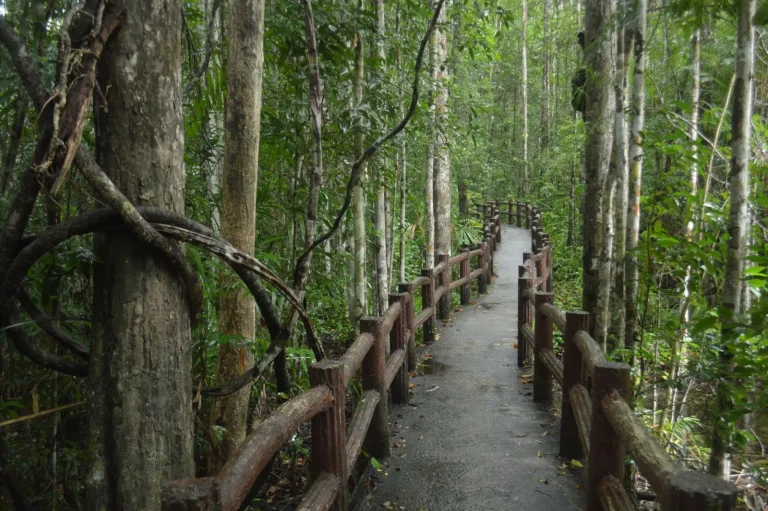
The gorge itself is compact. The main walking loop covers roughly 2.4 kilometres, which sounds manageable until you account for the terrain, humidity, and the fact that most visitors aren’t accustomed to walking on uneven ground for extended periods. A guided tour typically takes between 1.5 and 2.5 hours depending on the guide’s pace, group size, and how much time is spent at the swimming hole. The walk isn’t technically difficult – there are no scrambles or exposed sections – but it’s relentlessly damp underfoot, and the canopy density means you’re navigating in softer light than you might expect.
The Physical Reality of the Walk
What catches most people is the combination of humidity and the constant slight elevation change. The gorge floor descends and rises repeatedly as you move along the creek. Each rise feels minor in isolation, but they accumulate. I’ve watched fit visitors slow noticeably by the halfway point, not from exertion but from the mental fatigue of concentrating on footing while managing sweat and breathing in thick air. The trail surface itself is a mix of packed earth, exposed roots, and sections where water seepage keeps things perpetually slick.
Footwear matters more than people anticipate. Runners or casual hiking shoes work, but they need grip. I’ve seen visitors slip on what looked like dry sections because the underlying soil was still damp from the previous night’s rain. The gorge gets substantial rainfall, and the drainage is slow. Even if the day itself is dry, the trail often isn’t.
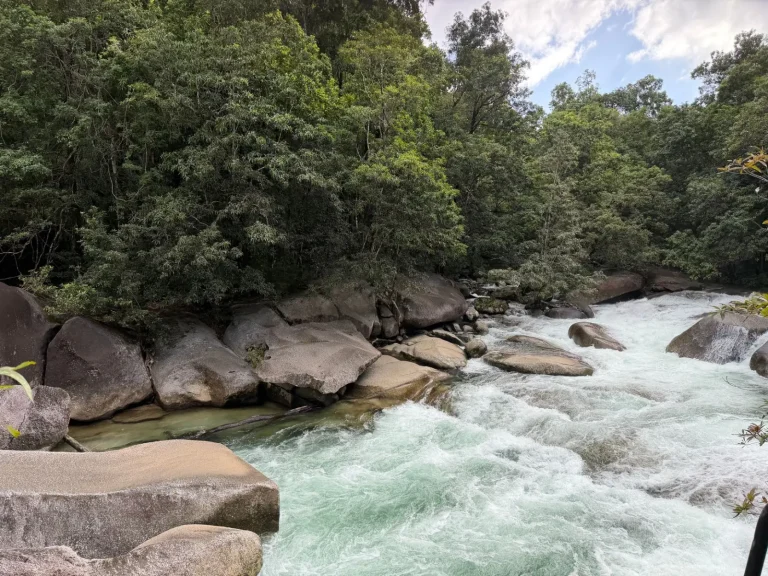
Guides typically pause at three or four key points. The first is usually near the entrance where the rainforest canopy becomes visibly dense and the temperature drops noticeably. The second stop tends to be at a vantage point overlooking the gorge itself, where the creek is visible below and the scale of the forest becomes apparent. The third is almost always at the swimming hole – a natural pool formed where the creek widens and deepens. This is where the walk shifts from movement to stillness, and it’s where most groups spend the longest time.
What Guides Actually Explain
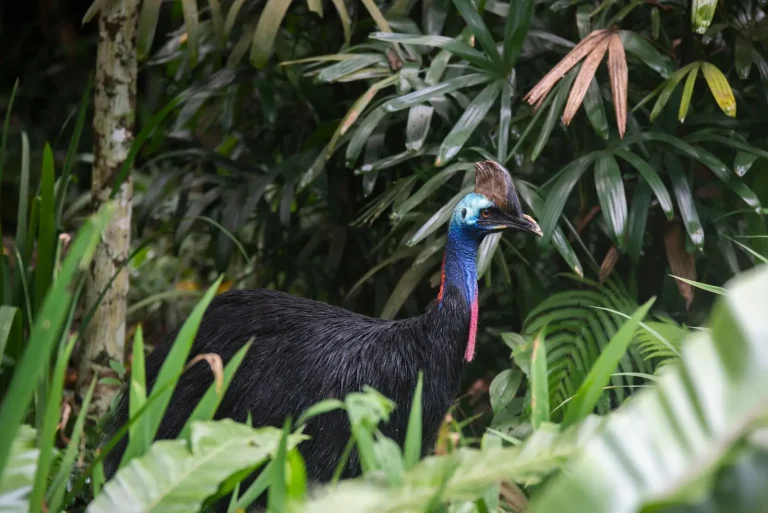
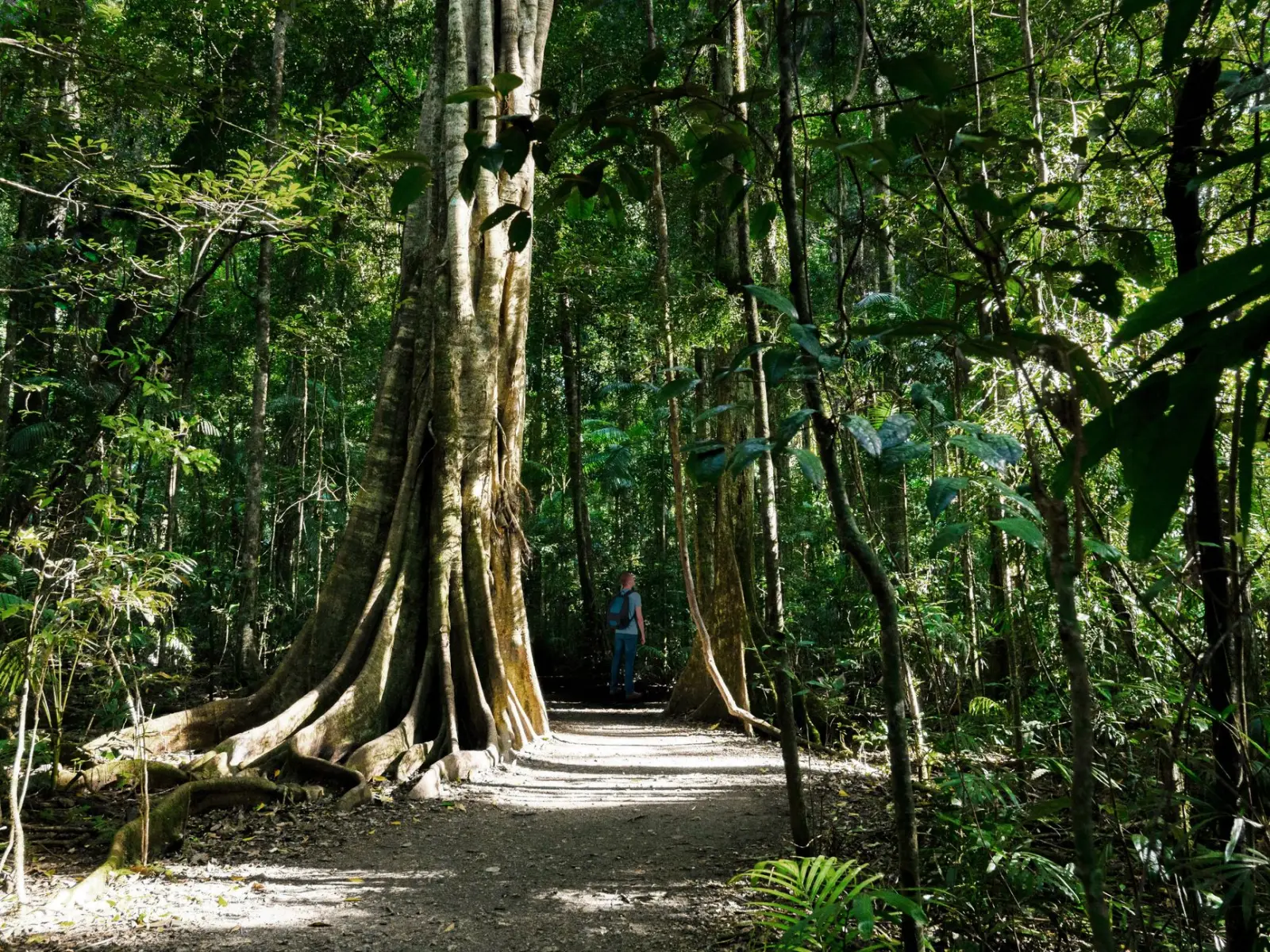
The quality of interpretation varies considerably. A competent guide will point out specific trees – the fig strangler, the giant stinging tree, the various palms – and explain the mechanics of how the rainforest actually functions. They’ll note the layering of the canopy, the role of decomposition, the relationship between the creek and the forest structure. They’ll mention the wildlife you’re unlikely to see but might hear – cassowaries, various frogs, snakes that are present but not aggressive.
Less experienced guides tend to focus on superlatives and anecdotes. They’ll tell you this is “one of the oldest rainforests in the world” and share stories about visitors who’ve had encounters with wildlife. These aren’t wrong, but they don’t build much understanding of why the place functions as it does. The difference becomes apparent when you’re standing in the forest trying to understand what you’re actually looking at.
Most guides will discuss the Daintree’s cultural significance to the Kuku Yalanji people, who have inhabited the region for thousands of years. This is important context, though the depth of this explanation depends on the guide’s knowledge and whether they have Indigenous heritage themselves. Some tours are led by Kuku Yalanji guides, which typically means a more grounded perspective on the land and its history.
Timing and Crowds
Early morning tours – starting around 7 or 8 AM – tend to be quieter and slightly cooler. By mid-morning, the humidity intensifies and tour groups become more frequent. The gorge can absorb a reasonable number of visitors without feeling overwhelming, but there’s a threshold. When multiple large groups are on the trail simultaneously, the experience shifts from exploration to following a queue. This happens most often during school holidays and peak tourist season from June through August.
Afternoon tours are generally less crowded but hotter. The creek temperature is warmer, which some people prefer for swimming. The light quality changes as the sun moves higher, and the forest interior becomes less visually distinct. There’s less atmospheric drama in the afternoon, though the physical demands are similar.
The swimming hole itself requires some consideration. The water is cool year-round, fed by the creek. It’s safe for swimming, but the depth varies and the bottom is rocky and uneven. Guides will typically advise on where to enter and exit. Some people find the water refreshing; others find it shockingly cold. The pool is also where you’ll spend time relatively stationary, which means insects become more noticeable. Mosquitoes and sandflies are present but not usually overwhelming if you’re moving.
What Makes a Tour Worth the Time
A guide who understands the ecology and can explain what you’re seeing transforms the experience. Instead of walking through a pretty forest, you’re reading the landscape. You start to notice the relationship between the massive strangler figs and their host trees, the way the canopy layers protect the understory, the signs of animal activity that would otherwise be invisible. This kind of understanding requires a guide who has spent time in the forest and thinks about it systematically.
The swimming hole serves a practical function beyond recreation. It’s a place where the forest’s relationship with water becomes tangible. The coolness of the water, the way it moves, the vegetation around its edges – these details matter. A guide who can explain why the pool exists and what maintains it adds another layer to the experience.
Group size affects the experience significantly. Smaller groups – six to eight people – allow for more flexible pacing and better hearing of the guide’s explanations. Larger groups (15 or more) mean more time spent waiting for people to catch up and more difficulty hearing commentary over ambient noise. Some operators cap group sizes deliberately; others don’t, and the difference is noticeable.
The walk itself is straightforward enough that you could do it independently if you wanted. The value of a guide isn’t really about navigation – it’s about interpretation and context. Without a guide, you see a rainforest and a creek. With a competent guide, you understand how the system works and why it matters. That distinction is worth considering when deciding whether to book a tour or explore on your own.