
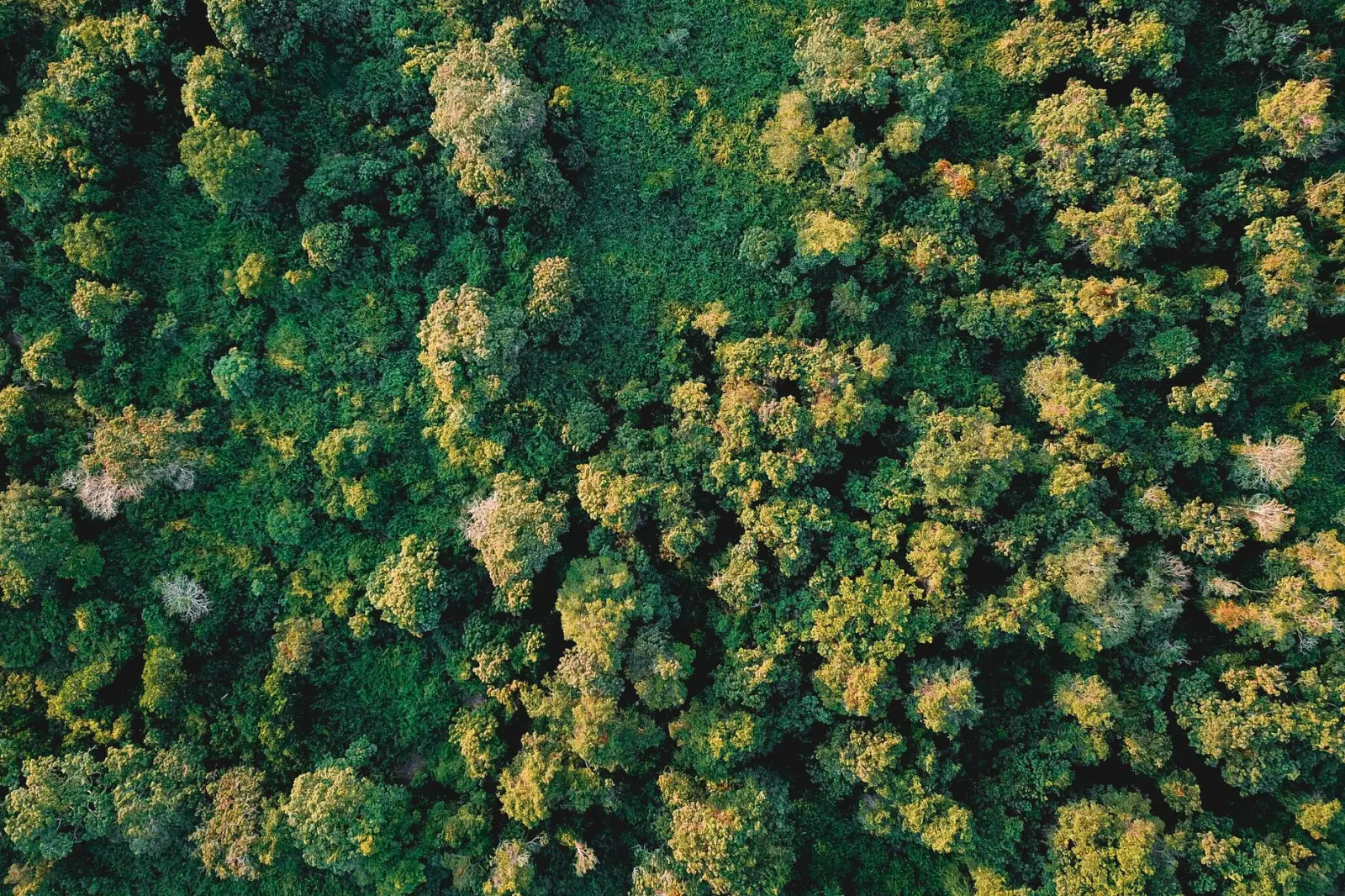
Spending time in Australian rainforests changes how you understand biodiversity. It’s not abstract until you’re actually moving through the canopy understory, watching how light filters through layers, noticing which animals emerge at specific times, and recognizing that nearly everything you encounter exists nowhere else on Earth. The rainforests of northeastern Australia – particularly those in Queensland and parts of New South Wales – represent something ecologically distinct from tropical forests elsewhere. They’re old, they’re isolated, and they function as living museums of species that have survived for millions of years.
The biodiversity here isn’t just abundant. It’s concentrated in ways that create genuine ecological vulnerability. A single rainforest patch might contain more endemic species than entire regions elsewhere. Walk through a wet tropical forest near Cairns or the Daintree, and you’re moving through an ecosystem where the vast majority of the plants and animals have nowhere else to go if conditions change. This is what makes the forests crucial – not because they’re impressive to visit, but because they’re irreplaceable repositories of genetic and species diversity that took tens of millions of years to develop.
Endemism as an Ecological Reality
What strikes you most in Australian rainforests is the sheer proportion of species found nowhere else. Around 70 percent of plant species in the Wet Tropics are endemic to that region. For vertebrates, the figure is similarly high. This isn’t a coincidence of geography – it’s the result of Australia’s isolation as a continent and the long-term stability of rainforest patches that have persisted through climate cycles.
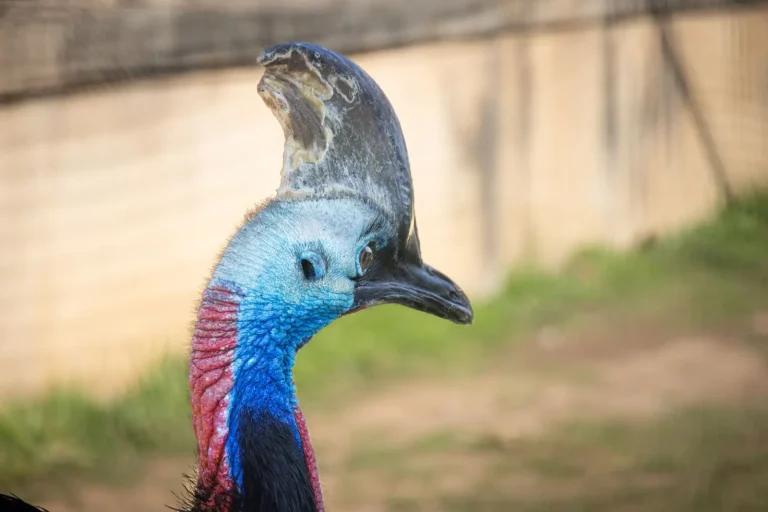
The cassowary, a large flightless bird you might encounter in the Daintree, exists in wild populations almost exclusively in these rainforests. The musky rat-kangaroo, a small marsupial that looks like it belongs in a different era, is found only in a handful of rainforest areas. Tree kangaroos, which have adapted to life in the canopy in ways that seem almost improbable, are similarly restricted. Each of these species represents a branch of the evolutionary tree that diverged early and never reconnected. Lose the forest, and you don’t just lose habitat – you lose entire lineages of life that cannot be recreated.
This concentration of endemism creates a practical conservation problem. Species with small ranges are inherently more vulnerable to localized disturbances. A disease outbreak, a severe storm, a fire that moves through at the wrong time – any of these can threaten the entire global population of a species. You see this tension constantly in conservation work: the forests that matter most for biodiversity are often the ones most at risk because their species have nowhere else to retreat.
Ecosystem Functions Beyond Species Counts
Biodiversity in rainforests isn’t just about the number of species present. It’s about how those species interact and what functions they perform. The forest structure itself – the layering of canopy, midstory, and understory – creates multiple ecological niches. Fruiting trees support entire networks of animals that depend on them seasonally. Fallen logs become habitat for invertebrates, fungi, and decomposers that drive nutrient cycling. The forest floor is a complex matrix of interactions that most visitors never see.
Pollination networks in rainforests are particularly intricate. Many plant species here have evolved alongside specific animal pollinators – birds, insects, bats – in relationships that are sometimes obligate. If the pollinator disappears, the plant can’t reproduce. If the plant disappears, the pollinator loses a food source. These interdependencies mean that species loss doesn’t cascade in simple ways. It creates cascades within cascades.
The role of large animals in seed dispersal is something you notice when you understand rainforest ecology. The cassowary, for instance, disperses seeds of native fig trees across considerable distances. These aren’t minor ecosystem services. They’re foundational to forest regeneration and genetic diversity within plant populations. Remove the animal, and you don’t just lose that species – you alter the composition and structure of the forest itself over time.
Climate Refugia and Long-Term Stability
Australian rainforests have persisted through multiple climate cycles over the past 100 million years. They’ve shrunk and expanded, but they’ve never disappeared entirely from certain regions. This persistence matters because it allowed species to survive when other habitats became inhospitable. The rainforests functioned as climate refugia – places where conditions remained stable enough for sensitive species to endure.
This historical stability is now under pressure. Temperature increases are shifting the elevation at which certain species can survive. Rainfall patterns are becoming less predictable. The forests that once provided reliable refuge are facing conditions they haven’t encountered in their recent evolutionary history. Species adapted to stable, warm, wet conditions don’t have the physiological flexibility to tolerate rapid change. This is where the biodiversity becomes a liability rather than just an asset – high endemism means low adaptive capacity across the landscape.
What you observe in the field is a forest system that’s beginning to show stress. Not catastrophic collapse, but subtle shifts in species composition, changes in flowering and fruiting times, and increasing pressure on species at the edges of their ranges. These changes are slow enough that they’re easy to miss if you’re not looking, but they’re consistent across multiple sites and multiple years of observation.
Practical Conservation Implications
Understanding why Australian rainforests matter for biodiversity leads directly to conservation challenges that are more complex than simple protection. You can’t just draw a boundary around a forest and assume the species inside will persist indefinitely. The forests are embedded in landscapes that are changing. They’re connected to other ecosystems through animal movements and water flows. They’re affected by processes that operate at continental and global scales.
The practical reality is that maintaining biodiversity in these forests requires active management of threats – controlling invasive species, managing fire regimes, maintaining connectivity between forest patches, and addressing climate change at a scale that individual reserves cannot influence. It also requires accepting that some species may not persist in their current ranges without significant intervention. This isn’t failure of conservation – it’s recognition of the magnitude of the challenge.
The biodiversity of Australian rainforests matters because it represents an irreplaceable archive of evolutionary history and ecological function. These forests have produced species found nowhere else, evolved complex ecological relationships that took millions of years to develop, and provided stability for sensitive organisms through multiple climate cycles. Recognizing this importance isn’t sentimental – it’s grounded in the observable reality that these ecosystems are unique, vulnerable, and increasingly difficult to maintain under current and projected conditions. The work of conservation here isn’t about preserving a pristine wilderness. It’s about managing the transition of these forests into an uncertain future while trying to retain as much of their biological and ecological distinctiveness as possible.