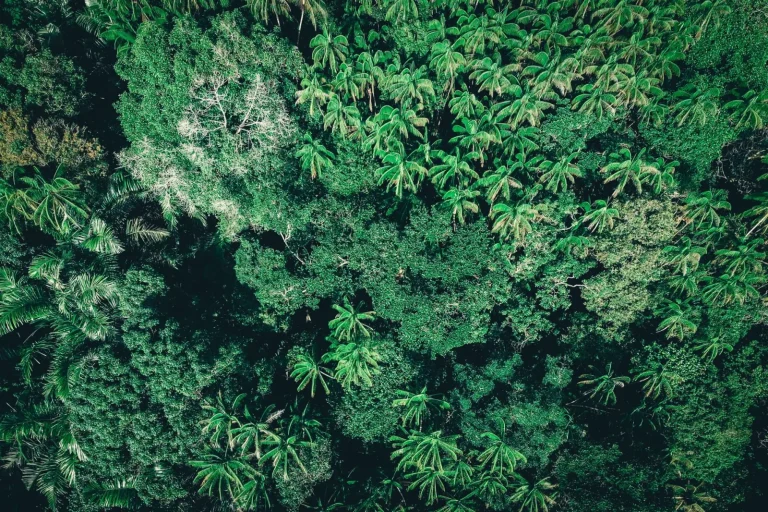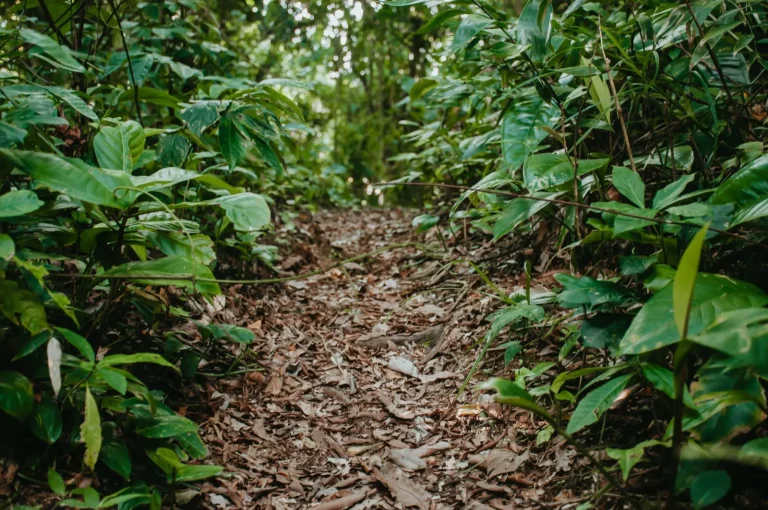

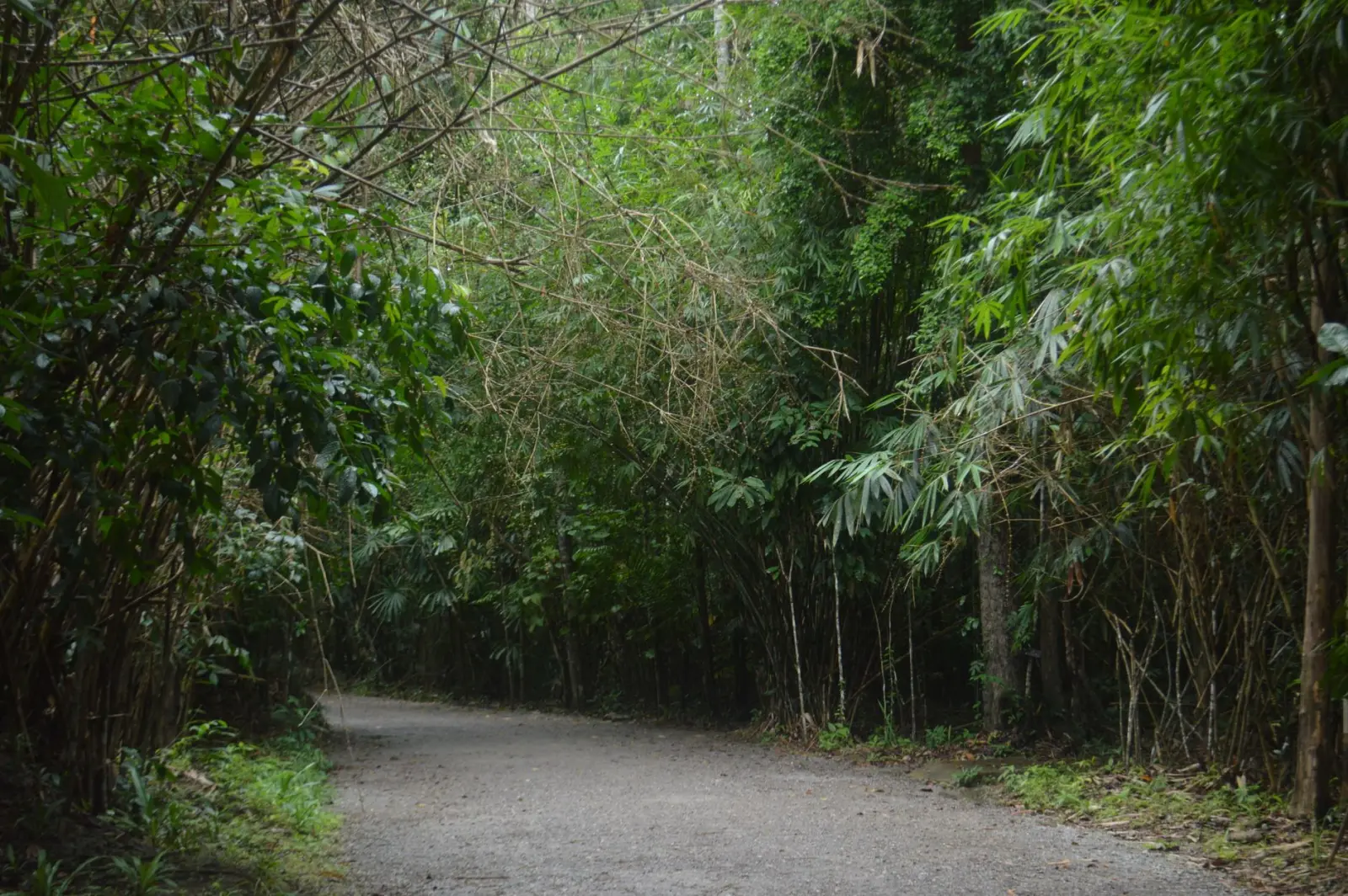
Port Douglas sits at the edge of one of the world’s oldest rainforests, and the walking options there carry a particular character. I’ve spent enough time on these tracks to know which ones deliver what they promise and which ones disappoint or demand more than visitors expect. The rainforest around Port Douglas isn’t a gentle botanical garden – it’s dense, humid, and the tracks themselves reflect decades of foot traffic and seasonal wear.
The most common starting point is Mossman Gorge, about 20 minutes south of town. This is where most people begin because it’s accessible and the infrastructure is straightforward. The main loop there covers roughly 2.4 kilometres and takes between 45 minutes and 90 minutes depending on pace and how long you pause. The track is well-maintained because it handles high volume, but that also means it’s never quiet. You’ll encounter other walkers regularly, especially in the morning when tour groups arrive. The gorge itself is the real draw – the water is cool and clear, and the rock formations have genuine character. What often catches people off guard is the humidity. Even early in the morning, the air is thick. The track climbs in places, nothing dramatic, but enough that people carrying unnecessary weight notice it.
Timing and Crowds
The window for walking here matters more than most places. Between November and March, the heat and humidity peak, and the afternoon downpours are reliable. I’ve seen people set out at 2 p.m. expecting a pleasant walk and turned back within 20 minutes because the rain was heavy enough that the track became slippery. Early morning – before 8 a.m. – is genuinely different. The light is better, the temperature is tolerable, and you’ll have stretches of the track nearly to yourself. By 9 a.m., the tour groups have arrived and the experience shifts.
Josephine Falls, about 30 kilometres inland from Port Douglas, offers a different proposition. The walk is shorter – roughly 1.2 kilometres one way – but steeper. The payoff is a waterfall and a pool deep enough to swim in, which matters on a hot day. The track itself is narrower and more exposed than Mossman Gorge, with less shade in places. The ground can be rocky and uneven, so proper footwear isn’t optional here. I’ve watched people in thongs or casual shoes struggle noticeably. The walk typically takes 30 to 45 minutes up, and the return is faster. What makes this walk worthwhile is the isolation relative to Mossman Gorge. You’re less likely to encounter large groups, and the rainforest feels less trafficked. The water quality is excellent, and the pool is genuinely refreshing.
The Inland Tracks: Daintree and Beyond
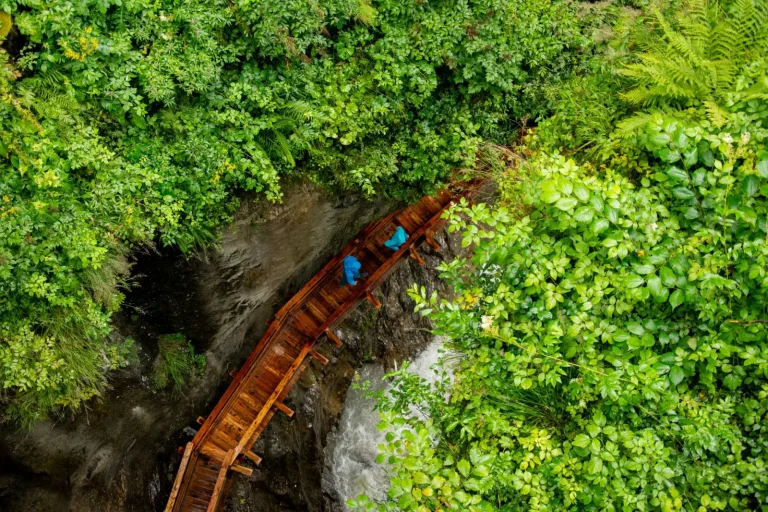
If you’re willing to drive further – and the Daintree is about 45 minutes from Port Douglas – the character of the walks changes. The rainforest there is older and denser. Marrdja Boardwalk is a 1.5-kilometre circuit that moves through the forest on elevated timber. This is accessible for people with limited mobility, which is its main advantage. The boardwalk itself prevents damage to the forest floor and keeps you out of mud, but it also creates a slightly removed experience. You’re observing the rainforest rather than moving through it. The walk is flat and takes roughly 30 to 45 minutes. It’s useful if you want to see the forest structure and canopy without physical strain.
Cow Bay, further into the Daintree, has several walking options. The Cathedral Fig Trail is a short loop – about 500 metres – that moves through a grove of enormous fig trees. The scale of these trees is genuinely striking. The walk is easy, takes 15 to 20 minutes, and requires no real fitness. What’s notable is how quiet it tends to be. Most visitors don’t venture this far, so you often have the space to yourself. The downside is the drive time. You’re looking at 90 minutes round trip from Port Douglas just for transport, which affects whether the walk feels worthwhile relative to your total time.
Thornton Beach and the Daintree Discovery Centre sit at the northern edge of the Daintree. The beach walk itself is straightforward and takes 20 to 30 minutes. The Discovery Centre has its own boardwalk system through the rainforest, and the combination works well if you’re already in the area. The Centre’s boardwalk is perhaps 800 metres and focuses on interpretation – there are signs explaining the ecology and species. It’s educational without being heavy-handed. The whole experience, including time at the Centre, typically takes 2 to 3 hours.
Practical Realities
Water is essential. The heat and humidity mean you’ll sweat more than you expect, even on shorter walks. I’ve seen people finish a 45-minute walk at Mossman Gorge looking genuinely dehydrated. Carrying at least 1.5 to 2 litres per person is reasonable, and more if you’re walking in the heat of the day. The tracks themselves are generally well-marked, but signage can fade. A phone with offline maps downloaded is useful, particularly for less-travelled options.
Footwear matters more than people anticipate. The ground is often wet, even when it hasn’t recently rained. The rainforest floor holds moisture, and roots create uneven surfaces. Proper hiking shoes or trail runners with good grip prevent most problems. Thongs or casual sneakers are genuinely risky – I’ve seen ankle injuries from people slipping on wet rock or roots.
Insects and wildlife are present but rarely problematic. Mosquitoes are more common than snakes or spiders, and they’re mostly an annoyance rather than a threat. Insect repellent is worth carrying. The rainforest is home to cassowaries, but encounters are uncommon, and the birds are generally avoidant of people.
The wet season – November to March – brings the heaviest rainfall and highest humidity. Tracks don’t close, but they become muddy and slippery. Visibility can be reduced by mist and low cloud, particularly on inland walks. The dry season – May to September – is more comfortable, though “dry” is relative in a rainforest. You’ll still encounter moisture and humidity; it’s simply less extreme.
Most of these walks don’t require permits or bookings. Mossman Gorge charges a small entry fee managed by the local Indigenous community. Parking is generally available, though Mossman Gorge can fill up by mid-morning during peak season. Arriving early solves this problem consistently.
The rainforest around Port Douglas rewards being realistic about what you’re undertaking. The walks aren’t technically difficult, but the environment is demanding. Heat, humidity, and uneven ground mean that a 2-kilometre walk here feels more substantial than the same distance on a temperate track. Starting early, carrying adequate water, and wearing proper footwear transform the experience from uncomfortable to genuinely rewarding. The rainforest itself is remarkable – ancient, complex, and worth the effort of moving through it on foot.