
Most people booking a Daintree rainforest day tour from Cairns expect a straightforward jungle experience. What they get is considerably more logistically involved, and the gap between expectation and reality shapes how the day actually unfolds. After years of observing these tours – and running them – certain patterns emerge about what works, what doesn’t, and what catches visitors off guard.
The first thing to understand is that a Daintree day tour is really two separate experiences compressed into one day. You’re not simply walking into the rainforest from Cairns. You’re traveling north for roughly 90 minutes to reach the Daintree region, spending a concentrated window in the forest, then returning. That travel time isn’t wasted, but it does mean your actual rainforest contact is often shorter than people anticipate when they book a “day tour.”
The Journey and Timing Reality
Most tours depart Cairns between 7 and 8 a.m. The drive itself follows the coastal highway north, passing through Port Douglas. This isn’t scenic window-gazing time – it’s when your guide typically begins talking about what you’ll see and how the rainforest works. Some operators use this time effectively; others treat it as dead space. The quality of the drive experience often depends on group size and guide knowledge rather than the route itself.
You’ll cross the Daintree River by small vehicular ferry. This takes about 15 minutes and is genuinely the only way across for vehicles. It’s not a tourist attraction dressed up as logistics – it’s simply necessary. The ferry itself is unremarkable unless you’re the type who finds river crossings inherently interesting. Most people use it to check their phones or stretch.
By the time you reach the rainforest proper, you’ve already been traveling for two hours. This matters because fatigue, hunger, and bladder concerns start affecting how people experience the forest. Tours that don’t account for this – that launch straight into a long walk without a bathroom stop or water station – tend to lose people’s attention within the first 30 minutes.
What’s Actually Included in the Forest
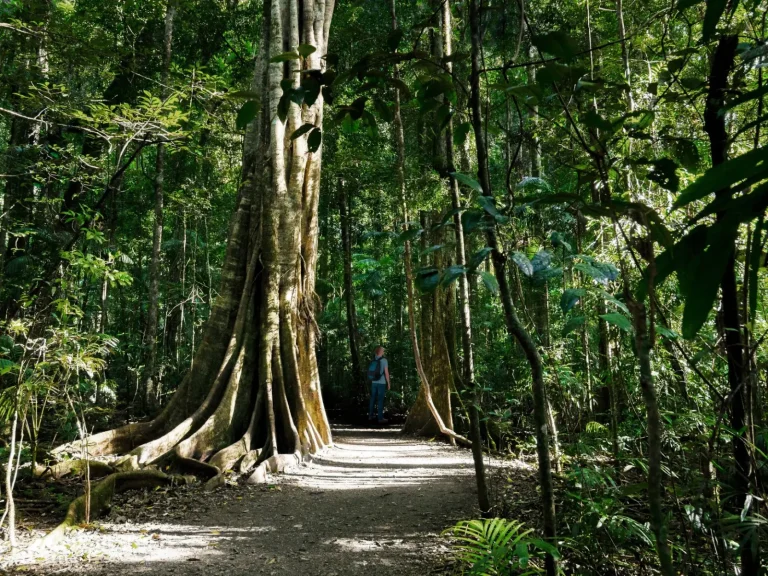
The rainforest component typically involves a guided walk lasting between 1.5 and 3 hours, depending on the operator and tour type. This isn’t a casual stroll. The terrain is uneven, often muddy, and involves tree roots, loose rocks, and occasional steep sections. Comfortable walking shoes matter far more than most people realize when booking online. Thongs, fashion sneakers, or minimalist shoes create problems quickly.
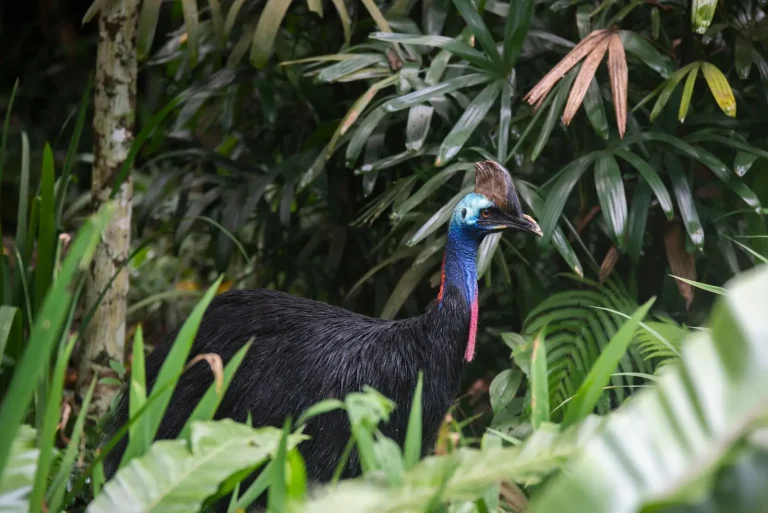
Your guide will point out wildlife, plants, and geological features. The actual wildlife sightings are unpredictable. You might see cassowaries, tree snakes, or nothing larger than insects. Guides who promise specific animal encounters are being dishonest. What you will reliably encounter are the sounds – bird calls, insect noise, water – and the sheer density of vegetation. The forest is genuinely impressive from a botanical perspective, though whether that translates to a memorable experience depends partly on your baseline interest in ecology.
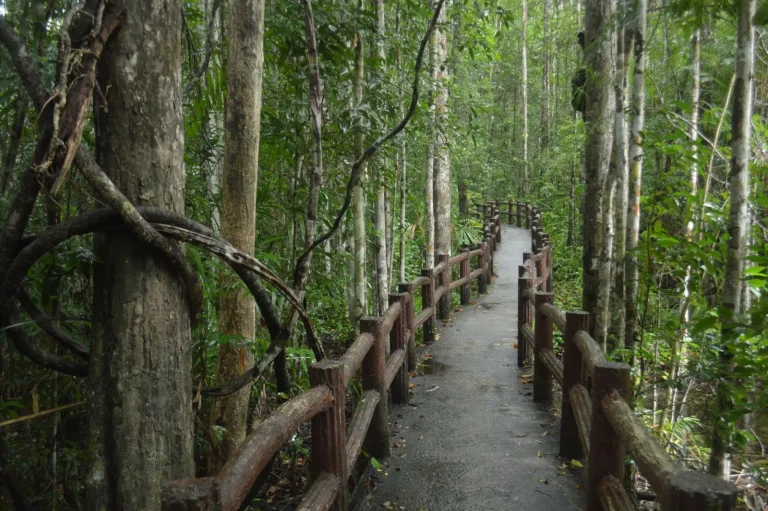
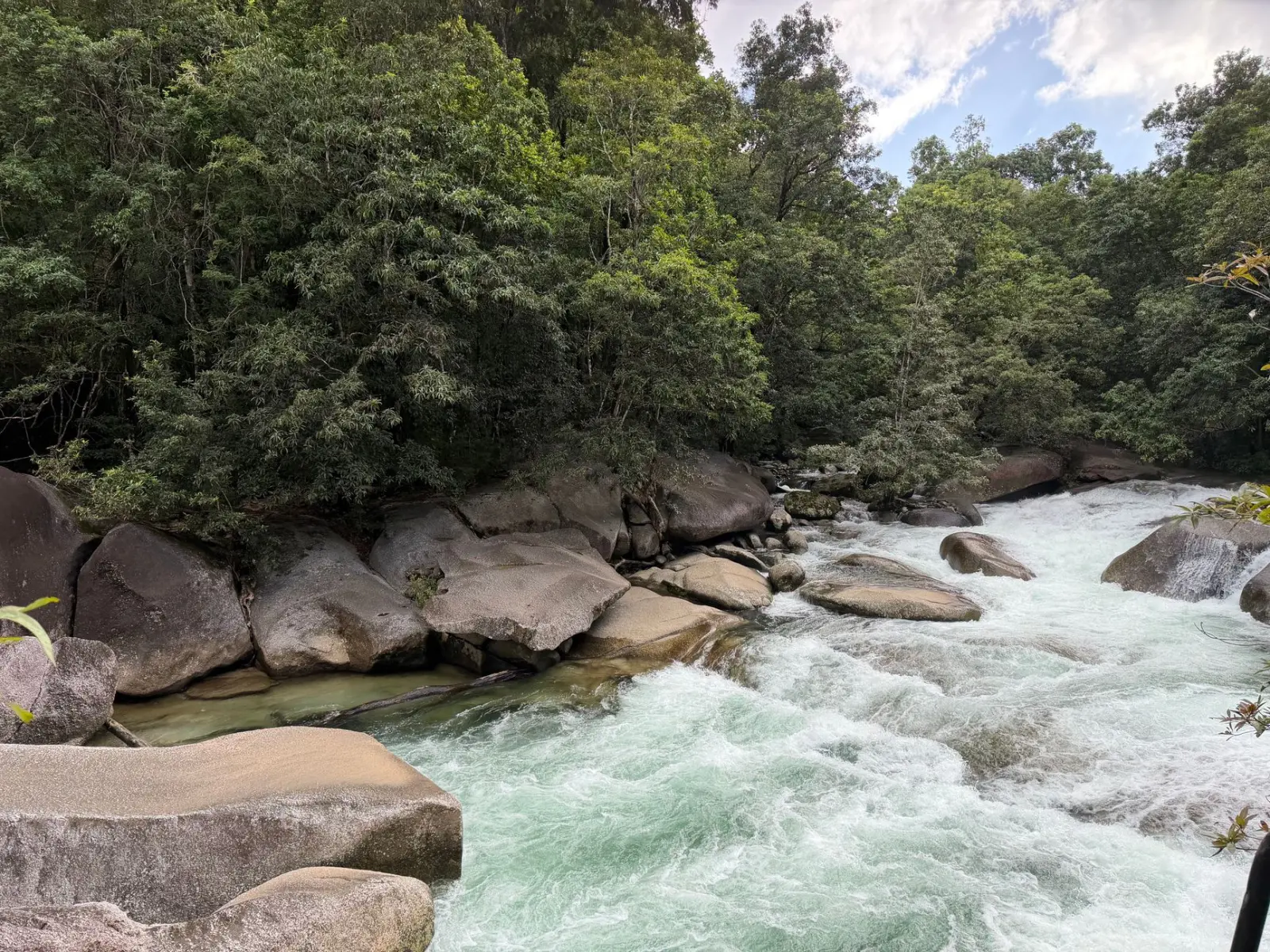
Most tours include a stop at a swimming hole or creek. This is usually a genuine highlight. The water is cold and clear, and the relief of cooling off after walking in humidity is noticeable. Not all tours include this, so it’s worth checking. Some operators add a visit to a local indigenous cultural site or a private rainforest property with better infrastructure – boardwalks, viewing platforms, facilities. These tend to be more comfortable but less wild-feeling than pure forest walking.
The Practical Elements Often Overlooked
Lunch is typically included but varies significantly. Some tours provide a packed lunch; others stop at a local café or restaurant. The quality and quantity are rarely exceptional. If you have dietary requirements, confirming these well in advance matters. “Vegetarian option available” sometimes means a sandwich with lettuce and nothing else. Bring snacks if you have specific needs.
Insect repellent is essential and most operators provide it, but the effectiveness varies. Mosquitoes and sandflies are present, particularly near water. Wearing long sleeves and pants – which sounds uncomfortable in tropical heat – actually works better than relying on repellent alone. Most visitors don’t dress this way and spend the evening itching.
The humidity is constant and intense. It’s not the dry heat of inland Australia. You’ll sweat continuously, and your clothes will be damp by mid-morning. This affects comfort, energy levels, and how long you can comfortably walk. People from cooler climates often underestimate this and push themselves too hard early in the day.
Photography is possible but challenging. The light under the rainforest canopy is dim and green-tinted. Phone cameras struggle. If photography matters to you, bringing a camera with manual settings helps, though even then the results often don’t capture what your eyes actually see. Guides usually allow time for photos, but they’re moving a group, not waiting for perfect light.
Group Dynamics and Pacing
Most tours operate with groups of 8 to 20 people. Smaller groups allow for slower pacing and more detailed explanation. Larger groups move faster and feel more like a conveyor belt through the forest. If you prefer a quieter experience, booking a smaller operator or a private tour makes a difference, though it costs more.
The pace is typically moderate, but “moderate” is subjective. If you’re unfit or have mobility concerns, communicate this to the operator beforehand. Some guides will adjust; others won’t. Tours marketed as “easy” are still walks through uneven terrain for several hours. There’s no such thing as a truly leisurely rainforest tour if you’re actually going into the forest.
Your guide’s knowledge and personality shape the experience substantially. A guide who understands the ecology, speaks clearly, and reads the group’s energy makes the same walk feel entirely different from a guide who’s simply herding people through. This is difficult to assess when booking online. Reading recent reviews mentioning specific guides sometimes helps, though guide availability isn’t guaranteed.
Return and Overall Duration
Most tours return to Cairns by late afternoon, typically between 4 and 5 p.m. The return journey follows the same route, so you’re in the vehicle again for roughly 90 minutes. By this point, most people are tired, damp, and ready to be done. The drive back is quieter than the drive out. Your guide might point out things you missed on the way north, but attention spans are lower.
Total time commitment is typically 10 to 12 hours from hotel pickup to drop-off. That includes two hours of driving each way, three to four hours in the forest, lunch, and various stops. It’s a full day that leaves you tired. If you’re expecting a leisurely experience, this intensity might surprise you.
The Daintree is genuinely one of Australia’s most significant natural environments. The rainforest is ancient, biodiverse, and worth seeing. But the experience is shaped as much by logistics, group dynamics, and physical demands as by the forest itself. Knowing what you’re actually signing up for – not the marketing version, but the real sequence of events and physical requirements – helps you prepare appropriately and set realistic expectations. That distinction between expectation and reality is where most satisfaction or disappointment actually originates.