
Cape Tribulation sits at a peculiar intersection. The rainforest meets the reef, the wilderness feels accessible, and the tours promise something that rarely disappoints but often surprises in unexpected ways. I’ve spent enough time guiding through this landscape to understand what works, what frustrates visitors, and why the experience rarely matches the brochure image people carry in their heads.
The first thing most people misunderstand is the scale. Cape Tribulation isn’t a single destination you visit for an afternoon. It’s a region that stretches from the Daintree River north to Cape Tribulation itself, with the bulk of the rainforest experience happening in the Daintree National Park. A guided walk that sounds like it covers “the rainforest” might actually be a 2-3 kilometer loop through a specific pocket of vegetation. That’s not a limitation – it’s actually the only sensible way to move through this terrain. The forest is dense enough that covering distance quickly means missing everything worth seeing.
How Rainforest Walks Actually Feel
When you’re walking through the Daintree with a guide, the experience depends heavily on timing and group size. Early morning walks, starting around 6 or 6:30 a.m., catch the forest when it’s most active. Birds are calling, insects are moving, and the light filters through the canopy in a way that makes the whole thing feel alive. By mid-morning, especially in the warmer months, activity drops noticeably. The forest doesn’t go quiet – it just becomes less visibly dramatic. This is something guides learn quickly: the same walk at 8 a.m. and 10 a.m. feels like two different experiences.
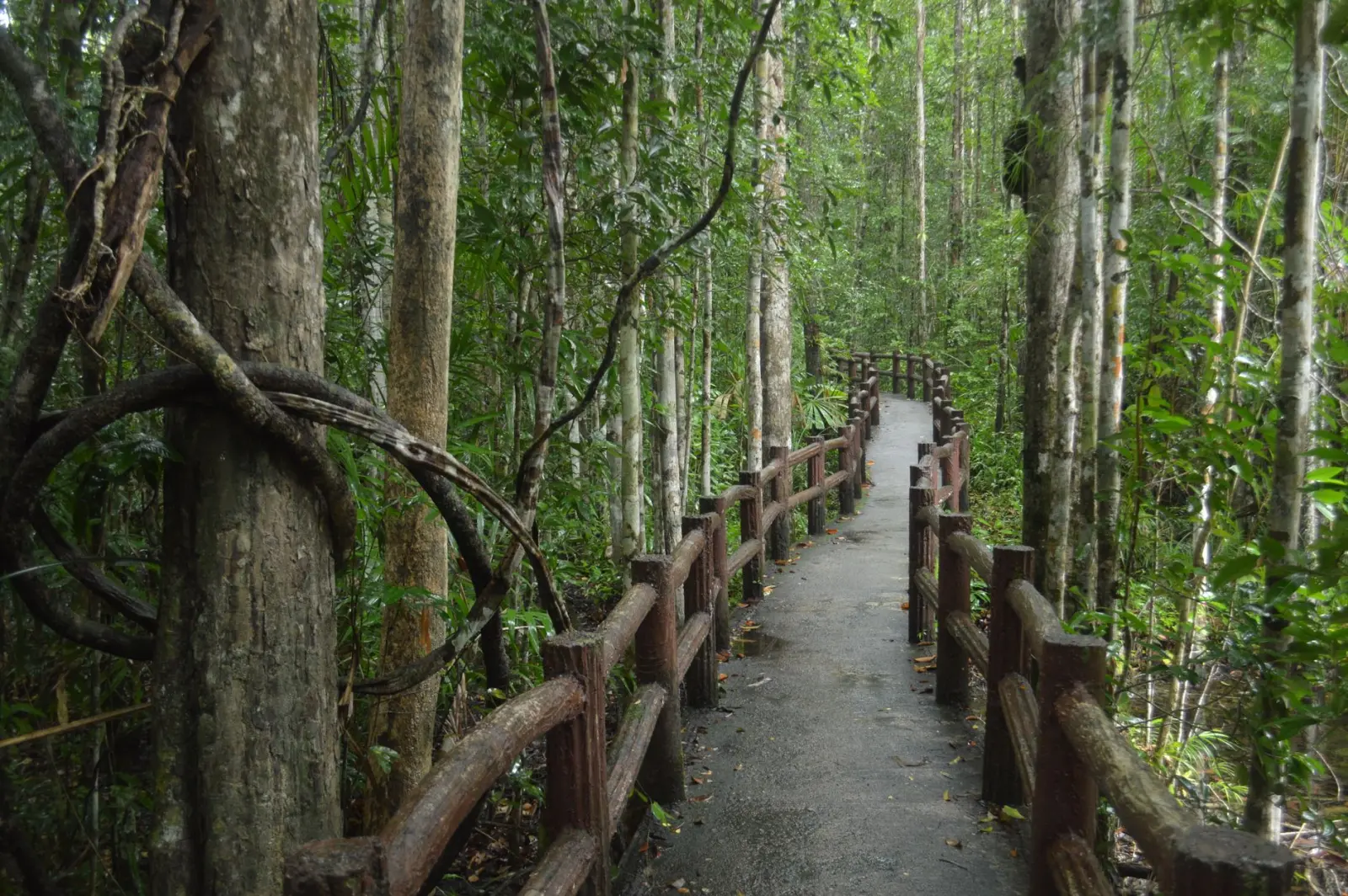
The physical reality of rainforest walking is worth acknowledging. The ground is uneven. Roots cross the path. In the wet season, mud is genuinely slippery, not just damp. Humidity sits at levels that make breathing feel deliberate. Most people manage fine, but the pace is slower than a casual walk on flat ground. A “2-kilometer walk” in the rainforest takes longer than you’d expect, and fatigue accumulates differently than it does on a beach or in a shopping center. Guides adjust their pace based on the group, but there’s a natural ceiling to how fast movement can be without losing the point entirely.
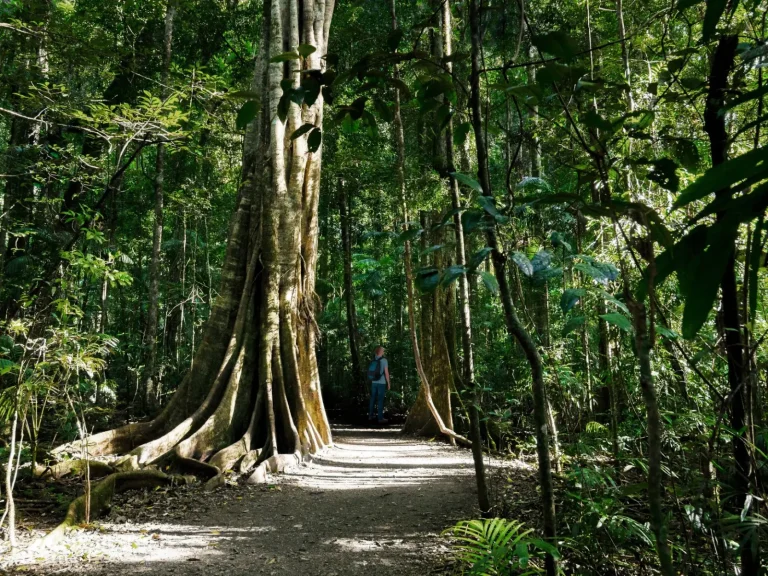
What guides actually look for during walks has little to do with the charismatic megafauna visitors hope to see. Crocodiles and cassowaries are rare enough that spotting them is genuinely lucky, not standard. Instead, experienced guides point out the architecture of the forest itself. The strangler figs that slowly kill their host trees. The buttress roots that anchor massive trees in shallow soil. The layers of vegetation and how each occupies a specific ecological niche. The insects and frogs that are far more numerous and often more interesting than the animals people came hoping to photograph. This shift in focus – from “what large animal will we see” to “how does this system actually work” – is often where the tour becomes memorable rather than just pleasant.
Wildlife Encounters and What They Actually Reveal
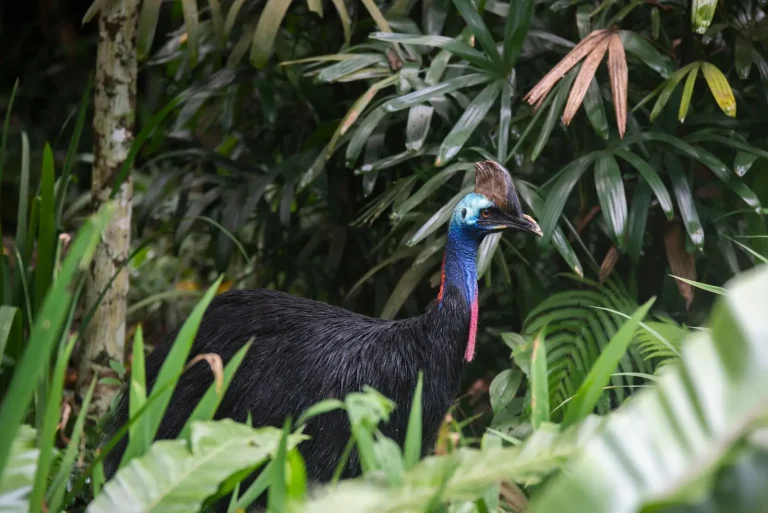
Cassowaries appear in the marketing for Cape Tribulation tours with almost religious frequency. These large, flightless birds are genuinely present in the area, but encounters are unpredictable. I’ve guided hundreds of people through the rainforest and seen cassowaries perhaps a dozen times. Most visitors never see one. When they do appear, the encounter is usually brief and from a distance. The bird is often more interested in moving away than in the humans watching. This isn’t a failure of the tour – it’s just the reality of wildlife. The marketing suggests something more frequent and intimate than the actual probability.
Smaller wildlife is more reliably observed. Tree snakes, various frog species, insects of remarkable diversity, and birds if you listen carefully and wait. A good guide knows where specific creatures tend to be found and what time of day increases the likelihood. But even then, visibility depends on weather, season, and genuinely random chance. Guides who promise specific animal sightings are either lying or very lucky. The honest ones frame it differently: “We’ll look for these things, and we might see them.”
Crocodile spotting tours operate separately from rainforest walks, usually on the Daintree River. These are genuinely reliable for seeing crocodiles, particularly saltwater crocodiles. The tours are brief – usually 1 to 1.5 hours – and conducted from boats. Crocodiles are present year-round, though they’re more active and visible in warmer months. The experience is straightforward and often more satisfying than rainforest walks for people specifically interested in seeing large animals. The river itself has its own appeal, with the landscape and vegetation creating a different sense of the tropical environment than the forest floor.
Coastal Stops and the Reality of Beach Time
Many guided tours combine rainforest walks with stops at nearby beaches. Cape Tribulation Beach itself is the most famous, and it’s worth seeing, but expectations often exceed reality. The beach is narrow, backed by rainforest, and genuinely beautiful in a wild, undeveloped sense. But it’s not a swimming beach in the conventional sense. The water is warm year-round, but the presence of saltwater crocodiles means swimming is restricted to designated areas, and even then, it’s not encouraged outside the cooler months when stinger season is less active. Most visitors wade rather than swim.
The beach serves better as a visual anchor – a place to stand and grasp the geography of where the rainforest meets the reef. Snorkeling is possible from some beaches, particularly around low tide, and the coral and fish are worth the effort. But snorkeling from a beach is different from snorkeling from a boat. Visibility is variable, access requires wading through shallow water, and the experience is more about spotting individual creatures than moving through a reef system. Tours that include snorkeling time usually allocate 30-45 minutes, which is enough to get a sense of what’s there but not enough for extensive exploration.
Timing, Seasons, and What Changes
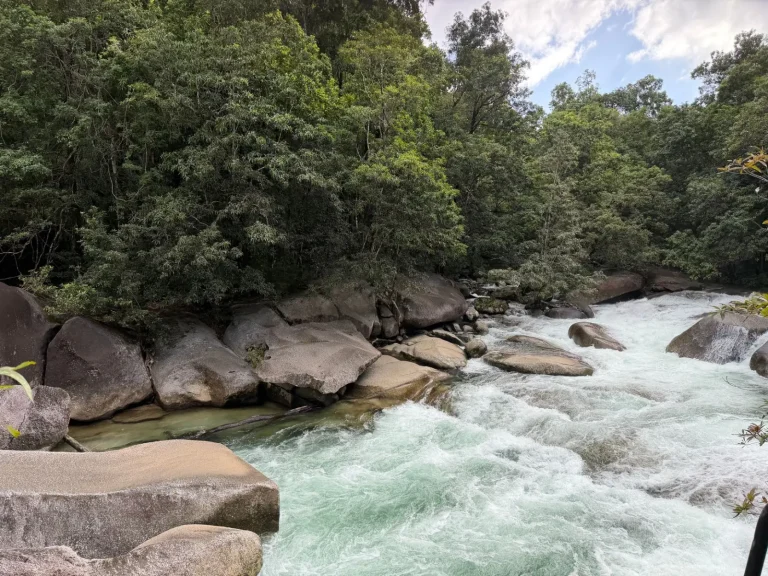
The wet season, roughly November through March, transforms the experience. The rainforest is lusher, water flows more dramatically, and insects are more abundant. But it’s also hotter, more humid, and rain can interrupt tours. Leeches are more active. The rivers swell, affecting boat access. Some tour operators reduce their schedule during this period, and some close certain trails temporarily after heavy rain. The dry season offers more reliable conditions, better visibility, and fewer insects, but the forest is less visibly dramatic.
Tour duration varies significantly. Half-day tours typically cover a rainforest walk and a beach stop, running 3-4 hours total. Full-day tours add more walking, sometimes a river cruise, and lunch. The difference is more than just time – it’s the depth of engagement. A half-day tour hits the highlights. A full-day tour allows for slower pace, more observation, and a better sense of the landscape’s complexity. Both have merit depending on what a visitor wants from the experience and how much time they have available.
Guides themselves vary in quality and approach. Some are naturalists who can explain ecological relationships and point out details most people would miss. Others are primarily logistics coordinators who move groups through the space efficiently. The best guides combine both – they manage the group and the schedule while also making the landscape feel worth paying attention to. Finding a guide with genuine knowledge of the area makes a measurable difference in what the tour becomes.
The reality of Cape Tribulation tours is that they deliver what they promise, but not always in the form visitors imagine. The rainforest is genuinely impressive, the wildlife is present if not always visible, and the coastal setting adds a unique dimension. The experience works best when expectations align with what the landscape actually offers: a complex, living system that reveals itself gradually to patient observation rather than a wildlife showcase or a scenic backdrop for photographs.