
Lake Eacham sits in the crater of an extinct volcano in the Atherton Tablelands, and the rainforest that surrounds it is genuinely old growth. Walking through it feels different from most Australian bushwalking because the vegetation is dense, the canopy is thick enough to matter, and the whole place has a particular kind of quiet that takes some adjustment. I’ve spent considerable time in these forests, and there’s a pattern to how people experience them that’s worth understanding before you arrive with expectations shaped by postcards.
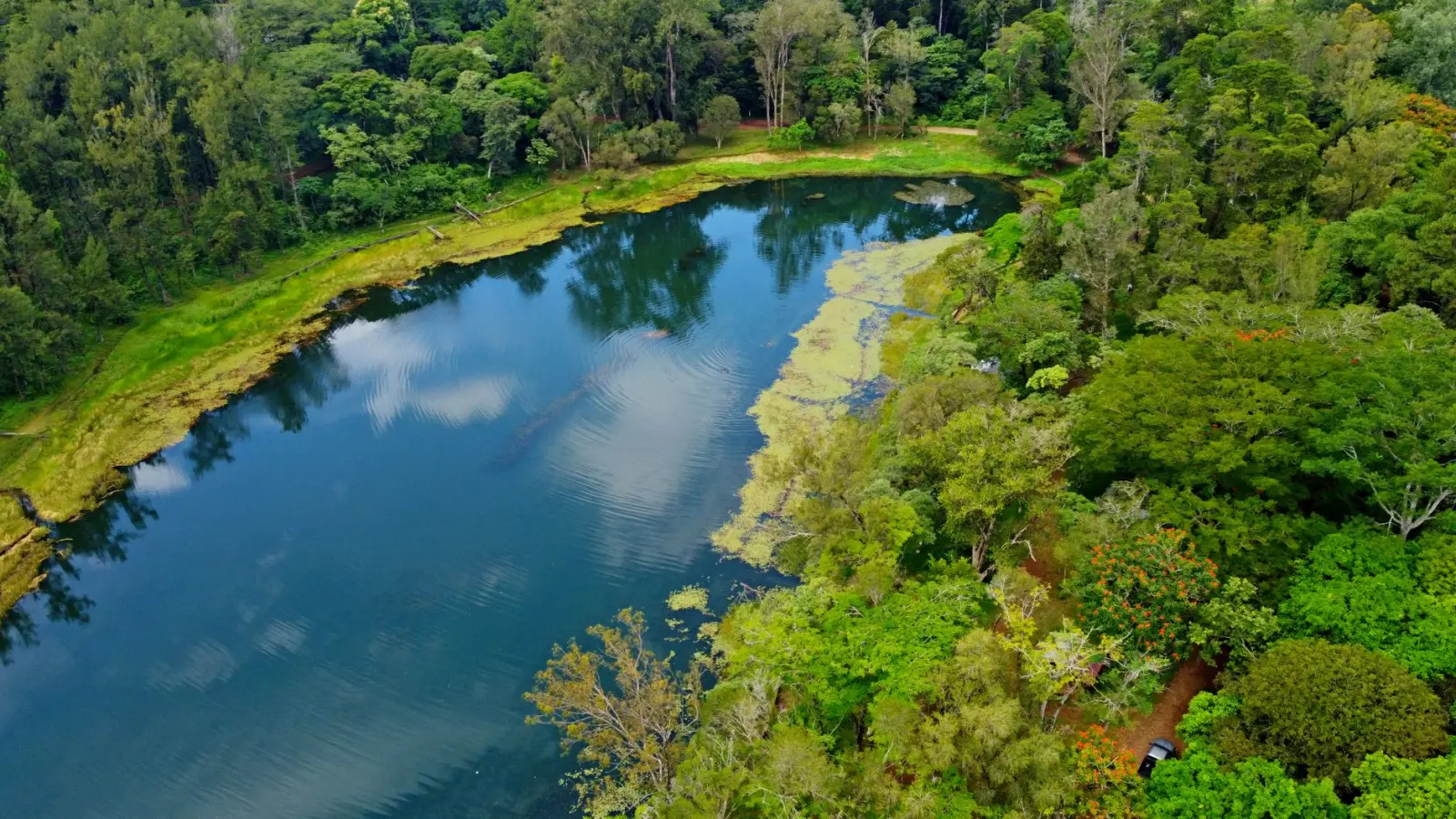
The lake itself is roughly circular, about 1.5 kilometres across, and there’s a walking track that loops most of the way around it. The full circuit is somewhere between 8 and 10 kilometres depending on which sections you include and how many detours you take. Most people do this in three to four hours at a moderate pace, though that assumes you’re not stopping frequently or dealing with the particular friction that rainforest walking introduces. The track is well-maintained and marked, which means it’s not technically difficult, but “easy” and “flat” are two different things in a rainforest environment.
The Physical Reality of Rainforest Walking
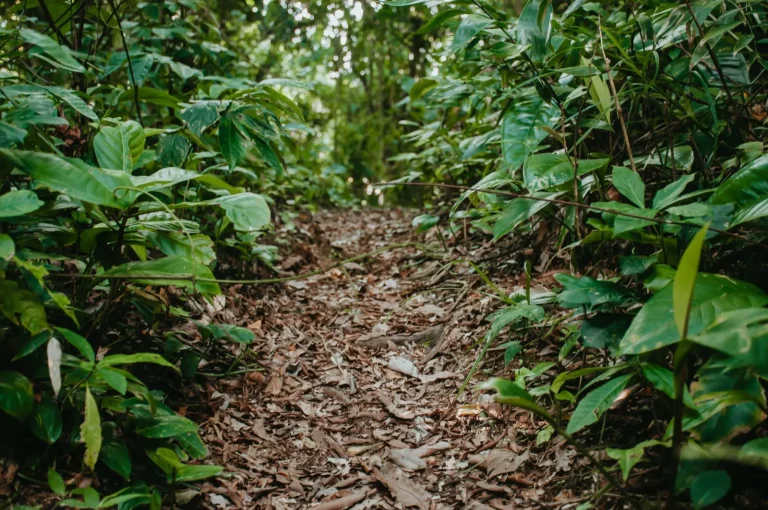
The ground under the forest canopy stays damp almost year-round, and after rain it becomes genuinely slippery. The soil is rich and dark, full of decomposing leaf matter, and tree roots cross the path frequently. You’re not scrambling or climbing, but your feet need constant attention. Wearing proper walking shoes with genuine grip matters more here than on many Australian trails. I’ve watched people in casual sneakers struggle significantly, not because the track is steep but because the footing is unpredictable. The humidity is another factor that catches people off guard. Even on days when the open air feels manageable, under the canopy the air is thick and still. Your clothes stick to your skin within minutes, and the effort required to move feels greater than the gradient would suggest.
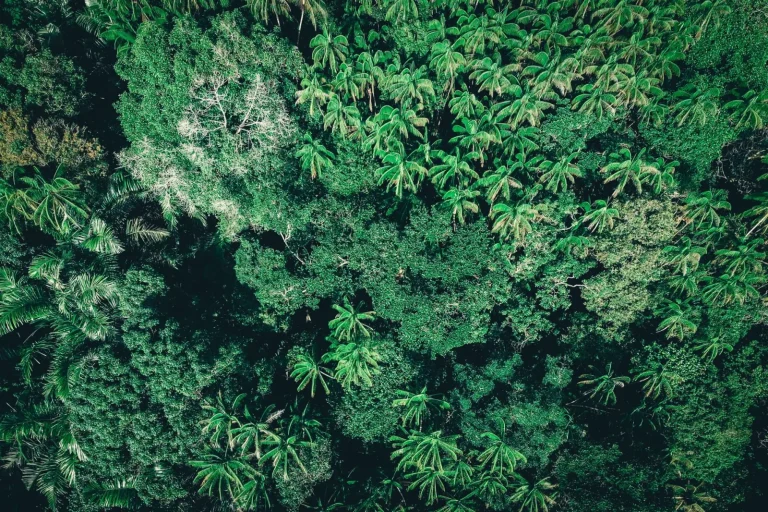
The canopy is so dense that it’s genuinely dark under the trees, even at midday. Your eyes take time to adjust, and this affects how you perceive the walk. Shadows are deep. The light that does reach the forest floor is green and filtered. Photography expectations often don’t match reality here. The place looks different to the human eye than it does in photographs, and that’s not a flaw in the location – it’s just how rainforests work.
Wildlife and What You’re Likely to Encounter
The forest is full of life, but most of it is small and makes noise before you see it. Brush turkeys scratch noisily through the leaf litter. Various bird species call from the canopy, and if you’re patient and quiet, you’ll see them moving through the trees. The cassowaries that live in this region are real, and they do sometimes cross the walking track, but encounters are uncommon. People often ask about them with a mixture of hope and anxiety. The reality is that they’re shy, they avoid humans when possible, and the track is well-used enough that they tend to move away from it. Seeing one is genuinely rare, not impossible, but rare.
Smaller wildlife is constant. Insects are everywhere. Mosquitoes are present but not usually overwhelming, though this varies by season and recent rainfall. Leeches appear in the wetter months, particularly after heavy rain. They’re not dangerous, but they’re unpleasant, and if you’re walking in wet season conditions, long socks and leech repellent are practical choices. I’ve seen people panic about them, which is understandable but disproportionate to the actual risk.
Seasonal Variation and Timing
The dry season, roughly May through September, is when the forest is most accessible and most comfortable. The track is less slippery, the humidity is lower, and the insect pressure is reduced. Temperatures are mild, typically in the mid-20s Celsius. This is when most visitors come, and it’s also when the track is busiest. You’ll encounter other walkers regularly, which changes the experience. The forest feels less isolated, more like a managed attraction.
The wet season brings different conditions. The forest is greener, more lush, and visually more dramatic. But the track becomes genuinely slippery, the humidity is high, and insects are more active. Walking in the wet season is possible and worthwhile if you’re prepared for it, but it requires different expectations and more care. The walk takes longer because you move more slowly on wet ground. Visibility can be reduced during or immediately after rain. Most casual visitors avoid this period, which means the forest feels quieter and more like a genuine wilderness experience.
The Lake Itself and Access Points
The lake is clear and cold, fed by underground springs. There’s a swimming area at the main access point, and the water is genuinely refreshing, particularly after walking in the humidity. Some people time their walk to finish at the swimming area and cool off before leaving. This works well in practice, though the water temperature is a shock if you’re not expecting it.
There are multiple entry points around the lake, which gives you options for how to structure your walk. You can do the full circuit, or you can walk out and back from one point, or you can do a partial loop. The main car park and facilities are at the northern end, where the swimming area is located. This is where most people start, and it’s where the track is most developed and most crowded.
The walk is rewarding without being dramatic. It’s not a peak experience or a challenging bushwalk. It’s a solid few hours in an old rainforest with a lake, and the value of it comes from the quiet, the density of the vegetation, and the particular character of this specific place. People often arrive expecting something more visually spectacular than what they find, which is a common mismatch between expectation and reality in Australian bushwalking. The forest around Lake Eacham is genuinely interesting if you’re interested in rainforest ecology and willing to walk slowly enough to actually observe what’s happening around you.