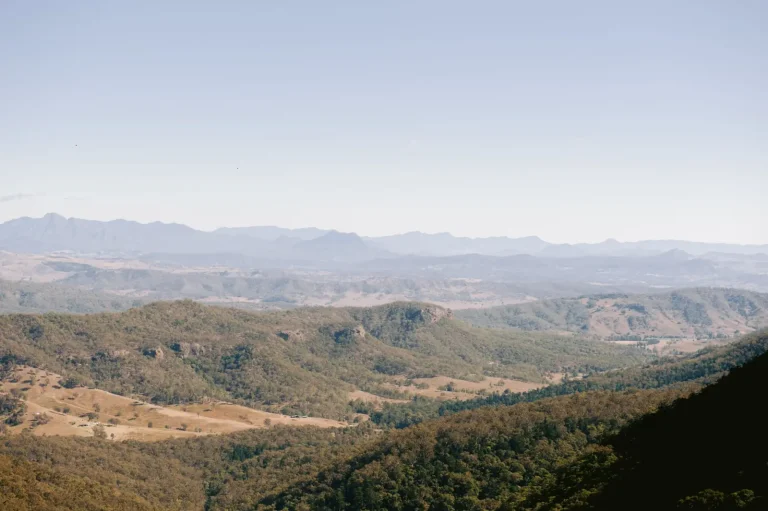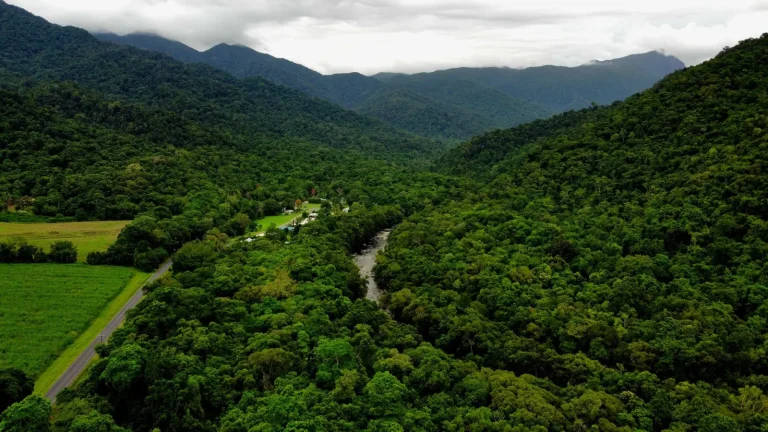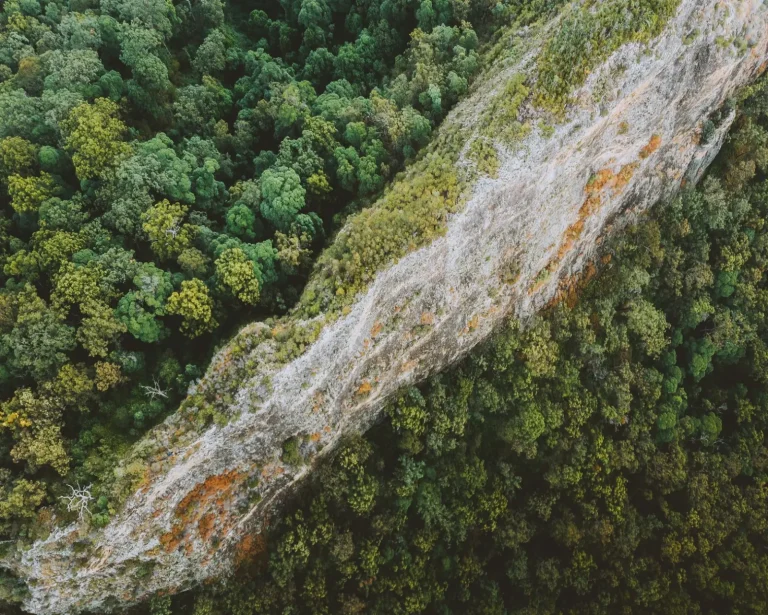

Barron Gorge National Park sits in the rainforested ranges inland from Cairns, and it’s one of those places that looks modest on a map but demands more respect than visitors often bring. I’ve spent considerable time moving through the gorge and the surrounding country, and what strikes me most is how the park’s character shifts depending on when you arrive and how prepared you actually are for the terrain.
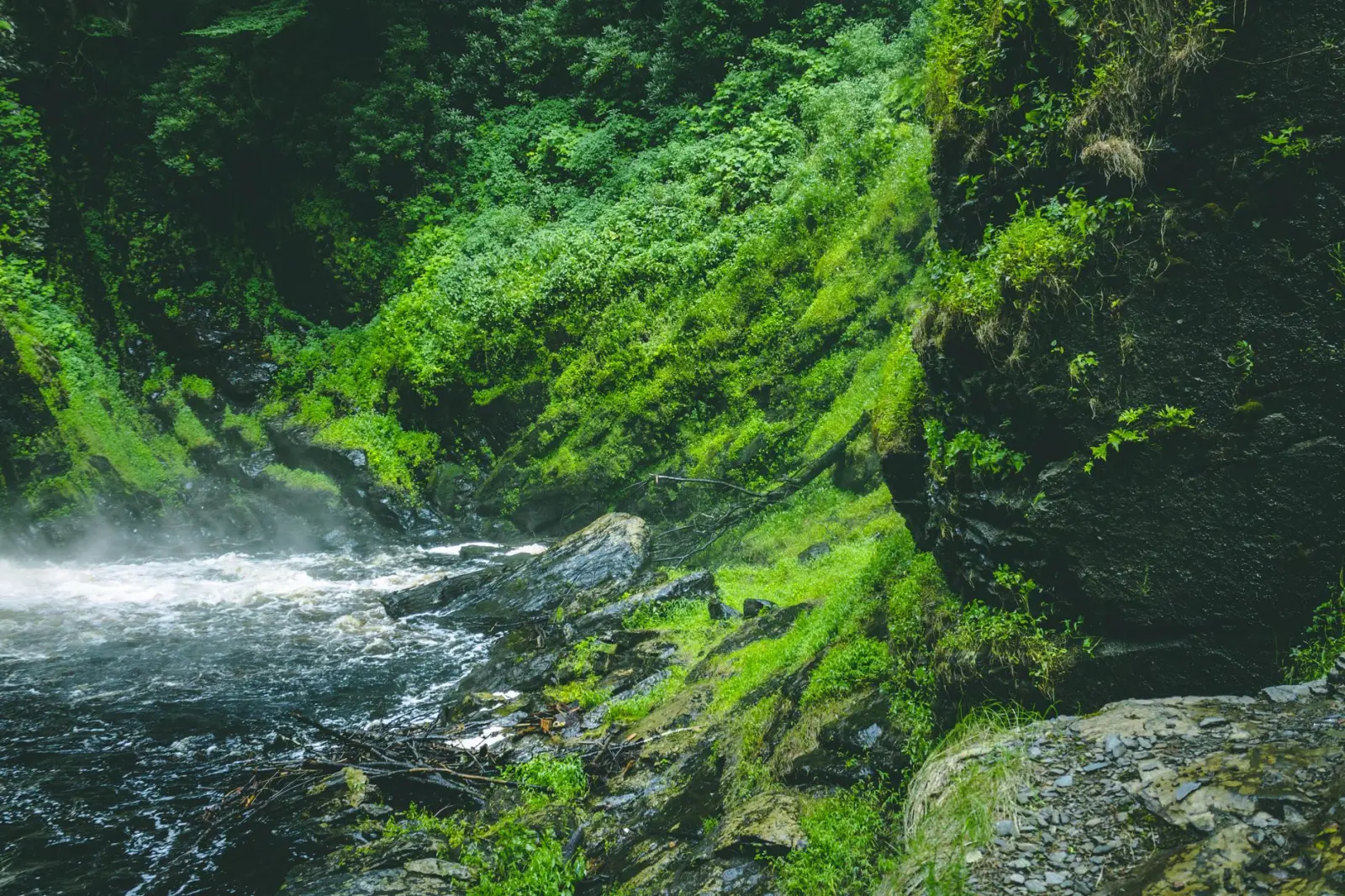
The gorge itself is narrow, steep-sided, and carved by the Barron River as it drops toward the coastal plain. The rock is ancient granite and metamorphic material, weathered unevenly, which means the walking surface is unpredictable. Some sections have been worked into reasonable tracks; others are essentially scrambles over boulders and exposed bedrock. The rainforest canopy overhead is dense enough that even in the middle of the day, light filtering through feels dim. This matters more than it sounds because it affects how quickly you can move and how accurately you can judge distance and footing.
Seasonal Realities
The wet season here runs roughly November through April, and the park transforms during those months in ways that aren’t immediately obvious from a distance. The Barron River swells significantly, and what might be a manageable crossing in the dry season becomes impassable. I’ve seen the river rise two or three meters overnight after heavy rainfall in the ranges above. The tracks themselves become slick with algae and mud, and loose rocks shift more easily underfoot. Humidity sits at uncomfortable levels, and the insect pressure increases substantially.
The dry season – May through October – is genuinely the only reliable window for serious exploration. Even then, early morning starts are essential. The heat builds quickly once the sun reaches the canopy gaps, and the lack of shade means you’re working in either dim light or intense direct heat depending on where you are in the gorge. Water sources exist, but they’re not evenly distributed, and relying on finding water as you go is a gamble that tends to end badly.
Access and Movement
Getting into the gorge itself requires some navigation. The main entry point is accessible from the Kuranda Range Road, but the actual trailhead can be unclear if you’re not familiar with the area. Once you’re on the track, progress is slow. The terrain doesn’t allow for sustained walking rhythm. You’re constantly managing rocks, roots, and stream crossings. A distance that might take 30 minutes on a normal trail can easily consume two hours here. This is crucial for planning because people consistently underestimate time, and underestimating time in a remote gorge where daylight matters is a real problem.
The river itself is a constant presence and a constant variable. In the dry season, it’s manageable – crossings are possible, though wet feet are guaranteed. In the wet season or after rain, it becomes a serious barrier. I’ve turned back from objectives multiple times because water levels made the next crossing unsafe. There’s no shame in that decision, but it requires making it while you still have enough daylight and energy to exit safely.
What the Environment Actually Demands
The rainforest here is not a gentle environment. Leeches are present year-round but more aggressive in the wet season. Mosquitoes and sandflies are relentless. The humidity creates its own fatigue – your body works harder to cool itself, and dehydration creeps up faster than you’d expect. I’ve seen fit people hit a wall around mid-afternoon simply because they underestimated the metabolic cost of moving through this terrain in this climate.
The rock itself is sharp. Granite weathering produces edges that cut through skin easily. Proper footwear is non-negotiable; trail runners or lightweight hiking boots with good ankle support are standard. Sandals or minimalist shoes will leave you injured. The same applies to protection – long sleeves and pants aren’t just about sun; they’re about protecting skin from the vegetation and rock.
Visibility in the gorge is limited, and the light quality is strange. Your eyes take time to adjust to the low light under the canopy, and shadows can obscure obstacles. Headlamps or powerful flashlights are useful even during the day if you’re moving into deeper sections. Navigation by GPS is helpful, but the gorge’s walls and dense vegetation can affect signal reliability.
Who Actually Comes Here
The park doesn’t attract the volume of visitors that somewhere like Lamington or the Daintree does. This is partly because access is less obvious, partly because the rewards are less immediately photogenic, and partly because it’s genuinely harder work. The people who do come tend to be either locals who know the area well or experienced bushwalkers. Day-trippers are less common, which means the track doesn’t receive the maintenance that higher-traffic parks do.
Wildlife is present but not particularly visible. You’ll see birds, and if you’re quiet and patient, you might encounter wallabies or other macropods near dawn or dusk. Snakes exist but are rarely encountered. The park is home to various frog species, and their calls are often the most obvious sign of animal life.
The real value of Barron Gorge is in the sense of remoteness and the physical engagement with the landscape. It’s not a destination for casual visitors or for people seeking an easy walk with dramatic views. It’s a place where the effort required is proportional to what you get out of it. The gorge itself is genuinely beautiful, but that beauty is only fully appreciated if you’re willing to move slowly, pay attention to the terrain, and accept that you’ll be tired, wet, and probably uncomfortable at some point during the day.
If you’re considering a visit, go during the dry season, start early, carry more water than seems necessary, and be honest about your fitness and experience level. The park will reward careful planning and realistic expectations. It will punish overconfidence and poor preparation with the kind of discomfort that lingers in memory.