
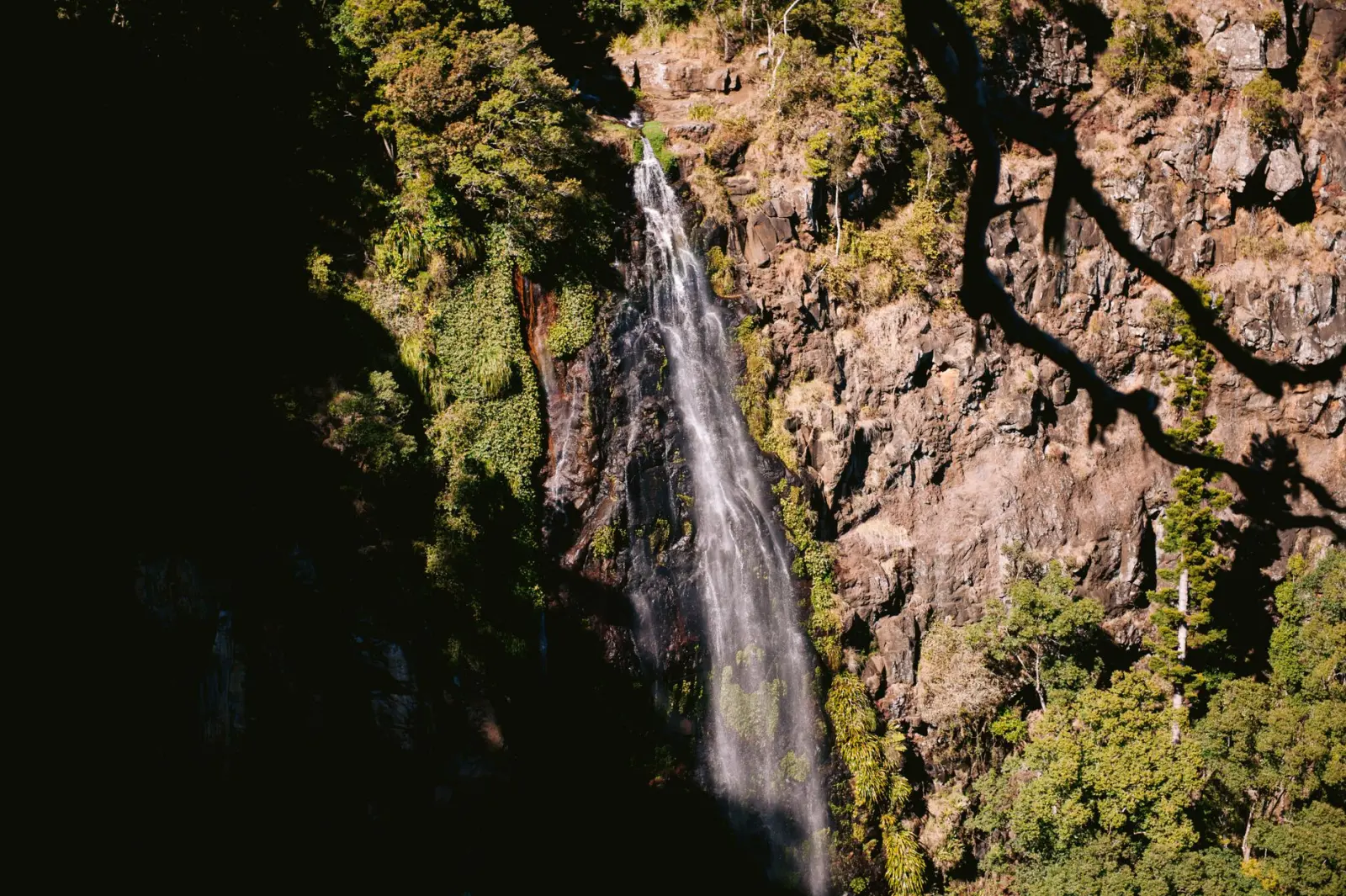
Lamington National Park sits on the Queensland-New South Wales border with a particular kind of rainforest that attracts a specific subset of Australian fauna. After spending considerable time moving through these forests, you begin to notice patterns in where animals actually spend their time and when you’re likely to encounter them. The park’s elevation – ranging from about 600 to 1,200 metres – creates conditions that support species you won’t find in lowland rainforests, and this altitude shift matters more than most visitors realise.
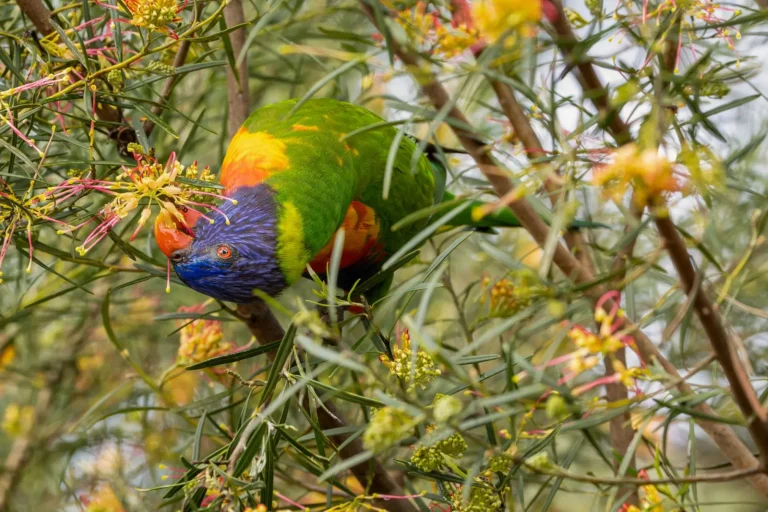
The most visible residents are the birds, and this is where most people’s wildlife experience in Lamington begins and often ends. The rainforest here supports around 150 bird species, but what you’ll actually see depends entirely on the time of day and season. Early morning walks, particularly between 5 and 7 a.m., yield the most activity. The Australian brush turkey moves through the forest floor year-round, and you’ll notice their scratchings in the leaf litter long before you see the bird itself. Lyrebirds are present but elusive; their calls are distinctive enough that you’ll hear them far more often than you’ll observe them. The smaller honeyeaters – yellow-faced, white-eared, and various lorikeet species – move through the canopy in loose flocks, and their activity increases noticeably during flowering periods.
Mammals: Present but Not Always Obvious
The mammal fauna here is where expectations often diverge from reality. Visitors arrive hoping for encounters with koalas, and while they do inhabit the park, spotting one requires either luck or knowledge of specific trees and timing. The eucalypts scattered through the rainforest edge are where koalas spend their time, not deep in the rainforest proper. Early morning or late afternoon increases your chances, but even then, a koala might be motionless in a tree for hours. I’ve walked directly beneath one without noticing it until someone pointed upward.
Wallabies are far more common than koalas and considerably easier to observe. The parma wallaby, a small species, moves through the forest in small groups, particularly in areas where the understory opens up. You’ll encounter them most reliably in early morning or near dusk. Brush possums are nocturnal and common, though most visitors never see them because they don’t walk the park at night. The brushtail possum’s presence is more often confirmed by their droppings and the sound of movement in the canopy after dark than by actual sightings.
Platypuses inhabit the mountain streams, and this is one of the few places in Queensland where they occur. The creeks that flow through the park have suitable habitat – cool, clear water with good riparian vegetation. However, spotting a platypus requires patience and luck. They’re most active at dawn and dusk, and they spend much of their time underwater or in burrows. I’ve visited streams where platypuses are known to occur and seen nothing but their feeding signs – small excavations in the creek bed where they’ve been searching for invertebrates.
Reptiles and Amphibians in the Wet Zones
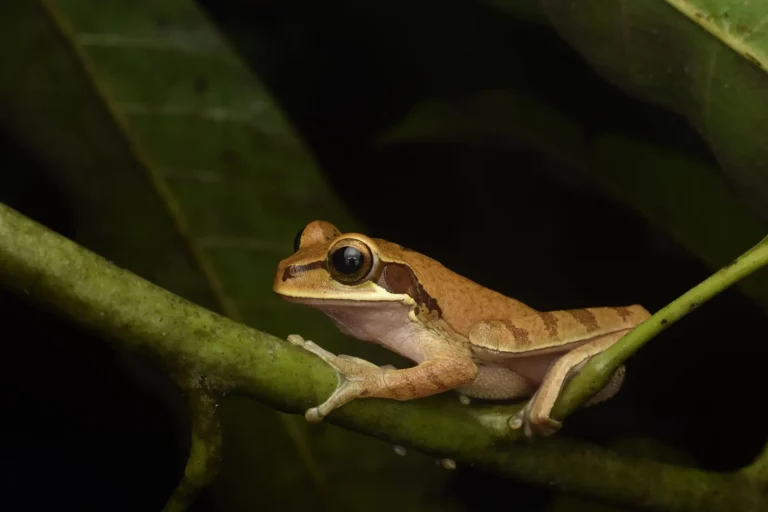
The cooler, wetter conditions at Lamington’s elevation support a range of frogs and reptiles that thrive in this environment. The rainforest is particularly rich in frog species, and their calls are often the dominant sound in the forest, especially during breeding season. The whirring call of the Eastern Sedge Frog becomes almost constant in wetter areas after rain. Several species of tree frogs inhabit the canopy and mid-storey, and they’re more often heard than seen. Spotting a frog requires either deliberate searching at night with a torch or simply stumbling upon one during the day when they’re sheltering in vegetation.
Snakes are present but encounters are rare. The carpet python is the most common large snake in the park, and they’re generally inoffensive. Small-eyed snakes and other species occur here, but most visitors spend days in the park without seeing a single snake. This isn’t because they’re absent; it’s because they’re cryptic and actively avoid areas of heavy foot traffic. The presence of snakes is usually confirmed by sightings of shed skin or accounts from other visitors rather than direct observation.
Lizards are more frequently encountered, particularly the larger species like the lace monitor, which can reach considerable size. They’re most active on warmer days and tend to move through the forest floor or along fallen logs. The smaller skinks and other lizard species are present in high numbers but easily overlooked because of their size and speed.
Invertebrates: The Overlooked Majority
The invertebrate fauna is where the real biodiversity lies, though this is where most casual visitors stop paying attention. Insects, spiders, and other arthropods make up the vast majority of animal species in the rainforest, and they’re responsible for most of the ecological function. Butterflies are visible and relatively easy to observe, particularly in areas where the canopy opens and light reaches the forest floor. The diversity of butterfly species here is significant, and different species appear in different seasons and at different elevations within the park.
Spiders are abundant and diverse, and many are large enough to be noticeable. The orb-weaving spiders construct visible webs in the understory, and huntsman spiders are common in the forest. Most are harmless to humans, but their presence is worth noting because they’re indicators of healthy invertebrate populations. If you’re seeing spiders regularly, it means there’s sufficient prey to support them, which indicates a functioning ecosystem.
The leaf litter and rotting logs support an enormous diversity of invertebrates that most people never observe. Beetles, millipedes, centipedes, and countless other arthropods work through the decomposition process. This layer of invertebrate activity is fundamental to the forest’s nutrient cycling, and it’s invisible to most visitors unless you deliberately turn over logs or sift through leaf litter.
Seasonal Variation and Practical Observation
Wildlife activity in Lamington varies considerably with season. Spring and early summer bring increased bird activity as breeding season approaches. Autumn tends to be quieter, though certain species remain active. Rainfall patterns influence visibility – after heavy rain, many animals shelter, but the subsequent period often sees increased activity as animals emerge to feed. The cooler months see different species patterns than the warmer months, though the park’s elevation means it rarely becomes extremely hot.
The practical reality of wildlife observation here is that patience and timing matter far more than effort. A two-hour walk at dawn in the right location will yield more wildlife sightings than a full day of walking at midday. Understanding where animals are likely to be – water sources for mammals, flowering trees for birds, open areas for wallabies – increases your chances of encounters. Most importantly, moving quietly and slowly allows animals to remain unaware of your presence, which is when you see them behaving naturally rather than fleeing.