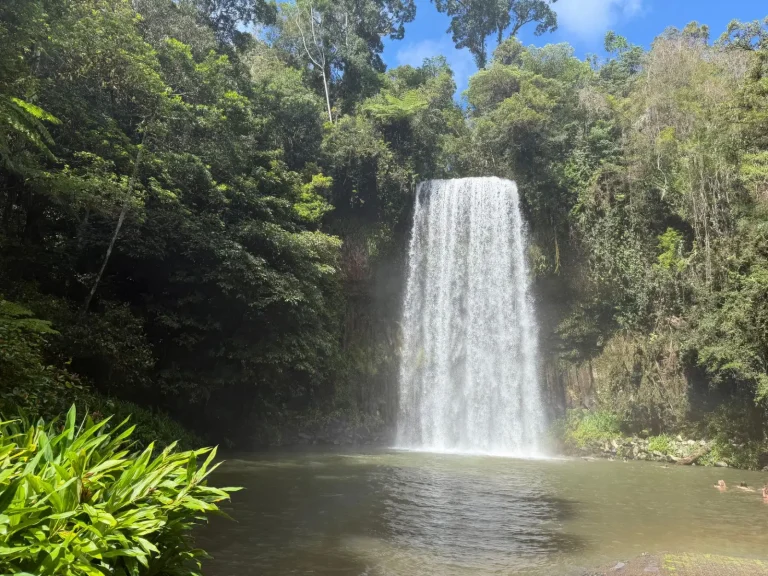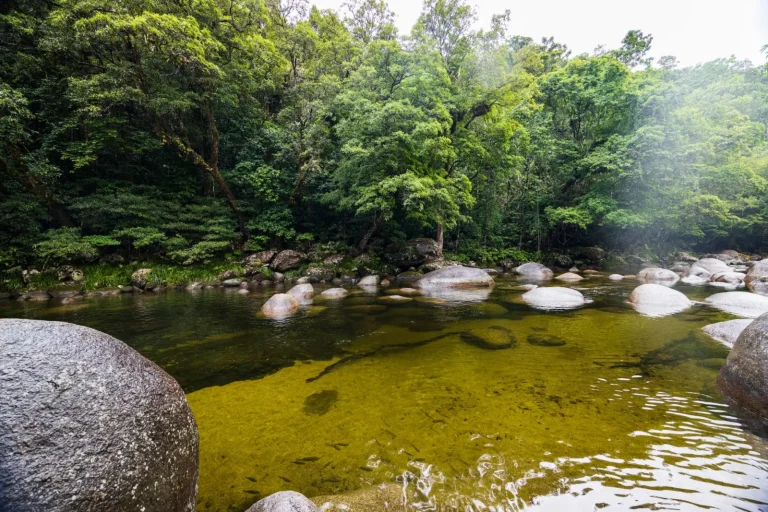

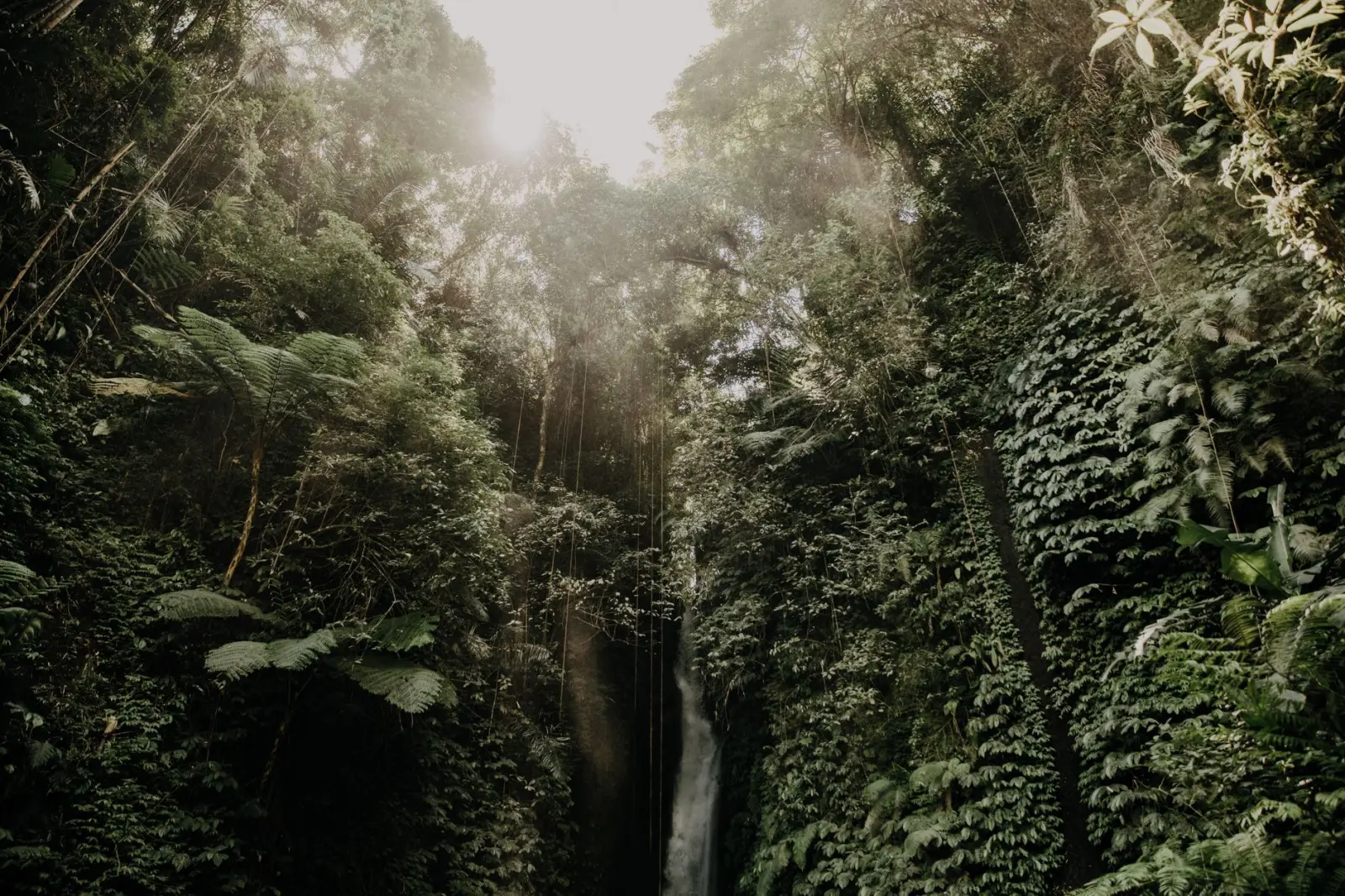
Springbrook National Park sits in the Gold Coast hinterland, and its waterfalls are the reason most people make the drive up into the rainforest. I’ve visited across different seasons and times of day, and there’s a significant gap between what the brochures promise and what you actually encounter when you arrive. The waterfalls themselves are genuine – the water flows, the pools exist, and the rainforest setting is real. But the experience varies wildly depending on when you go and what you’re prepared for.
The park has three main waterfall walks, and they’re often lumped together as if they’re equivalent experiences. They’re not. Each has its own character, different water volumes depending on recent rainfall, and distinct crowd patterns. Understanding these differences matters because a waterfall that looks spectacular in photos can feel underwhelming in person if you hit it at the wrong time, and conversely, a modest-looking cascade can be genuinely impressive if conditions align.
The Reality of Water Flow
Water volume is the first thing people notice, and it’s entirely dependent on rainfall in the preceding days. After heavy rain, the waterfalls are powerful and the pools are full. After a dry spell, some of the smaller cascades become thin ribbons of water, and the pools shrink noticeably. This isn’t a minor detail – it changes whether you can actually swim, whether the water looks inviting, and whether the whole trip feels worthwhile.
The park’s elevation means it catches moisture, so it’s wetter than the coastal areas below, but that doesn’t mean there’s always abundant water flowing. I’ve been there after a week without rain and seen disappointed visitors standing in front of what amounts to a trickle. The park doesn’t publish real-time water flow data in any reliable way, so you’re working with incomplete information. Checking recent weather patterns before you go is practical, but even that’s imperfect. A thunderstorm two hours away can change things dramatically.
Spring and early summer tend to have more reliable water volume because of seasonal rainfall patterns, but this also means more visitors. Winter can be dry, and summer brings intense heat on the approach walks. There’s no perfect time – you’re always trading something off.
Walking Conditions and Fatigue
The walks themselves are not technically difficult, but they’re more physically demanding than casual visitors often expect. The terrain is uneven, there are steps – some steep, some slippery – and the rainforest environment means humidity and heat even when temperatures are moderate. A walk listed as “easy” or “moderate” online might feel strenuous if you’re not accustomed to uneven ground or if you’re carrying children or older family members.
The ground stays damp from the rainforest canopy, even days after rain. This means the rock surfaces and tree roots are slick. I’ve watched people lose their footing on what they thought was a simple step. Proper footwear makes a real difference – thongs or casual sneakers are not adequate. The walks are short in distance, but the conditions compress the effort into a smaller space.
Crowds accumulate at the main viewing areas and pools. On weekends and school holidays, you’re sharing the space with dozens of other people. This affects the experience in subtle ways: you can’t move freely, you’re waiting for others to finish photos, and the sense of being in nature diminishes. Weekday visits, especially mid-week, are noticeably quieter. Early morning helps, though the park fills up by mid-morning even on quieter days.
The Swimming Question
Not all the pools are suitable for swimming, and this matters if that’s part of your plan. Some are shallow and rocky, others have underwater obstacles or unstable banks. Water temperature varies by season and recent conditions. Even when the water looks inviting, it can be colder than expected, and the shock can be significant for people not accustomed to cool water immersion.
The pools that do work for swimming fill up quickly on warm days. If you want to actually get in the water rather than stand around waiting, timing becomes critical. Late afternoon can be quieter, but the light fades and the water temperature drops further. There’s a narrow window where conditions are genuinely pleasant for swimming.
Practical Logistics
The park has limited parking, and on busy days, the main lots fill up. This can mean parking further away and walking additional distances before you even start the official walks. The facilities – toilets, water, shade – are basic. There’s no food available in the park itself, so you need to bring supplies. The walks don’t have much shade, so sun exposure is real even under the rainforest canopy, especially on the approach sections.
Mobile reception is patchy. If you’re relying on GPS or expecting to share photos in real-time, you’ll find that unreliable. The walks are well-marked, so getting lost is unlikely, but the lack of connectivity can feel isolating, which some people find refreshing and others find frustrating.
The drive from the Gold Coast takes 45 minutes to an hour, depending on traffic and which section of the park you’re visiting. This means the visit requires a half-day commitment minimum. Many people underestimate the logistics and end up feeling rushed or disappointed because they didn’t allocate enough time for the actual experience.
Springbrook’s waterfalls are worth visiting, but they’re best approached with realistic expectations. The water flows, the rainforest is genuine, and the walks are accessible to most people. But the experience depends heavily on timing, weather, and how you prepare. The visitors who seem most satisfied are the ones who’ve checked recent conditions, arrived early or on quieter days, and came prepared for uneven terrain and variable water levels. The disappointment usually comes from treating it as a quick tourist stop rather than a proper half-day outing that requires some planning and physical effort.