
The rainforest around Kuranda operates on its own schedule, and that schedule rarely aligns with what you imagined before arriving. I’ve spent enough time moving through this landscape to know that the difference between a manageable afternoon and a genuinely difficult one often comes down to decisions made before you even leave the main village. Humidity, insect activity, trail conditions, and your own energy reserves all shift throughout the day in ways that matter more than most visitors anticipate.
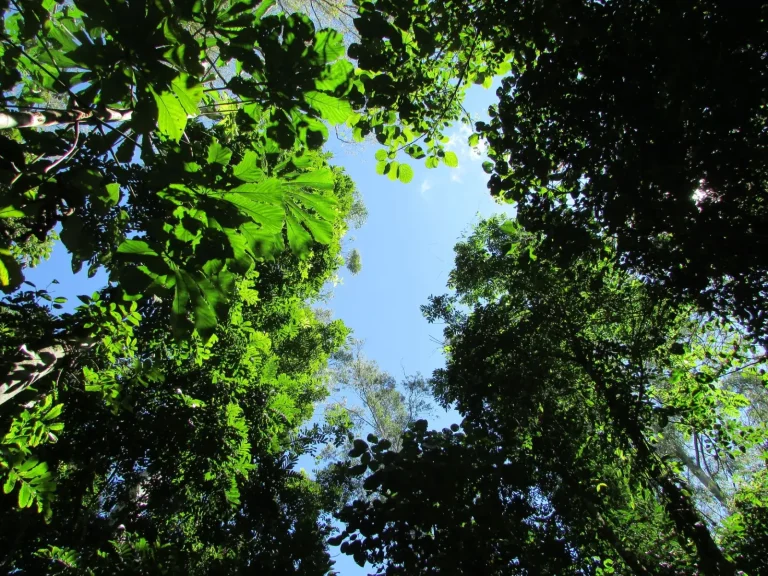
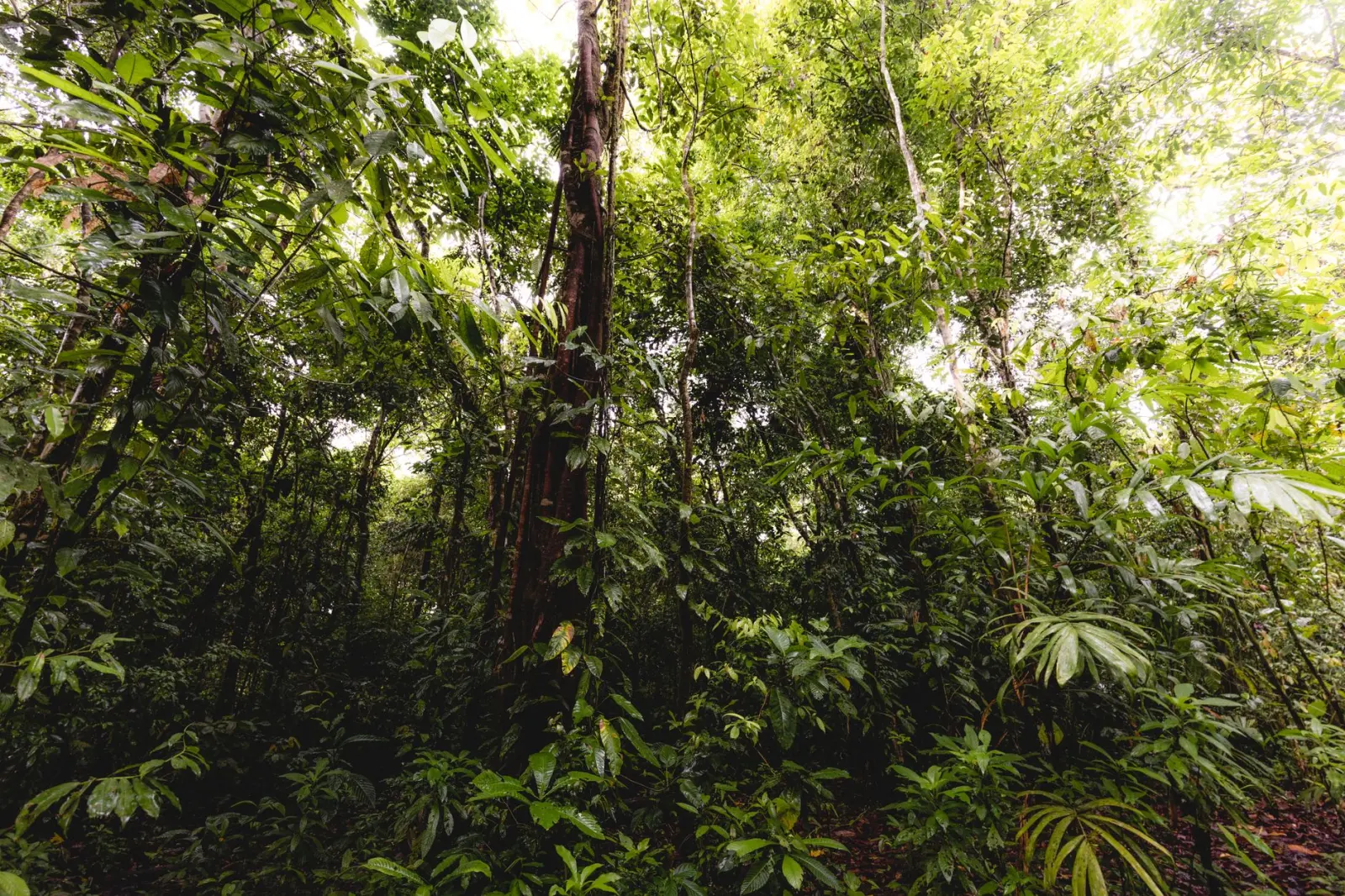
Kuranda sits in Far North Queensland, roughly 25 kilometers inland from Cairns, nestled into rainforest that has been here for millions of years. The village itself is small and walkable, but the forest surrounding it is the real draw. What catches people off guard is how quickly the managed village environment gives way to genuine wilderness. There’s no gradual transition. You step off a main path and within minutes you’re in canopy that blocks most direct sunlight, surrounded by vegetation that is actively growing and competing for space.
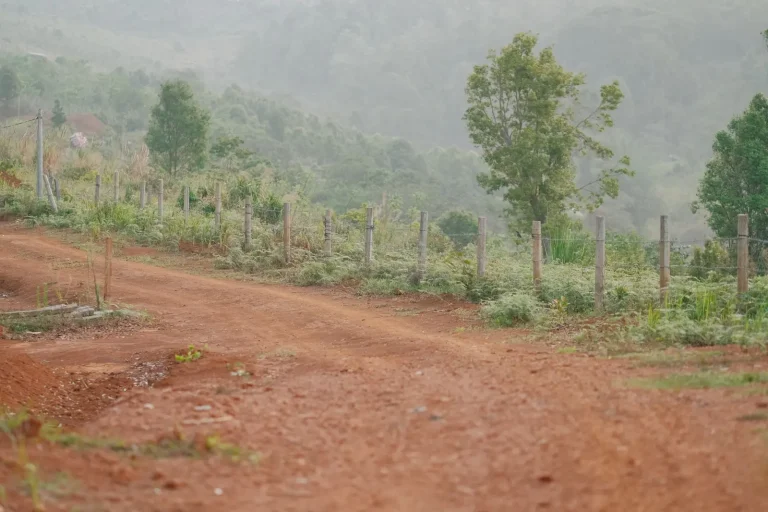
The most commonly walked routes around Kuranda are the Barron Falls circuit and the various tracks that branch toward the Rainforest Gardens and beyond. These paths are maintained, but “maintained” in a rainforest context means something different than it does elsewhere. A track that was clear three weeks ago can be overgrown again, especially during the wet season. Vines regrow, leaf litter accumulates, and the forest floor becomes slippery without warning. This isn’t a sign of poor upkeep – it’s simply the nature of tropical rainforest. The vegetation here grows fast enough that you can almost watch it happen.
Timing and Heat Management
Starting early matters more than people realize. The temperature differential between 7 AM and 11 AM is significant, but it’s not just about comfort. The humidity is actually lower in early morning, and insects are less active. By mid-morning, the heat begins to build and the air becomes heavier. By afternoon, moving through the forest becomes a genuine physical effort. Your body is working harder to cool itself, your sweat doesn’t evaporate efficiently, and fatigue sets in faster than it would in a drier climate.
Most visitors underestimate how much water they need. A two-hour walk in this environment can require three to four liters if you’re moving at a normal pace. The forest canopy creates a false sense of coolness – you’re in shade, so you don’t feel the sun directly – but the heat is still accumulating in your body. Dehydration creeps up quietly. You don’t realize you’re thirsty until you’re already depleted. I’ve watched people who were confident at the start of a track become noticeably slower and less coordinated by the end, and it’s almost always hydration-related.
Route Selection and Realistic Distances
The distance markers on official trails are accurate, but they don’t account for terrain variation. A three-kilometer walk on a well-maintained path in a temperate forest might take 45 minutes. The same distance through Kuranda rainforest, with elevation changes, root systems to navigate, and occasional muddy sections, takes closer to 90 minutes. If you add photography stops or wildlife observation, you’re looking at two to two-and-a-half hours. Plan accordingly, and don’t assume you can chain multiple tracks together in a single day without consequences.
The Barron Falls walk is the most popular for good reason – it’s accessible, the payoff is clear, and the infrastructure is solid. But it’s also the most crowded, especially between 10 AM and 2 PM. If you want a quieter experience, the lesser-known branches toward the upper rainforest sections require more navigation awareness but offer genuine solitude. These aren’t dangerous, but they do demand that you pay attention to where you are and where you’re going. Marked trails are marked, but they’re not always obvious, and it’s possible to take a wrong turn without realizing it until you’ve walked for 20 minutes.
Physical Demands and Footwear
Proper footwear is non-negotiable, and I mean that without exaggeration. The forest floor is uneven. Tree roots cross paths at ankle height. Rocks are often slippery with moisture and algae. Waterproof hiking boots with good ankle support aren’t optional – they’re the baseline. Sneakers or light trail shoes will work for the main, well-maintained tracks, but they offer no protection if you slip or step awkwardly. The rainforest doesn’t cause injuries through drama; it causes them through small missteps that wouldn’t matter on flat, dry ground.
The elevation changes are gradual but cumulative. You don’t feel like you’re climbing much, but by the time you’ve gained 200 meters over a few kilometers, your legs know it. Descents are harder on knees and hips than most people expect, especially when the ground is wet. If you have any knee issues or lower-body concerns, choose flatter routes and be realistic about how far you can push.
Wildlife, Insects, and Practical Precautions
The rainforest around Kuranda is alive with animals, most of which you won’t see. Birds are constant – the soundscape is remarkable – but they keep their distance. Cassowaries exist in the area, though encounters are rare if you’re on maintained tracks. The real presence you’ll notice is insects. Mosquitoes are manageable if you use repellent, but march flies and other biting insects are more aggressive. They’re attracted to movement and sweat, so you can’t entirely avoid them, but long sleeves and long pants reduce exposure significantly. Yes, it’s hot, but it’s hotter to be bitten repeatedly and then deal with the itching for days afterward.
Leeches appear during and after rain. They’re not dangerous, but they’re uncomfortable and persistent. Salt or insect repellent will make them detach, but the best approach is prevention – check your legs and arms regularly if you’ve been walking in wet conditions. Spiders are present and sometimes large, but they’re not aggressive. Snakes exist but are genuinely rare on walked trails. The forest is not dangerous in a predatory sense; it’s just an environment where you need to be aware and take basic precautions.
Weather and Seasonal Variation
The wet season runs from November through March, and during this time the rainforest is at its most intense. Trails become muddy, visibility is reduced by heavier moisture in the air, and insects are more abundant. The dry season is easier to navigate, but “dry” is relative – humidity is still high, and afternoon rain showers are common even outside the official wet season. Check the forecast, but don’t let occasional rain stop you. Light rain in a rainforest is normal. Heavy, ongoing rain is when you should reconsider.
The forest after rain is slippery but also more alive. Frogs are vocal, the air smells intensely green, and the light filtering through the canopy changes. There’s a real appeal to walking in these conditions, but you need to move slower and be more careful with foot placement. Rushing through wet rainforest is how people slip and fall.
Moving through Kuranda’s rainforest is not complicated, but it does require you to respect the environment and be honest about your own physical state and experience level. The forest is forgiving if you’re careful, but it doesn’t reward overconfidence. Most of the people who struggle are the ones who underestimated the heat, didn’t bring enough water, or tried to cover too much distance in a single day. Start early, move at a sustainable pace, pay attention to where you are, and you’ll see a landscape that most people only imagine.