
Australian rainforests demand a different kind of attention than most people expect. After spending years moving through the wet tropics and subtropical forests, I’ve noticed that most visitors arrive with assumptions shaped by documentaries and tourism websites – assumptions that rarely survive first contact with the actual environment. The gap between expectation and reality isn’t small. It’s the kind of gap that leads to exhaustion, poor decisions, and sometimes genuine danger.
The first thing that catches people off guard is how quickly weather changes. You can start a walk under overcast skies and find yourself in heavy rain within twenty minutes. This isn’t dramatic or surprising to locals, but visitors often treat it as an anomaly. The rainforest itself generates its own weather patterns. Moisture rises from the canopy, clouds form overhead, and precipitation follows. On a humid day – which is most days in the wet tropics – this cycle can repeat several times. What matters practically is that your clothing gets wet, your pace slows, and your energy expenditure increases. Wet fabric clings to skin, reducing insulation. Wet ground becomes slippery. Wet air makes breathing harder, especially at altitude.
The seasonal rhythm matters more than most guides acknowledge. Wet season (November through March) brings not just rain but also humidity levels that feel almost solid. I’ve measured conditions where the air itself is 95 percent saturated. Walking becomes a process of moving through moisture rather than moving through air. Your body can’t cool effectively through perspiration because there’s nowhere for sweat to evaporate. Heat exhaustion arrives faster and with fewer warning signs. Dry season (May through September) is more forgiving, but “dry” is relative – the forest still holds moisture, and afternoon thunderstorms still happen.
The Wildlife Reality
Most conversations about rainforest wildlife focus on snakes, crocodiles, and spiders. These animals exist and deserve respect, but they’re not the primary concern for someone moving carefully through the forest. Snakes actively avoid humans. I’ve walked thousands of kilometers through snake habitat and encountered perhaps a dozen snakes, all of which moved away quickly. Crocodiles are restricted to specific waterways, and they’re not interested in people on tracks. Spiders are abundant but not aggressive. The real wildlife issues are subtler and more frequent.
Leeches are the most persistent nuisance. In wet conditions, they’re everywhere on the forest floor. They don’t carry disease, but they’re relentless. A single track can have hundreds of them waiting on low vegetation. They attach to skin and feed on blood. The irritation comes later – the itching can last days. More significantly, they’re a psychological drain. After your fifth or sixth leech of the day, the mental fatigue of constant vigilance affects your judgment and pace. Salt deters them temporarily, but the most effective approach is simply acceptance and regular checks.
Insects – mosquitoes, midges, and various biting flies – are far more consequential than most people realize. Mosquitoes carry dengue fever, which is endemic in parts of the wet tropics. The disease is unpleasant and can sideline you for weeks. Midges are tiny, nearly invisible, and their bites itch intensely for days. They’re most active at dawn and dusk, which is precisely when people often walk. Insect repellent helps, but it needs to be reapplied frequently, especially if you’re sweating heavily. The cumulative effect of insect pressure – the constant buzzing, biting, and itching – is exhausting in ways that aren’t obvious until you’re experiencing it.
Track Conditions and Navigation
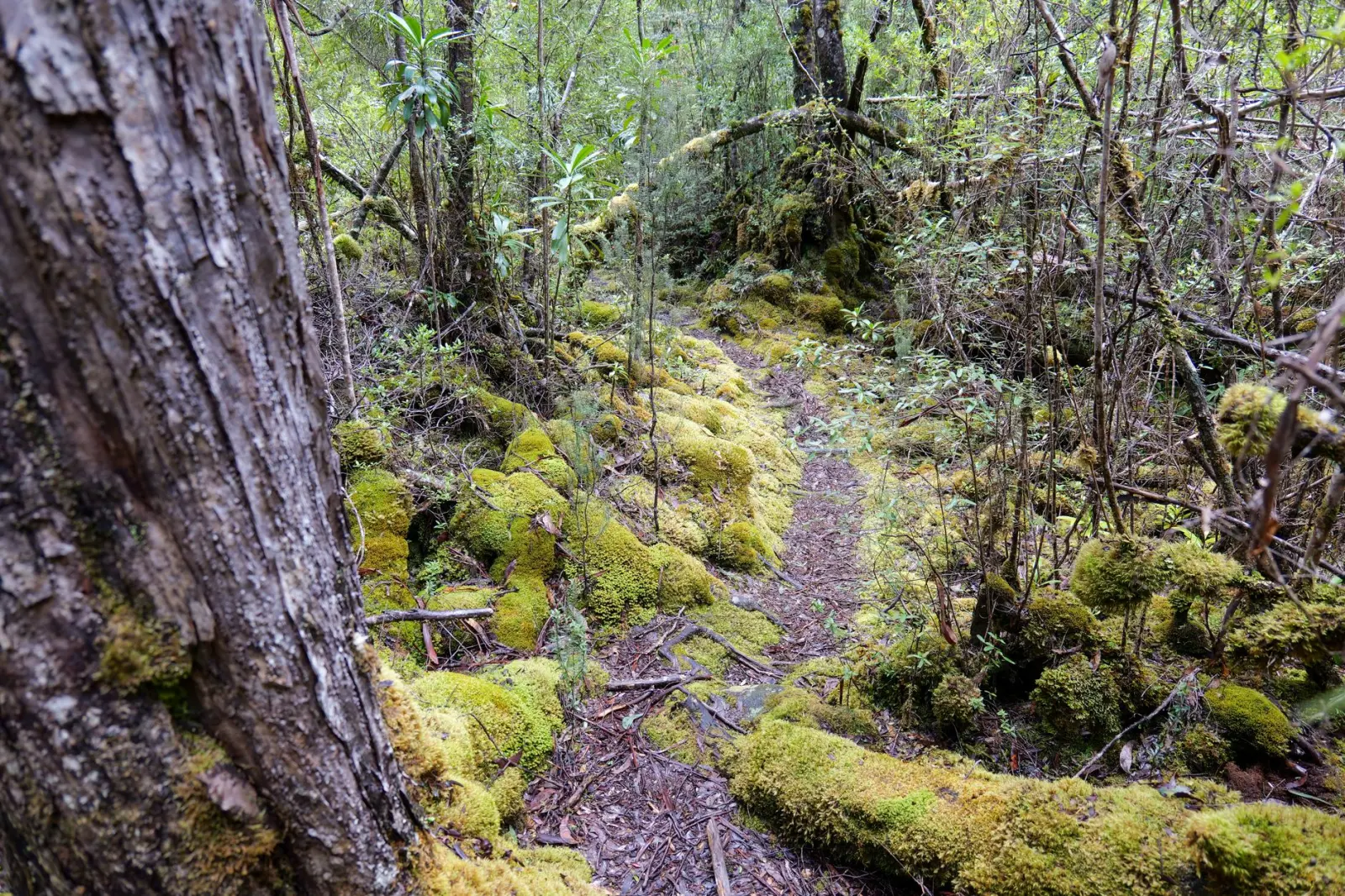
Remote rainforest tracks are maintained inconsistently. Some are well-marked and cleared regularly. Others are barely tracks at all – more like suggestions of where people have walked before. The distinction matters enormously for timing and safety. A track marked on a map might take twice as long as expected if it’s overgrown or if water crossings are swollen. I’ve seen people arrive at campsites well after dark because they underestimated how slow progress would be on a poorly maintained section.
Water crossings are the most unpredictable element. In dry season, many are trivial. After heavy rain, they become serious obstacles. A creek that’s ankle-deep in the morning can be waist-deep by afternoon if there’s been rainfall upstream. The current matters as much as the depth. Rocks become slippery almost immediately when wet. Crossing in poor visibility or when you’re already fatigued is when accidents happen. I’ve learned to treat every water crossing as a moment requiring full attention, regardless of how minor it appears.
Navigation itself is more challenging than it seems. The rainforest canopy is dense enough that GPS accuracy can be poor. Track markers fade or disappear. The forest looks similar in all directions. Getting temporarily lost is common and usually recoverable, but it adds time and stress. Carrying a paper map and knowing how to use it is essential. GPS is useful but not reliable enough to be your only navigation tool. Knowing your walking pace and tracking time carefully helps you recognize when something is wrong before you’ve wandered far off course.
Physical Demands and Pacing
Rainforest walking is deceptively demanding. The terrain appears gentle – few steep climbs, mostly gentle grades – but the constant moisture, humidity, and uneven footing exhaust people faster than they expect. Your feet sink slightly into soft ground. Roots and rocks catch your toe. The air is thick and warm. Your body works harder to move the same distance it would on a dry trail. After a few hours, fatigue accumulates in ways that surprise people accustomed to hiking in drier climates.
The mental component is significant. Rainforest walking is monotonous. The scenery doesn’t change dramatically. There are no distant views or clear landmarks. You’re moving through green, humid sameness for hours. This affects motivation and decision-making. People push harder when they’re bored, which leads to faster fatigue. They make navigation errors because they’re not concentrating fully. The best approach is to accept the pace the forest requires rather than fighting it. Slower, steady movement is more sustainable than trying to maintain a pace you’d use on open trails.
Hydration and nutrition matter more than most people acknowledge. You’re losing fluids constantly through perspiration and through respiration in humid air. Dehydration creeps up gradually. By the time you notice thirst, you’re already partially dehydrated. Carrying enough water is essential, but so is drinking regularly before you feel thirsty. Food needs to be calorie-dense because you’re burning energy faster than you realize. Simple carbohydrates help, but they need to be supplemented with protein and fat for sustained energy.
Preparation and Realistic Planning
The difference between a manageable experience and a difficult one often comes down to preparation. This doesn’t mean carrying excessive gear. It means understanding what the forest actually demands and planning accordingly. Starting early in the day is critical – finishing before dark matters far more than it does on other trails. Getting caught in the rainforest after dark is genuinely unpleasant. Visibility drops to nearly nothing. Navigation becomes nearly impossible. The psychological effect of darkness in a dense forest is significant.
Knowing your own fitness level and choosing tracks that match it is obvious but frequently ignored. Rainforest tracks don’t advertise their difficulty well. A track listed as “moderate” might be moderate in distance but exhausting in conditions. Talking to people who’ve recently walked a track provides far more useful information than guidebook descriptions. Local knowledge – from park rangers, accommodation staff, or other travelers – is invaluable.
Weather forecasts are useful but imperfect. They tell you what’s likely to happen, not what will definitely happen. A forecast of “scattered showers” in a rainforest might mean light drizzle or heavy rain depending on local conditions. The safest approach is to assume conditions will be wetter and slower than you hope, and plan accordingly. Building in extra time and flexibility reduces the pressure to push harder when conditions are difficult.
The rainforest is not hostile, but it is indifferent. It operates according to its own patterns – weather, wildlife, terrain – without regard for human schedules or expectations. Respect for those patterns, combined with realistic preparation and honest assessment of your own capabilities, makes the difference between an experience you’ll remember fondly and one you’ll remember as a struggle.