The Marrdja Boardwalk sits in the lowland reaches of Kakadu National Park, where the boundary between rainforest and mangrove swamp blurs into something neither fully one nor the other. I’ve walked it dozens of times across different seasons, and it remains one of those trails that feels simple on paper but demands attention in practice. The boardwalk itself is well-maintained – that’s not the issue. What matters is understanding what you’re actually moving through and what conditions will shape your experience on any given day.
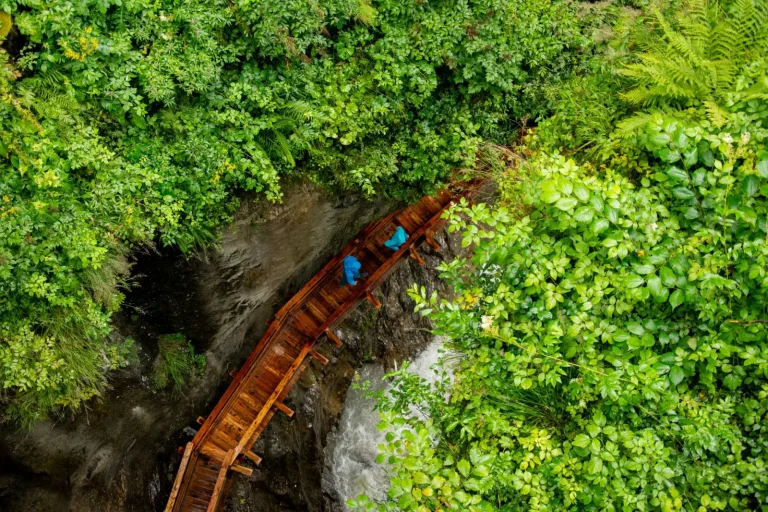
The walk covers roughly 1.5 kilometers in a loop, which sounds modest until you factor in humidity, the uneven psychology of boardwalk walking, and how the environment shifts beneath you. The path is elevated, which is the entire point. Without it, this ground would be impassable for most of the year. The boardwalk keeps you above water levels that fluctuate dramatically between wet and dry seasons. In the dry season, the water beneath is lower, but the vegetation is denser and the air feels more compressed. In the wet season, water rises significantly, and the whole ecosystem moves differently.
Vegetation and Ecosystem Layering
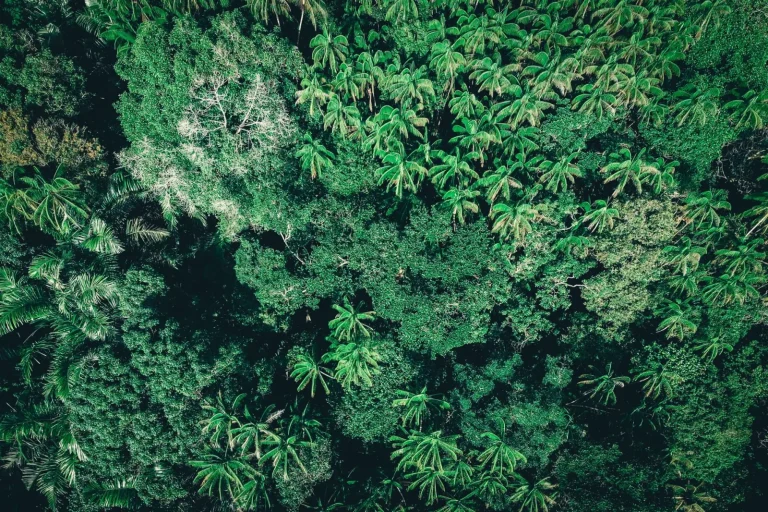
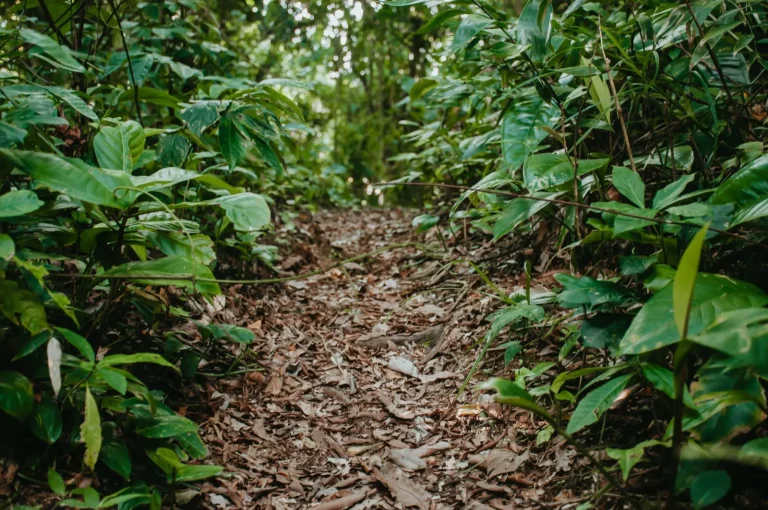
What strikes most people first is how tightly the forest closes around you. This isn’t open bushland or sparse woodland. The canopy is thick, and the understory is dense with palms, ferns, and woody shrubs that have adapted to periodic inundation. The rainforest section transitions gradually into mangrove forest, and the boardwalk lets you experience both without wading through mud or navigating root systems that would slow you considerably.
The mangrove component is what many walkers underestimate. Mangroves are not ornamental. They’re structural. Their root systems – aerial roots that prop the trees above water – create a visual complexity that can feel chaotic if you’re not used to it. The trees themselves are often smaller than the rainforest species, but they’re far more densely packed. The air in the mangrove section is noticeably different: saltier, more still, and warmer because there’s less canopy break. Insects are also more present here, which matters more than people typically admit.
Timing and Seasonal Variation
The dry season runs roughly May through October, and this is when most people visit. The boardwalk is more comfortable, the water is lower, and visibility is clearer. But the trade-off is that vegetation is drier and less lush, and the air feels stagnant. I’ve found that early morning walks in the dry season – before 8 a.m. – are significantly more pleasant than midday visits. The temperature difference is real, and so is the insect activity, which peaks in heat.
The wet season, November through April, transforms the walk entirely. Water levels rise, sometimes significantly. The boardwalk becomes the only viable route, which is why it exists. The vegetation is at its most vigorous, and the whole system feels alive in a way the dry season doesn’t quite match. But wet season brings heat and humidity that many people find exhausting after 20 minutes. The walk that takes 45 minutes comfortably in the dry season can feel like a serious effort in the wet season, even though the distance hasn’t changed.
Physical Reality and Pacing
The boardwalk surface is solid and well-designed, but it’s narrow enough that two people walking side-by-side will need to adjust. This matters if you’re with a group or if you encounter other walkers coming the opposite direction. The pace tends to be slower than you’d expect on flat ground, partly because the environment demands attention and partly because people naturally slow down when they’re enclosed by vegetation.
Fatigue on this walk is often underestimated. The 1.5 kilometers is short, but the humidity, the visual density of the surroundings, and the slight elevation changes where the boardwalk rises and dips all contribute to a sense of effort that’s disproportionate to the distance. I’ve seen fit walkers arrive at the end surprised by how tired they feel. It’s not a cardiovascular issue – it’s the combination of heat, humidity, and the constant low-level attention required to process the environment.
Wildlife and What You’ll Actually See
The boardwalk is marketed as a wildlife viewing experience, and it can be. But expectations matter. You’re unlikely to see large animals unless you’re very quiet and very lucky. Birds are more reliable – various herons, egrets, and kingfishers use the water and margins regularly. Reptiles are present, particularly water monitors and various snake species, but they’re typically wary of the boardwalk and will move away before you get close.
Insects are the constant. Mosquitoes are present, particularly near dawn and dusk and in the wet season. Biting midges are also common, especially in still air. Insect repellent is practical, not optional. The insects aren’t a reason to avoid the walk, but they’re a reality that affects comfort and requires planning. Long sleeves and pants are more effective than relying on repellent alone, though most people find that impractical in the heat.
Fish are visible in the water, and crocodiles are present in the system, though attacks on people using the boardwalk are extraordinarily rare. The boardwalk is designed with this reality in mind. The elevation and the distance from the water edge provide a practical safety margin. Still, it’s worth understanding that you’re walking through active crocodile habitat, which changes how you relate to the environment even if the actual risk is minimal.
Practical Considerations That Matter
Water is essential. The walk is short enough that you might think you don’t need much, but the combination of heat and humidity means you’ll drink more than you expect. A liter is reasonable for most people in the dry season; more if you’re visiting in the wet season or if you’re walking midday.
Footwear needs to be secure and have good grip. The boardwalk can be slippery, particularly after rain or in the early morning when dew is present. Sandals are common but not ideal. Closed shoes with reasonable tread are more practical, though they trap heat.
The walk is accessible year-round, but the experience varies significantly. There’s no single “best time” – it depends on what you’re prioritizing. If comfort is the goal, aim for the dry season, early morning, and accept that you’ll see a drier landscape. If you want to see the ecosystem at its most active and vigorous, the wet season delivers that, but you’ll be working harder against the heat and humidity.
The Marrdja Boardwalk is straightforward in execution but complex in what it reveals about how rainforest and mangrove systems function in lowland tropical Australia. It’s a walk that benefits from being taken slowly, with attention to what’s actually happening in the vegetation and water around you rather than rushing to complete the distance. The boardwalk makes it possible to experience terrain that would otherwise be inaccessible, and that accessibility is worth understanding on its own terms.