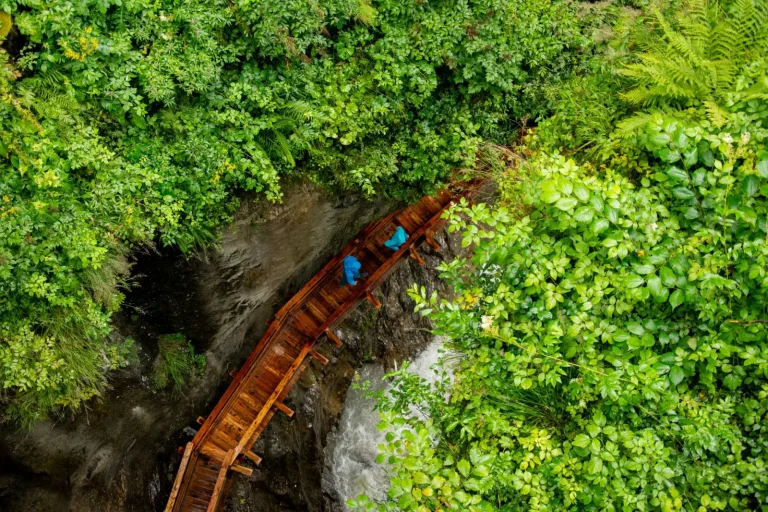

Mount Field National Park sits in Tasmania’s central highlands, and the forest walking there operates under conditions that don’t announce themselves until you’re already committed to a few hours of movement. The park’s reputation rests partly on accessibility – the main tracks are well-maintained and clearly marked – but that accessibility masks some genuine physical and environmental realities that become apparent once you’re moving through the canopy.
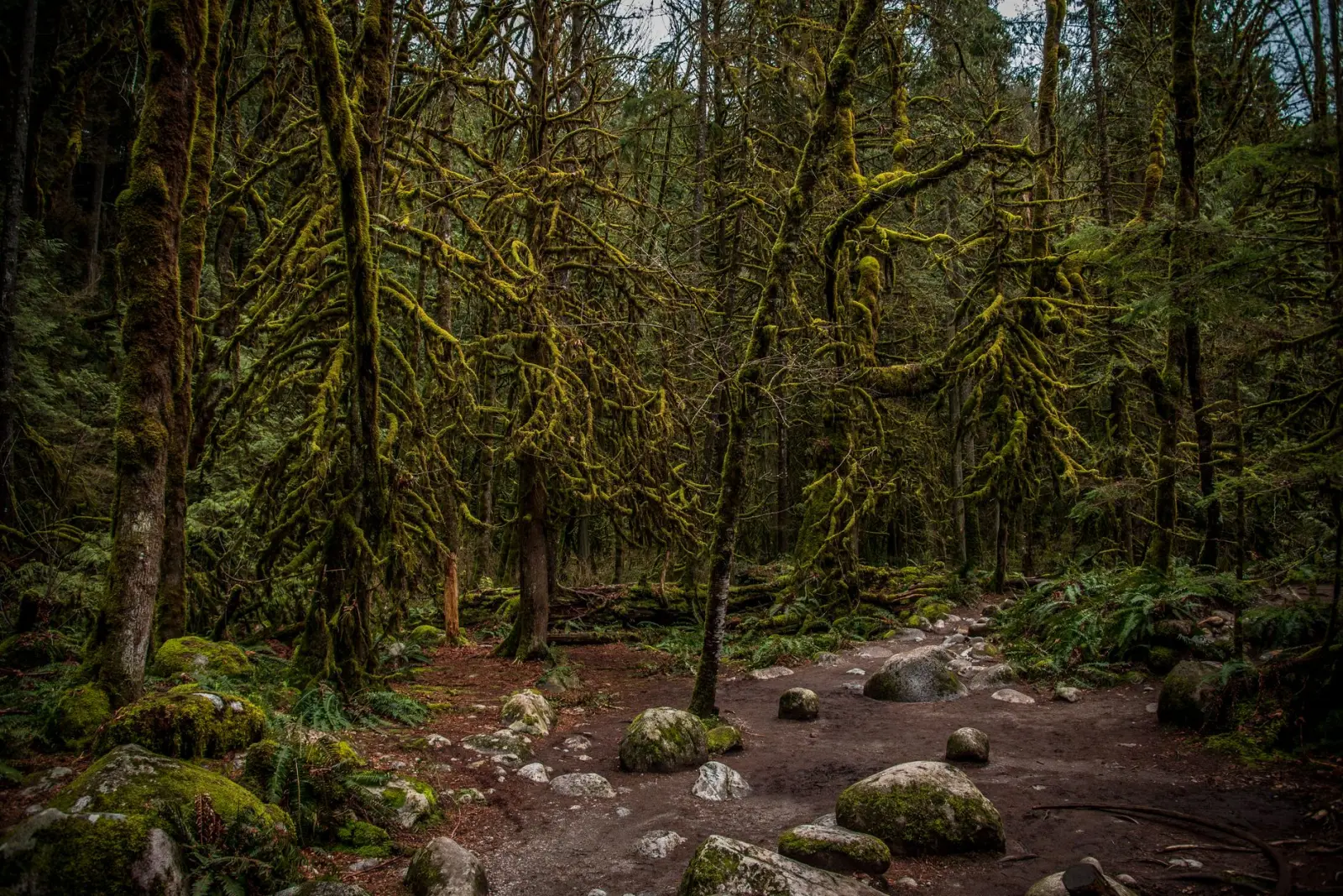
The forests themselves are dense temperate rainforest in the lower sections, transitioning to alpine moorland as elevation increases. This transition isn’t gradual in the way that term suggests. You move through distinct zones, and the character of the walking changes noticeably with each one. The lower forest floor is often soft and spongy, sometimes waterlogged depending on recent rainfall. Tree roots form natural steps, and the canopy closes overhead so completely that even on clear days, the light remains diffused and cool. This environment is deceptive in terms of pace. The ground looks navigable, but your feet sink slightly with each step, and the cumulative effect of that minor resistance compounds over several hours.
Elevation and the Sustained Climb
The main track to Lake Dobson and beyond gains elevation consistently but not dramatically on the map. In practice, this means the walk never truly flattens out. Your legs are working continuously against gravity, even when the gradient appears modest. The park’s most popular routes – the Lake Dobson circuit and the Mount Field summit track – both involve sustained climbing that many walkers underestimate. A person accustomed to flat urban walking or beach strolls will feel this within the first hour. The fatigue is real, and it accumulates.
What complicates this is the forest’s visual effect on distance perception. The canopy restricts your sight line, so you can’t see how far ahead the track continues. This creates a psychological compression of distance. You round a corner expecting to reach a viewpoint or rest area, and the track simply continues upward into more forest. Over time, this repetition – the visual sameness combined with ongoing physical effort – produces a specific kind of fatigue that’s distinct from simple tiredness. It’s the fatigue of sustained effort without visual reward.
Weather and Rapid Condition Changes
Mount Field’s weather operates on its own schedule. The park sits at sufficient elevation that conditions can shift dramatically within minutes. A walk that begins in clear conditions can transition into cloud and mist that reduces visibility to perhaps twenty meters. This isn’t rare or exceptional – it’s a regular occurrence, particularly in the afternoons or when weather systems move through. The temperature drop accompanying cloud cover is immediate and noticeable. A walker who set out in a light layer often finds themselves cold within minutes once the mist rolls in.
The practical effect of this is that the experience of the forest changes entirely depending on when you’re walking and what the weather is doing. On a clear day, the upper sections offer genuine views and a sense of exposure. In cloud, those same sections feel enclosed and slightly disorienting. The track itself remains clear and easy to follow, but the psychological experience transforms. Walkers who haven’t accounted for this often find themselves moving more cautiously, which extends their time on the trail and increases fatigue.
Rain in these forests doesn’t simply make things wet. The ground, already soft and spongy, becomes genuinely slippery. Tree roots that provide natural footing become treacherous. The pace slows further, and the physical demand increases because you’re working harder to maintain stability. The canopy provides some shelter, but not complete protection, particularly in the more open alpine sections.
Track Condition and Seasonal Variation
The main tracks are maintained regularly, but maintenance doesn’t mean uniform conditions. Sections of the track are prone to erosion, particularly where water runs downslope during heavy rain. These sections become channels, and walking through them requires careful foot placement. In winter months, frost and occasional snow create additional complications. The frost makes the ground harder but also more slippery, and snow obscures the track edges, which matters more than it sounds when you’re moving through forest where a misstep could mean a fall into the understory.
The park’s lower sections tend to be muddier and more waterlogged than higher sections, but this varies seasonally. Spring tends to be wetter overall. Late summer and autumn typically offer the most stable ground conditions, though the weather remains unpredictable. Walkers who visit in different seasons encounter genuinely different physical experiences, even on the same track.
Pacing and the Reality of Time
The park’s track signage includes time estimates. These estimates are generally accurate for fit walkers moving at a steady pace on good days. They become optimistic very quickly if conditions are poor, if you’re moving with children or less experienced walkers, or if you’re simply having an off day physically. A track marked as a two-hour walk can easily become three hours if the ground is wet, the weather has turned, or if you’re moving more cautiously than usual. This matters because it affects when you return to the carpark, and it affects how much daylight remains if you’re walking in the cooler months.
Many walkers set out with a mental schedule that doesn’t account for the actual variability of forest walking. They plan to walk for two hours, return for lunch, and move on to the next activity. The forest doesn’t operate on that schedule. Unexpected mud, a weather shift, or simple fatigue can extend a walk by an hour or more. Experienced walkers build buffer time into their plans. They start earlier than they think necessary and accept that the walk will take longer than the signage suggests.
The forests of Mount Field are accessible and genuinely rewarding, but they demand respect for the actual conditions rather than the theoretical ones. The walking is steady rather than strenuous, but it’s relentless. The environment is beautiful but also indifferent to your schedule or expectations. Success on these trails comes from understanding that the forest operates according to its own logic – weather, terrain, and fatigue are all variables that will assert themselves regardless of what you planned.