
Spending time in wet tropical rainforests teaches you quickly that frogs are not simply background noise. They are the dominant vertebrate presence in many of these ecosystems, and their activity patterns structure the entire acoustic and ecological rhythm of the forest. After years of moving through these environments – both for research and simply to understand what lives there – I’ve learned that the frogs you encounter depend entirely on the time of day, the season, and how recently it has rained.
The wet tropics support an extraordinary diversity of frog species, but most visitors and even some researchers underestimate how specialized each species is. A frog that calls loudly from the canopy at dusk occupies a completely different ecological role than one hiding in leaf litter. The size range alone is striking: some species are smaller than a thumbnail, while others can fit in your palm. This variation isn’t random. It reflects how thoroughly frogs have partitioned the available resources – different sizes hunt different prey, breed in different water bodies, and tolerate different humidity levels.
Acoustic Territories and Calling Patterns
The sound environment of a wet tropical rainforest is dominated by frogs, particularly during and after rain. Male frogs call to attract mates and establish territories, and the intensity of this calling varies dramatically by species, time of year, and weather. What I’ve noticed repeatedly is that the calling chorus is not random noise but a structured acoustic landscape. Certain species occupy specific frequency ranges, which reduces competition for attention and allows females to locate males of their own species in what would otherwise be an overwhelming wall of sound.
Timing matters enormously. Some species are strictly nocturnal, emerging only after dark. Others call during the day, particularly in the hours around dawn and dusk. A few species are active throughout the day, but these tend to be less common and often occupy specific microhabitats – deep in the leaf litter or in areas with dense vegetation that provides shelter. The relationship between rainfall and calling activity is direct and predictable. Heavy rain suppresses calling in many species because the noise of rain itself makes acoustic signaling ineffective. Paradoxically, the period immediately after rain often produces the most intense calling, as males rush to breed in the temporary pools and flooded areas that form.
Breeding Ecology and Water Dependency
Frogs in wet tropical rainforests exhibit extraordinary diversity in reproductive strategies, and understanding these patterns is essential for comprehending how these populations persist. Not all frogs breed in open water. Some species lay eggs in tree holes, others in bromeliads or other plants that hold small amounts of water. A few species have evolved direct development, where tadpoles complete their entire aquatic phase inside the egg, and froglets emerge already fully formed. This variation reflects adaptation to different levels of water availability and predation risk.
The timing of breeding is tightly coupled to rainfall patterns. In regions with distinct wet and dry seasons, most frogs breed during the wet season when temporary pools are abundant and water levels are high. In truly wet tropical areas with year-round rainfall, breeding can occur throughout the year, but it still intensifies during periods of heavier rain. I’ve observed that the most explosive breeding events occur in the weeks following the onset of the rainy season, when males that have been relatively quiet suddenly become vocal and compete intensely for access to breeding sites.
Tadpole development times vary considerably by species and environmental conditions. In warm water, some tadpoles complete metamorphosis in three to four weeks. Others take several months. This variation has real consequences for population dynamics. A species with rapid development can potentially produce multiple cohorts in a single season, while a species with slow development is locked into producing one cohort per year, regardless of how many suitable breeding opportunities arise.
Microhabitat Specialization and Niche Partitioning
One of the most striking features of wet tropical frog communities is how thoroughly they partition available space. Walk through a rainforest and you’ll find frogs at every level: on the forest floor, in the leaf litter, on low vegetation, in the mid-story, and in the canopy. Each vertical zone supports different species with different body sizes, hunting strategies, and reproductive requirements. The smallest frogs often occupy the densest vegetation, where they can hunt tiny arthropods and avoid larger predators. Larger frogs are often found on the ground or in water, where they can hunt bigger prey and breed more efficiently.
Leaf litter frogs represent a particularly successful guild in wet tropical forests. These small frogs spend most of their time on or just beneath the surface of accumulated leaves and organic matter. They hunt tiny invertebrates – springtails, mites, small insects – and many species have evolved reduced dependence on standing water for breeding. Some lay eggs directly in moist leaf litter, where they develop without a free-swimming tadpole stage. This strategy allows them to exploit resources in areas far from permanent water bodies, reducing competition and predation risk.
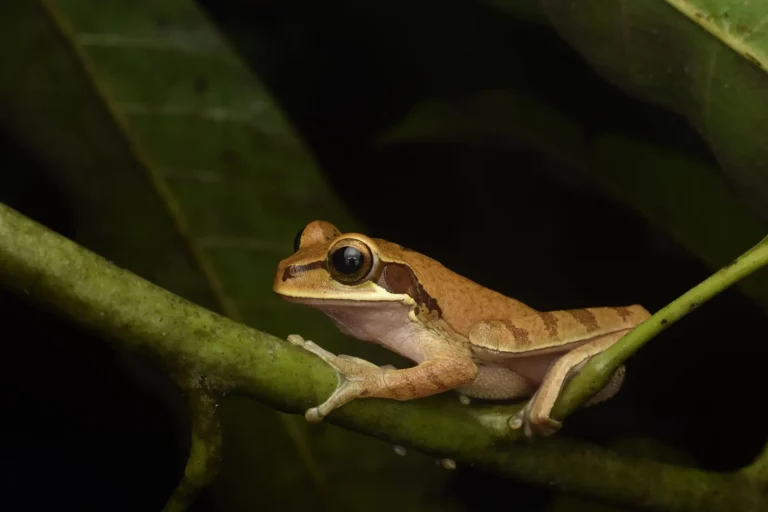
Arboreal frogs occupy a different ecological space entirely. These species, often brightly colored, spend their entire lives in trees and rarely descend to the ground. Many breed in water-filled tree holes or bromeliads, completing their entire life cycle without ever encountering the forest floor. The diversity of arboreal frogs in wet tropical rainforests is remarkable, and their presence adds a completely different dimension to the ecosystem. They hunt insects in the canopy, are preyed upon by snakes and birds adapted to that environment, and their reproductive biology is shaped by the constraints and opportunities of life in the trees.
Predation, Competition, and Population Dynamics
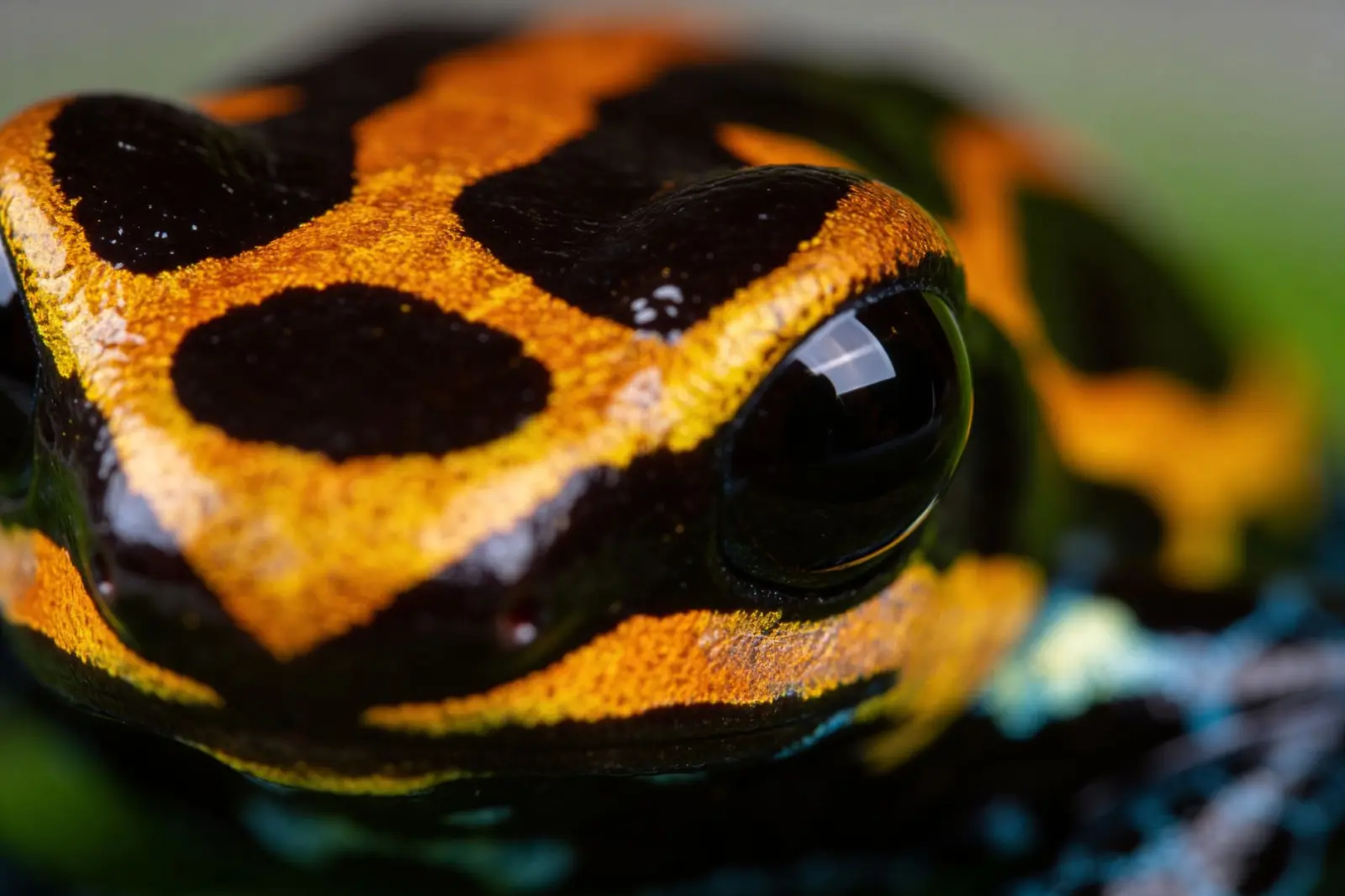
Frogs are simultaneously hunters and hunted, and this dual role shapes their behavior and ecology in fundamental ways. Adult frogs are preyed upon by snakes, birds, large spiders, and occasionally larger frogs. Tadpoles face predation from aquatic insects, fish, and larger tadpoles. This predation pressure influences where frogs breed, how they position themselves during the day, and how they respond to disturbances. Many species are cryptically colored or patterned to blend with their surroundings. Others are brightly colored and toxic, advertising their unpalatability to potential predators.
Competition for resources – particularly food and breeding sites – is intense in wet tropical frog communities. During breeding season, males compete for access to females and suitable breeding locations. Outside breeding season, competition centers on food and shelter. The intensity of this competition varies with population density and resource availability. In years with abundant rainfall and plenty of breeding habitat, competition is less severe because resources are widely distributed. In drier years, or when populations are particularly dense, competition intensifies and survival rates may decline.
Population dynamics in wet tropical frog communities are complex and influenced by multiple factors operating on different timescales. Year-to-year variation in rainfall affects breeding success and juvenile survival. Longer-term changes in forest structure and composition alter habitat availability. Disease, particularly the fungal pathogen that causes chytrid fungosis, can devastate populations. Predator populations fluctuate, influencing predation pressure. Understanding any given frog population requires tracking these multiple influences simultaneously and recognizing that what you observe in a single year may not reflect typical conditions.
The wet tropical rainforest frog community represents one of nature’s most intricate ecological assemblages. Every species occupies a specific niche, breeds at particular times, and interacts with its environment in ways refined by millions of years of evolution. Observing these frogs in their natural setting reveals not just the complexity of individual species but the interconnectedness of the entire system. The frogs you hear calling at dusk are part of a network of relationships that extends from the forest floor to the canopy, from the wet season to the dry, and from individual survival to population persistence.