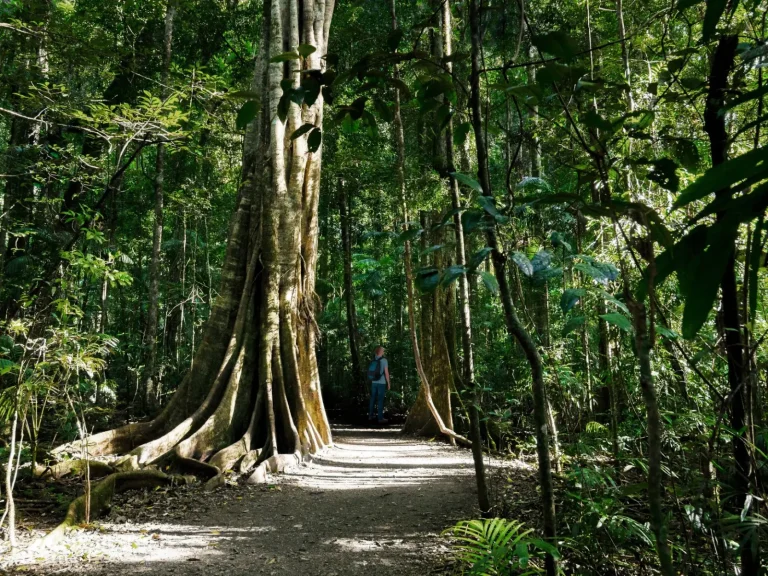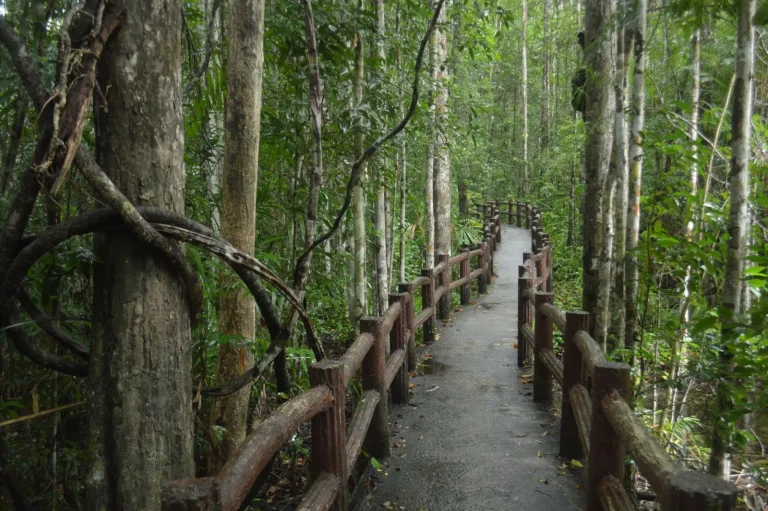

The Daintree Rainforest sits at the northern tip of Queensland, and it draws people who want to see something genuinely wild. After years of guiding visitors through these forests and watching what actually appears versus what tourists hope to see, the gap between expectation and reality is worth addressing upfront. You will see wildlife. But the animals that show up depend heavily on timing, weather, guide experience, and a fair amount of luck.
Most tours run between two and four hours, which is the practical window before fatigue and heat start working against observation. The forest canopy is dense enough that you’re often looking up or scanning the middle layers rather than spotting creatures at eye level. This matters because it changes how you move through the forest and what you’re actually equipped to notice. A guide who knows where to listen and pause will find more than someone rushing through on schedule.
Cassowaries: The Iconic Encounter That Requires Patience
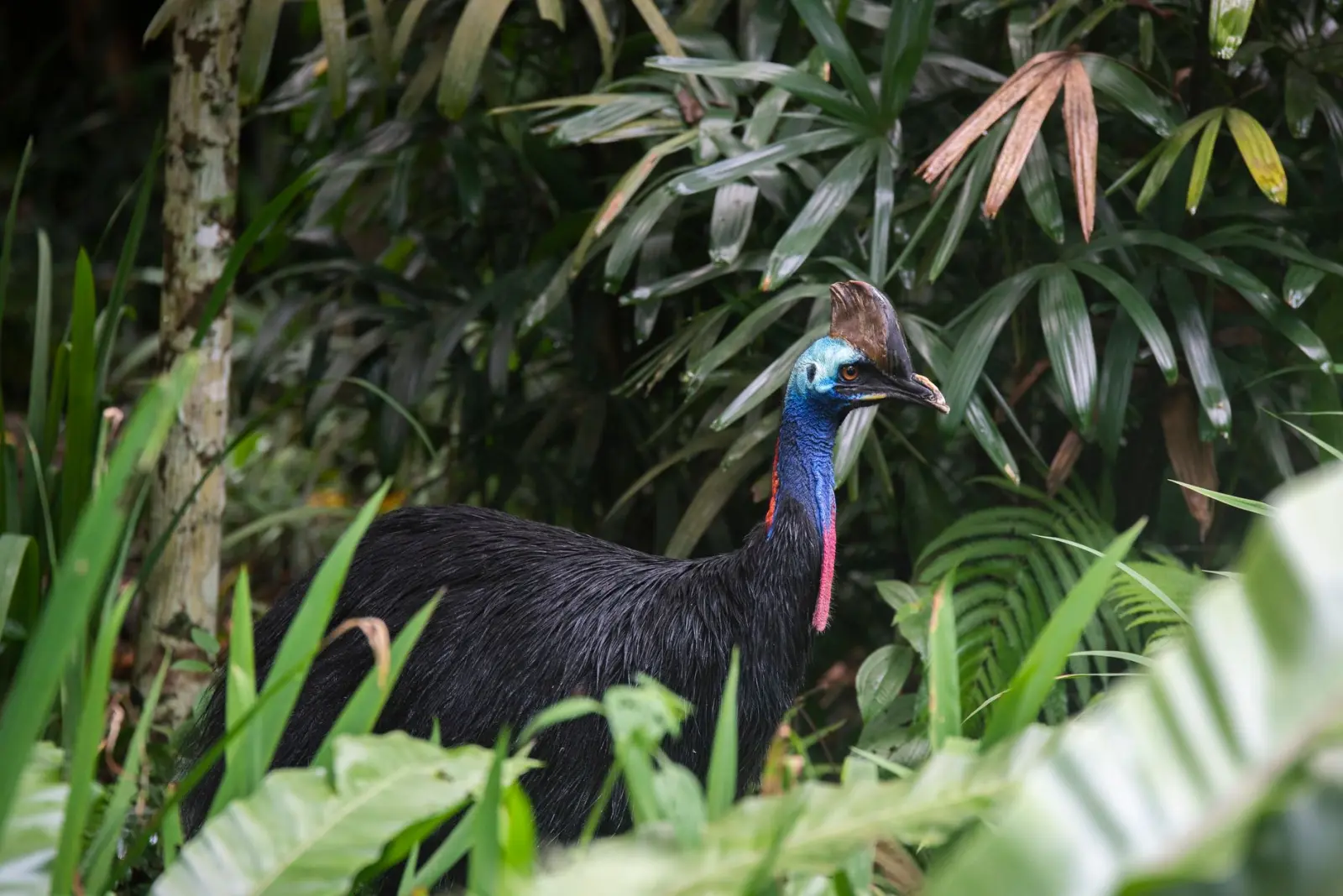
The southern cassowary is the rainforest’s most recognizable large animal, and it’s also the one that generates the most frustration among visitors. These flightless birds stand around five feet tall, move deliberately through the understory, and are genuinely impressive to encounter. But they’re not common on every tour, and there’s no reliable way to guarantee one.
Cassowaries are most active early morning and late afternoon, which is why better operators schedule tours during those windows. Midday tours rarely produce sightings. The birds feed on fallen fruit, so seasonal availability matters – certain times of year when native fruits are dropping will bring them closer to walking tracks. Wet season tours (December through March) tend to have better odds because the forest is actively fruiting. During drier months, they’re still present but more dispersed.
When you do encounter a cassowary, the experience is brief. They don’t linger for photographs. They notice you, assess the situation, and move into denser vegetation. A good guide will spot one at distance and position the group to observe without crowding. Guides who chase or try to get closer for better photos are common and counterproductive – the bird simply disappears faster. The sighting itself is usually just a few minutes of watching a large, dark bird moving through the forest with an almost prehistoric gait.
Crocodiles: Presence Over Drama
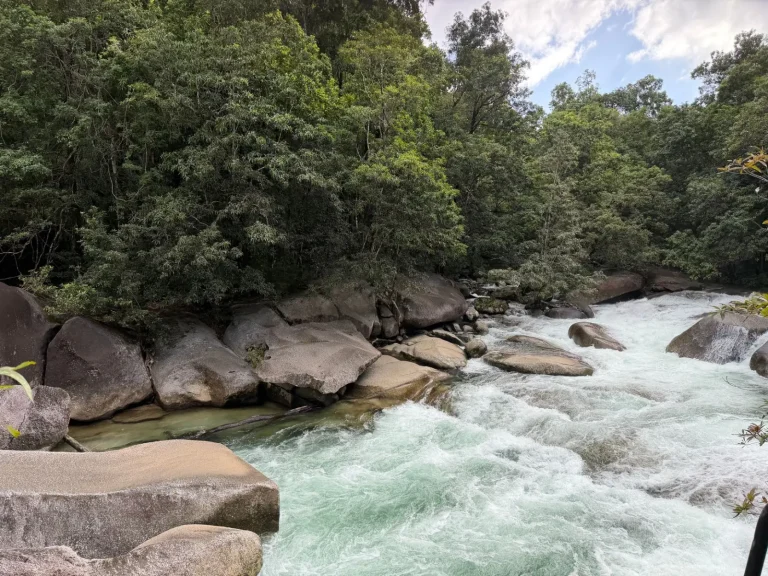
Saltwater crocodiles inhabit the rivers and waterways that border the rainforest, and they’re present year-round. Tours that include river sections will mention them, and occasionally you’ll spot one basking on a bank or partially submerged. The reality is less dramatic than the name suggests. Most crocodiles you see are small to medium-sized, and they’re typically indifferent to people on the riverbank. Large specimens exist but are less frequently visible because they tend to avoid areas with regular human activity.
The danger is real but often overstated in promotional material. Crocodile attacks in this region are rare. The animals are wary. What you’re more likely to experience is a guide pointing out a log-shaped form in the water and explaining crocodile behavior rather than witnessing aggressive activity. If you’re on a river tour, ask the guide specifically about recent sightings and where crocodiles tend to concentrate. This information varies seasonally and year to year.
Birds: The Reliable Category
Birdwatching in the Daintree is genuinely productive, even for people who aren’t serious birders. The rainforest supports over 400 bird species, and you’ll encounter several on any tour. The birds that show up most reliably are medium-sized species like various kingfishers, kookaburras, and parrots. Rainbow lorikeets are common and loud. Noisy pittas are present but harder to see despite their volume. Bowerbirds appear occasionally, usually detected by their distinctive calls before you spot them.
Rarer birds like the magnificent riflebird or the Australian brush turkey are possible but not guaranteed. A guide with strong bird knowledge will spend time listening and identifying calls, which is how most forest birds are actually encountered – you hear them first, then locate them visually. This requires stopping frequently and staying quiet, which some tours do better than others. If bird observation is your priority, mention this when booking and ask about the guide’s birding experience specifically.
Smaller Animals and Reptiles
Smaller creatures are where you’ll have consistent success. Skinks and other lizards are common on the forest floor and on fallen logs. Tree snakes appear regularly, though most guides will point them out from a safe distance rather than handling them. Frogs are abundant, especially after rain, and their calls dominate the soundscape during wet season. Insects are everywhere – butterflies, beetles, spiders – but they’re often overlooked because people are focused on larger animals.
Mammals beyond cassowaries are less frequently seen. Wallabies exist in the forest but are shy and nocturnal. Bandicoots are present but small and elusive. Tree kangaroos are genuinely rare sightings, even for experienced guides. Possums are active at night, so they’re not part of standard daytime tours. If you’re hoping for a specific animal, ask directly whether the tour operator has seen it recently and how often it appears. Honest guides will tell you the odds.
Timing, Weather, and What Actually Matters
Weather has a direct effect on animal visibility. Overcast days and light rain actually improve sightings because animals are more active when temperatures are moderate. Heavy rain shuts things down – animals shelter, visibility drops, and the experience becomes uncomfortable. Hot, sunny midday tours are the worst for wildlife observation. Early morning (starting around 6 or 7 a.m.) is genuinely better, though it requires earlier arrival and more fatigue management.
Guide quality is the single biggest variable. A guide who knows the forest intimately, listens carefully, and moves at an observation pace will find more than a guide running a fixed route on schedule. Some operators rotate guides, which means consistency varies. Smaller group sizes (under eight people) allow for quieter movement and better positioning for photographs. Large groups inevitably produce more noise and movement, which pushes animals away.
The Daintree delivers genuine rainforest experience. You will see animals. You will hear the forest’s complexity. But the specific creatures that appear depend on factors largely outside your control. Managing expectations – understanding that cassowaries are possible but not guaranteed, that birds are reliable, that smaller animals are always present – makes the experience more satisfying than arriving with a fixed list of must-see species. The forest reveals what it reveals on the day you visit.