
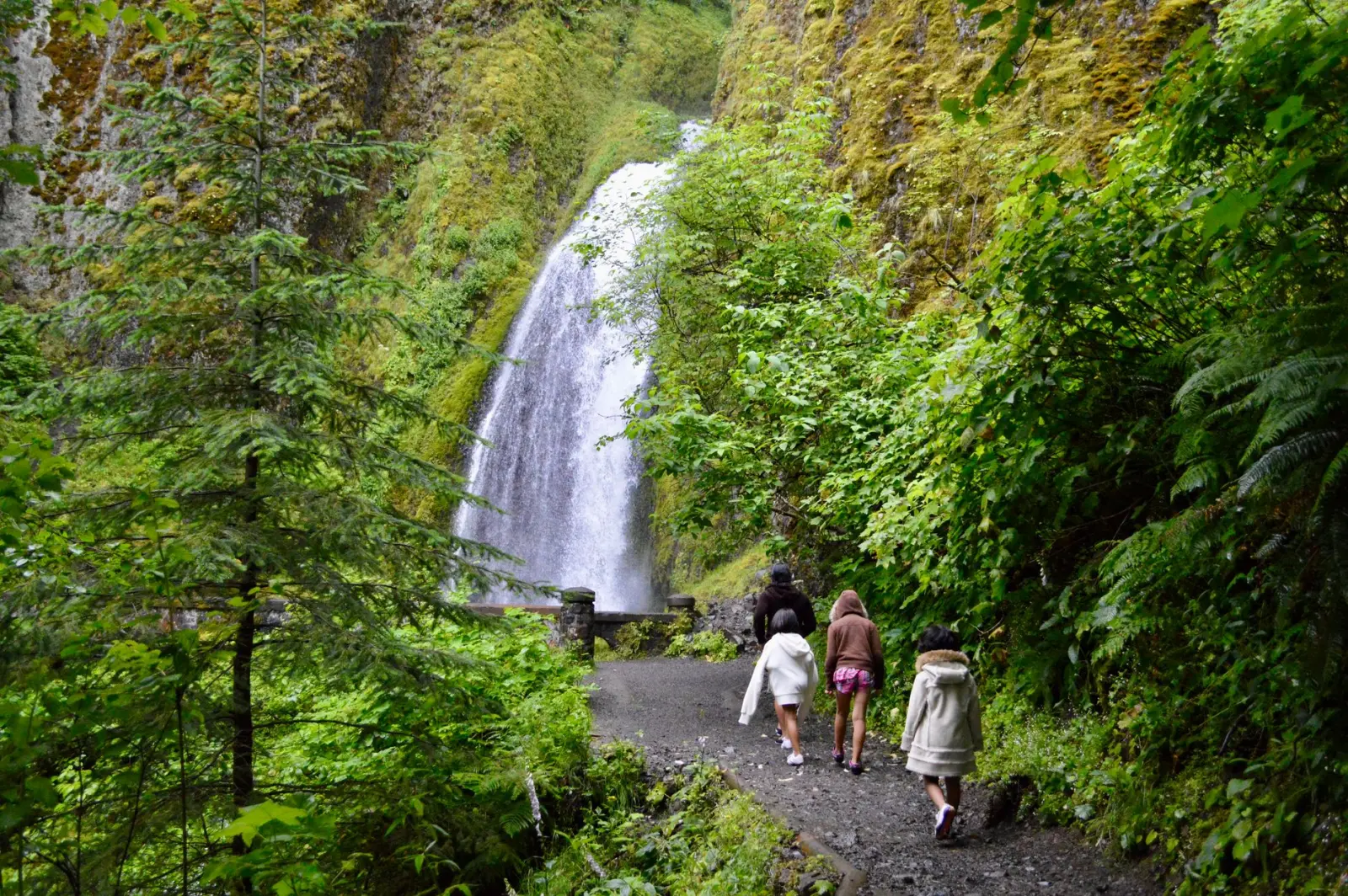
Curtis Falls is one of those walks that sounds straightforward on paper but reveals itself differently once you’re actually on the track. It sits on Tamborine Mountain, about an hour’s drive south of Brisbane, and the falls themselves are genuine – a proper cascade of water dropping into a pool surrounded by tall rainforest. The walk itself is short, usually quoted as 1.5 to 2 kilometres return, which means most people can finish it in under an hour. But short doesn’t always mean simple, and the experience varies considerably depending on when you arrive and what you’re physically prepared for.
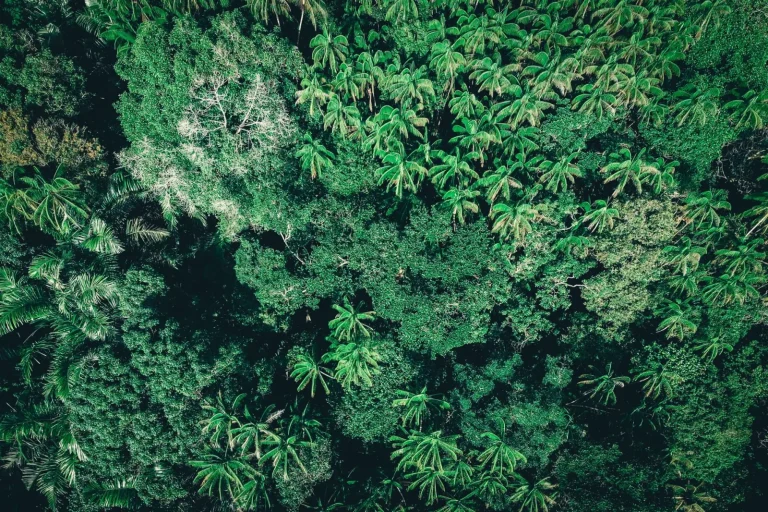
The track begins near the picnic area at Curtis Falls parking lot, and the first section moves through open bushland before entering the rainforest proper. This transition is noticeable. The canopy closes overhead, the air becomes noticeably cooler and damper, and the light changes. If you’ve come from the car park on a warm day, that shift is actually quite welcome. The rainforest here is subtropical, not tropical, so it’s less dense than what you’d find further north, but it’s still thick enough that you lose sight of the mountain and the surrounding landscape almost immediately.
The Physical Reality of the Walk
What catches people off guard is the elevation change. The track descends to the falls, which means you’re going down for most of the walk. This is where many visitors misjudge the effort. Going down feels easier on the legs, and people often move faster than they should. The problem emerges on the return journey, when that same descent becomes a climb back out. The track gains roughly 100 metres over the walk, which isn’t dramatic in absolute terms, but the steepness varies. Some sections are gentle; others are noticeably steep, with tree roots and rocks forming natural steps. If you’re not used to walking on uneven ground, or if you’ve got knee issues, that uphill return can feel substantially harder than the descent suggested it would be.
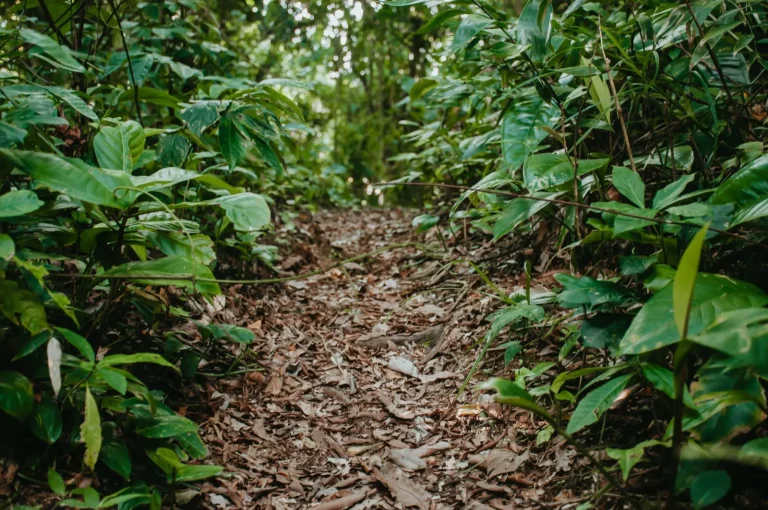
The track surface itself is mostly packed earth and rock, with plenty of exposed tree roots. After rain, it becomes slippery. I’ve seen people lose their footing on what looks like a simple section, so proper footwear matters more than the walk’s short length might suggest. Runners work fine if they have decent grip, but hiking boots or trail shoes with proper traction are genuinely preferable. The moisture in the rainforest air means the ground stays damp even when it hasn’t rained recently, which adds to the slipperiness.
Crowds and Timing
Curtis Falls is popular, and that’s worth accounting for. On weekends, especially during school holidays or good weather stretches, the car park fills up. I’ve arrived mid-morning on a Saturday and found it nearly full, with people queuing to get down to the falls. The track itself is wide enough in most places to pass other walkers, but at certain points – particularly near the falls themselves – it narrows, and you end up waiting or squeezing past groups. Early morning visits, before 9 am, tend to be noticeably quieter. Weekday visits are generally less crowded than weekends, though this depends on school holidays and public holidays.
The falls themselves are a focal point, and people naturally cluster there. If you’re hoping for solitude or a quiet moment by the water, timing matters. The pool is deep enough to swim in, and on warm days, people do. The water is cold year-round, fed by rainforest streams and shaded by the canopy. It’s refreshing rather than shocking, but it’s not warm.
Seasonal Variation
The walk changes noticeably with seasons. During the wet season (November to March), the falls are fuller and more impressive, but the track becomes genuinely slippery and muddy. I’ve done this walk after heavy rain, and what’s normally a straightforward descent becomes a careful, slow process. The water level in the pool rises, and the sound of the falls intensifies. It’s visually more dramatic, but the logistics are harder. Drying off afterward is also more of a consideration, as you’ll likely have mud on your legs and shoes.
In drier months, the falls reduce to a trickle or sometimes stop entirely. The pool still holds water, but the cascade that makes the walk worthwhile visually becomes minimal. I’ve been there in August when the falls were barely flowing, and it changes the experience. The walk is still pleasant – the rainforest is still there, the shade is still valuable – but the destination feels less compelling.
What Often Gets Overlooked
Most people underestimate how much they’ll sweat. Even in cooler months, the combination of exertion and the humid rainforest air means you’ll be damp by the time you reach the falls. Bring water. A single 500ml bottle isn’t enough if you’re carrying it all the way and the day is warm. The car park has a tap, which helps, but refilling on the track itself isn’t an option. The walk is short enough that you won’t be out long, but dehydration still creeps up on people.
Insects are present but not overwhelming. Mosquitoes can be active near the water, particularly in warmer months and around dusk. Leeches are occasionally mentioned online, and they do exist in subtropical rainforests, particularly after rain, but they’re not a constant presence. If you’re concerned, wearing long socks and tucking pants into them is the standard prevention. Most people don’t bother, and most don’t encounter them.
The car park itself is worth noting. It’s small, and on busy days, parking becomes genuinely difficult. There’s an overflow area, but if you arrive mid-morning on a weekend, you might find yourself parking a fair distance away. The walk from the car park to the track entrance is minimal, but it’s another small factor that affects the overall experience.
Curtis Falls works well as a warm-up walk or a half-day activity if you’re staying on Tamborine Mountain. It’s genuine rainforest, it’s accessible, and the falls are real. But it’s not a casual stroll, and it’s not a destination for people who are genuinely unfit or have significant mobility limitations. It suits people who want a short walk with some physical engagement and a natural destination that justifies the effort. Expect to be slightly damp, slightly tired, and satisfied by the time you’re back at the car park.