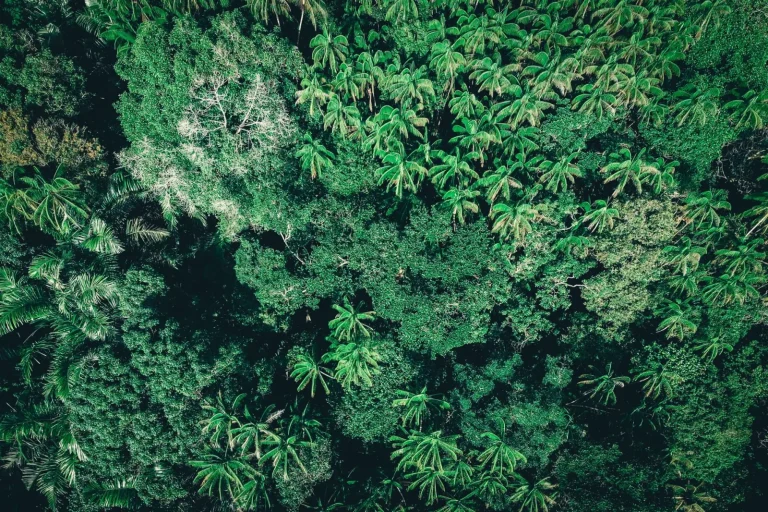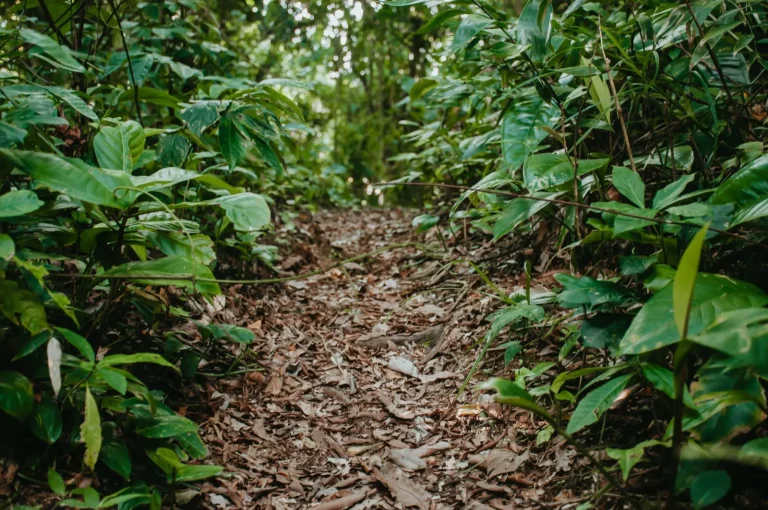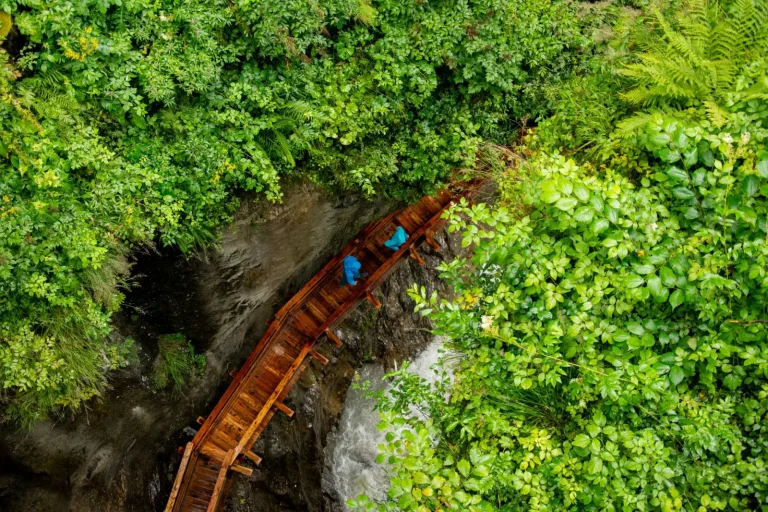

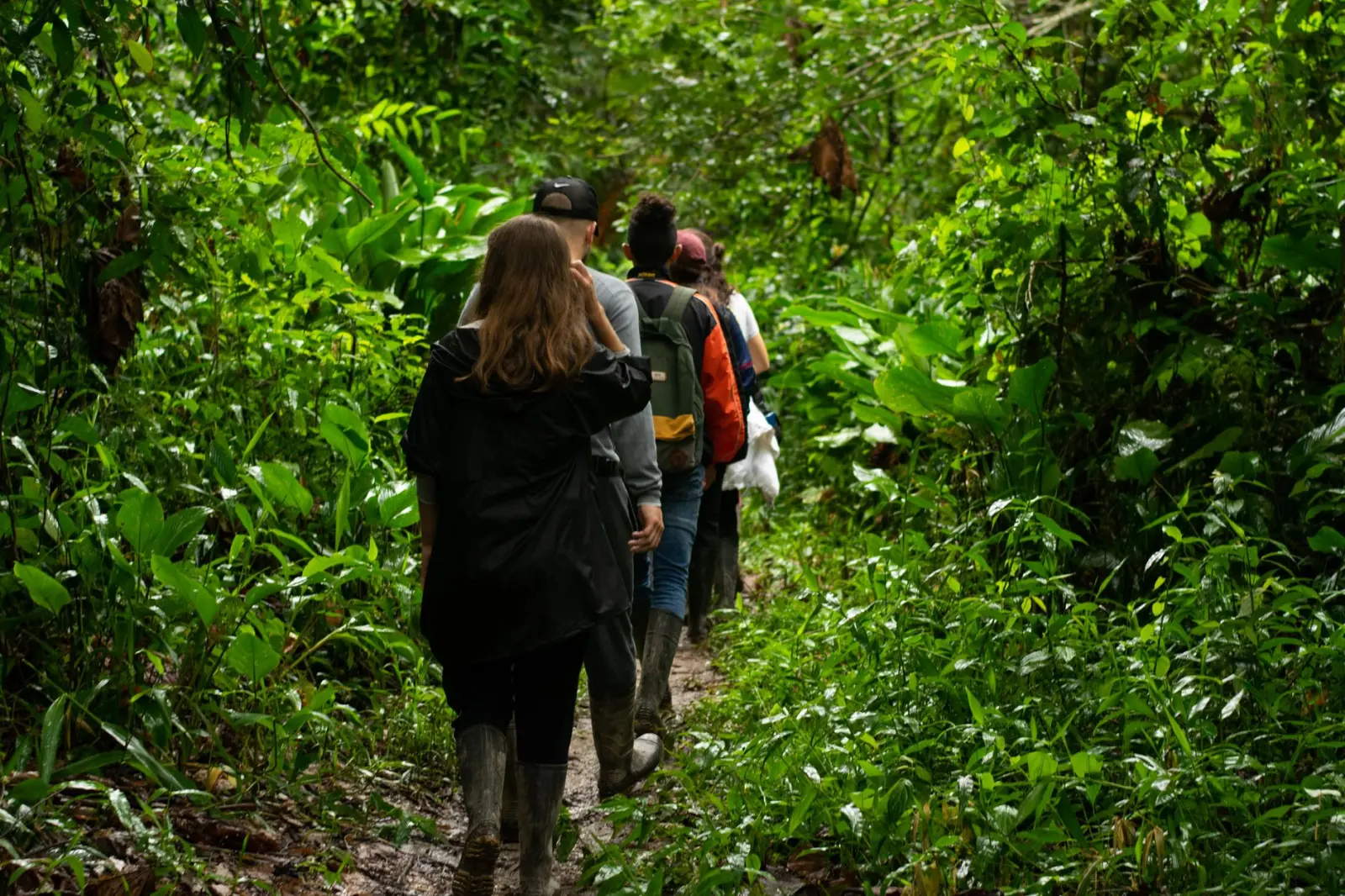
The rainforest on Tamborine Mountain doesn’t announce itself as difficult. The canopy filters the light into a soft green haze, the air smells rich and damp, and the walking surface looks manageable from the carpark. This is where most people’s expectations diverge from what their legs experience an hour in. The trails here are deceptive in a specific way: they’re not steep enough to feel like climbing, but they’re steep enough to accumulate fatigue in places you don’t typically feel it. The constant grade, combined with uneven footing and moisture underfoot, works differently on your body than a single punishing climb would.
I’ve walked these tracks across different seasons, and the physical reality shifts more than the brochures suggest. The subtropical rainforest environment creates conditions that don’t exist on open bushland. The ground never fully dries. Even in dry spells, the soil beneath the leaf litter holds moisture from the canopy’s constant drip. This means your footing is always slightly uncertain. Roots that look stable can roll under your boot. Rocks that appear solid are often coated with a thin film of algae or moss. You’re not slipping dramatically – the trails are well-maintained – but you’re constantly making micro-corrections, and that uses energy.
The Humidity Factor
Walking in subtropical rainforest humidity is not the same as walking in dry heat. Your body doesn’t cool efficiently. Sweat doesn’t evaporate; it accumulates. After forty minutes of steady walking, most people feel significantly warmer than they expected, even if the temperature reads as mild. This affects how you pace yourself. You can’t rely on the usual signals. A person might feel fine temperature-wise but be losing fluids faster than they realize. The shade from the canopy masks how much sun exposure you’re getting, and the humidity masks how much you’re sweating.
The trails themselves vary considerably. Curtis Falls is the most popular and the most crowded. It’s also the shortest serious walk on the mountain – roughly two kilometers return with a reasonable grade. The payoff is immediate: you reach the waterfall, see the pool, and most people turn back. The trail is well-formed and heavily used, which means it’s also more compacted and slippery when wet. I’ve seen people underestimate this walk because of its popularity and reputation as an easy option. It’s easy until it isn’t, usually around the point where people are tired and still have to navigate the descent.
Longer Routes and Cumulative Fatigue
The longer circuits – Cedar Creek Falls, Ponderosa Falls, the various loop combinations – reveal a different challenge. These aren’t single-destination walks. They’re sustained efforts across variable terrain. Ponderosa Falls involves a longer approach, and the trail narrows considerably. The canopy closes in further, and you’re navigating around fallen trees and through sections where the path becomes more of a scramble than a walk. By the time you reach the falls, you’ve already been moving for an hour or more. The descent then requires the same attention and energy expenditure, except you’re tired.
What I’ve observed repeatedly is that people underestimate the descent. Climbing feels like effort – you’re aware of it, you pace yourself. Descending feels easier because gravity helps, but it’s actually harder on the knees and quads, and it requires more concentration on uneven ground. In a rainforest environment where the footing is never completely certain, a tired descent is where minor injuries happen. People roll ankles, catch their boots on roots, or slip on wet sections. It’s rarely dramatic, but it’s common enough that you see the evidence: people limping the last few hundred meters, or sitting at the carpark icing a knee.
Timing and Temperature Variation
The time of day matters more than most people realize. Walking in the early morning, when the canopy is still dripping from overnight moisture, means the trails are slicker. Walking in the afternoon, after the sun has had hours to filter through the canopy, means the ground has dried slightly and footing is more stable. But afternoon walks also mean you’re walking in peak heat, and the humidity is often at its worst. There’s no perfect window – you’re always making a trade-off. Most people find that starting early and finishing by early afternoon works best, which means being on the mountain by 8:00 a.m. at the latest for anything longer than Curtis Falls.
Seasonal variation is real but subtle. Winter (June to August) means cooler temperatures and lower humidity, which sounds ideal until you realize that the trails are wetter during this period. The canopy drips constantly. Spring and autumn offer the most stable conditions – warm enough that you’re comfortable, but not so hot that the humidity becomes the primary challenge. Summer is possible but requires starting very early and accepting that you’ll be walking in significant heat and moisture.
Water and hydration deserve specific mention because this is where people’s assumptions fail them most often. The trails pass creeks and pools, and there’s a natural assumption that water is available. It is, but relying on it is a mistake. The water is cold and often looks pristine, but it’s also untreated. Giardia and other parasites are present in Australian freshwater systems. Carrying enough water from the start is the only reliable approach. For Curtis Falls, two liters is usually sufficient. For longer loops, three liters becomes necessary, and even then, you’re managing it carefully.
Footwear and Equipment Choices
The choice of footwear affects the experience more than people expect. Trail runners work well on these tracks – they’re light, they dry quickly, and they provide enough grip for the terrain. Hiking boots feel like overkill and add unnecessary weight, but they do provide ankle support, which matters on uneven ground when you’re tired. The middle ground – a sturdy trail shoe with good tread – is probably the most practical. What doesn’t work is anything with a smooth sole or anything that doesn’t grip wet surfaces. I’ve watched people in road running shoes struggle significantly on sections that would be straightforward in proper trail footwear.
The other equipment consideration is often overlooked: insect protection. The rainforest has mosquitoes, particularly near water, and they’re active year-round. Applying insect repellent before you start walking is more effective than applying it once you’re already being bitten. Long sleeves and pants aren’t necessary for these trails, but they do reduce the number of bites you’ll accumulate. Some people find this worth the minor increase in warmth; others prefer the air flow and accept the bites as part of the experience.
The rainforest environment on Tamborine Mountain rewards a specific kind of attention. It’s not dangerous in any absolute sense, but it demands respect for the conditions it presents. The humidity, the moisture, the uneven footing, and the cumulative fatigue of sustained walking on variable terrain all interact in ways that feel manageable right up until they don’t. The trails are beautiful and well-maintained, but they’re also humbling. Most people who walk them regularly develop a quiet respect for what seems like a simple activity. That respect usually comes after a walk where something – fatigue, slippery footing, humidity – reminded them that the rainforest operates on its own terms, not theirs.