
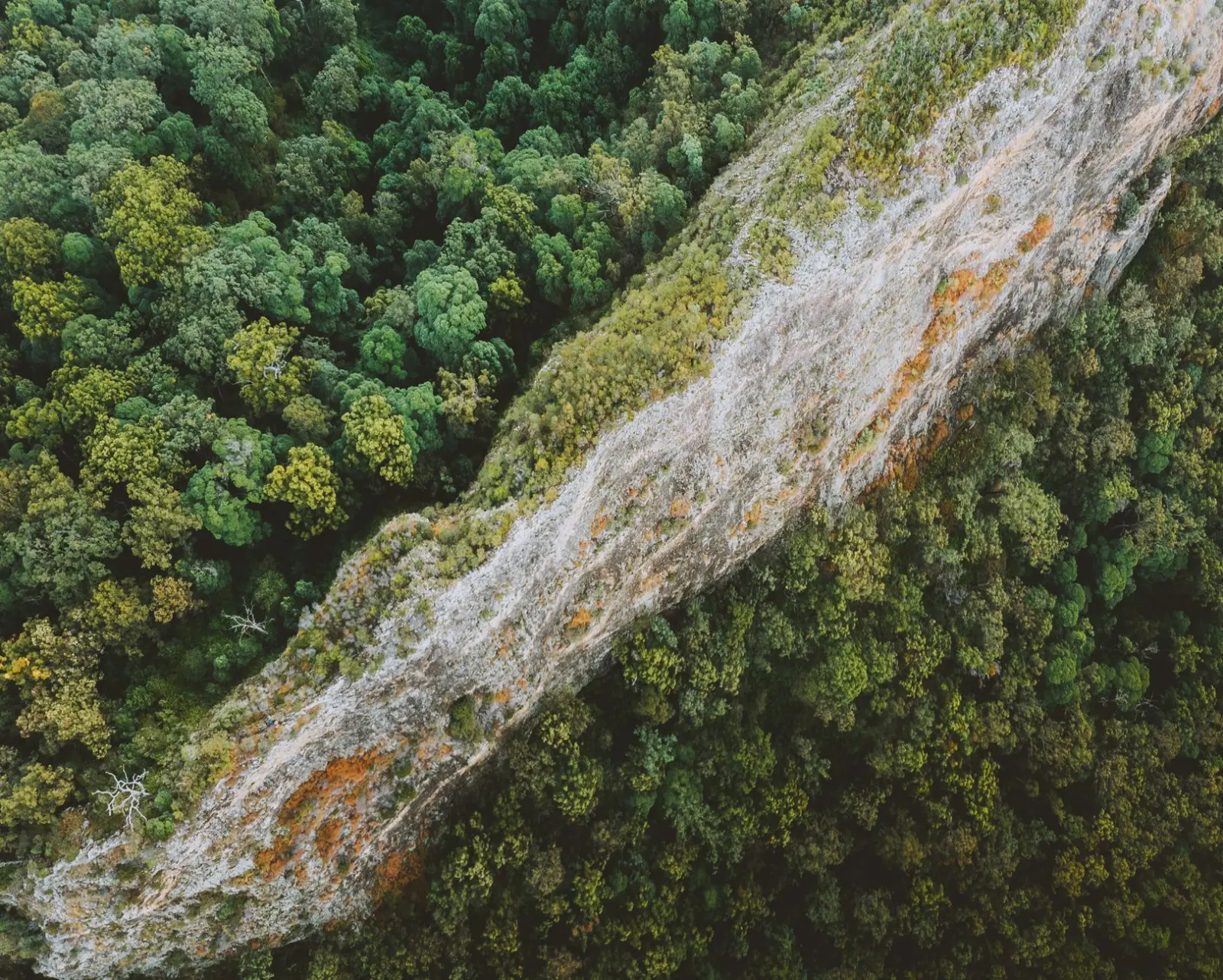
The Gondwana rainforests that cling to Australia’s eastern escarpment represent something genuinely old. Not old in the way we casually use the word for anything predating European settlement, but genuinely ancient – remnants of a forest system that existed when Australia was still connected to other southern continents. Walking through these pockets of vegetation feels different from other Australian bushland, and that difference is rooted in deep time and very specific climate conditions.
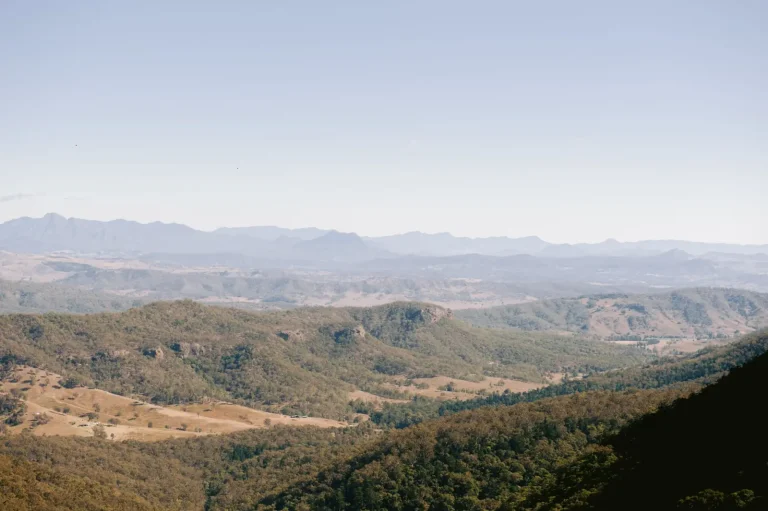
What survives today across Queensland and northern New South Wales is fragmented. The largest continuous stretches sit along the Great Dividing Range, where elevation, rainfall, and temperature create the particular conditions these forests need. They are not uniform. Some sections are subtropical, dense with vines and broad-leafed plants. Others, particularly at higher elevations, take on a temperate character with different canopy structure and understory composition. The variation matters because it tells you something about how sensitive these ecosystems are to their immediate environment.
These forests have persisted through climate shifts that eliminated them from most of the continent. That persistence is not accidental. The high rainfall zones along the range, combined with deep volcanic soils in some areas and the moderating effect of elevation, created refugia – pockets where the conditions remained stable enough for species to survive. The plants and animals here are often relics, species that have no close relatives elsewhere on the continent because their relatives went extinct when the climate dried out thousands of years ago.
What Makes Gondwana Rainforest Distinct
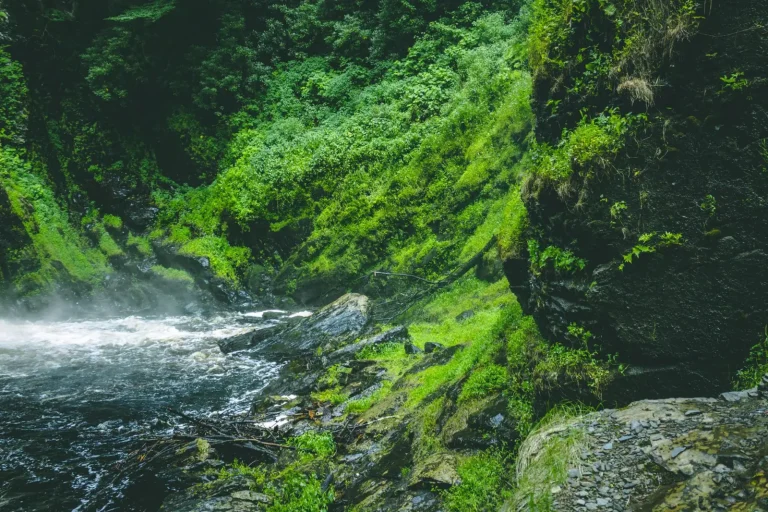
The most immediate difference you notice is the density and structure. The canopy is often multi-layered, with emergent trees, a main canopy, and distinct understory levels. Light levels on the forest floor are genuinely low. The air feels different – more humid, less variable. Ferns dominate the understory in ways they do not in eucalypt forests. Vines are common, particularly in subtropical sections. The leaf litter is thick and stays damp.
The tree species themselves signal the antiquity. You find primitive flowering plants here, lineages that diverged from modern families millions of years ago. Coachwoods, sassafras, and various Lauraceae family members are common. Conifers appear in some sections, particularly at higher elevations. The fauna is equally distinctive – tree kangaroos, lyrebirds, and numerous endemic species found nowhere else. The insects and invertebrates are equally specialized, many with no close relatives in surrounding habitats.
Soil chemistry differs markedly from surrounding areas. In volcanic regions, the soils retain nutrients and water-holding capacity that support the dense vegetation. In other areas, the thick leaf litter and minimal disturbance mean organic matter accumulates, creating a different soil structure than you find in more open eucalypt forests. This affects everything from fungal communities to nutrient cycling to the way water moves through the system.
The Reality of Visiting These Forests
Access varies considerably depending on which section you visit. The Dorrigo area in New South Wales has well-established walking tracks and visitor facilities. The Lamington Plateau in Queensland is accessible but requires more planning. Some of the most intact sections are on private land or within national parks with limited infrastructure. If you are serious about experiencing these forests rather than just walking a manicured path, you need to research access carefully beforehand.
The walking experience is physically different from bushwalking in drier forests. The ground is often soft and uneven. Fallen logs are common and add to navigation complexity. Humidity is constant, and even on cool days, the air feels heavy. Insects are present year-round, though they vary by season. The sound environment is distinct – you hear more animal calls, more water movement, and less wind noise than in open forests.
Timing matters significantly. The subtropical sections are accessible year-round, though summer brings higher humidity and insect activity. The temperate sections at higher elevations can be cold and wet in winter, with fog common. Spring and early summer offer the most comfortable conditions, though they also attract more visitors. If you are visiting specifically to see particular species – certain birds or flowering plants – research their seasonal patterns beforehand. Lyrebirds are vocal in autumn and winter. Many flowering plants peak in spring.
Ecological Pressures and What You Observe
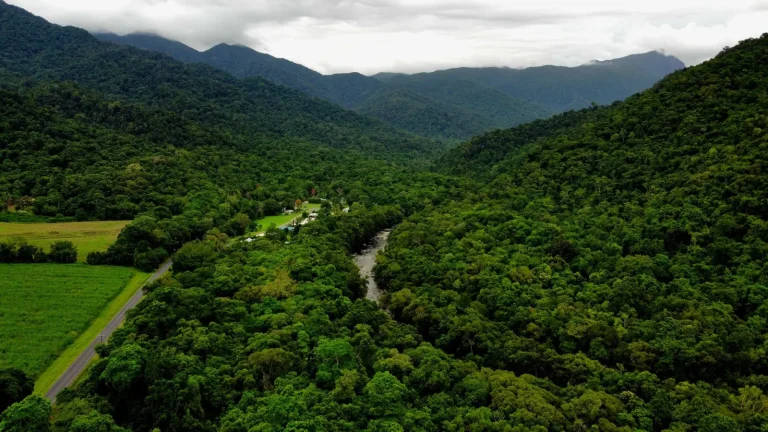
The fragmentation is the most obvious long-term threat. These forests exist as islands now, separated by farmland, cleared areas, and different vegetation types. This isolation affects species movement, genetic diversity, and ecosystem function. You notice it when you see the edge of the forest – the abrupt transition from rainforest to pasture or regrowth forest. That edge is not natural. Historically, these forests would have had gradual transitions and connectivity across much larger areas.
Invasive species are present in most sections, though their impact varies. Lantana is common in disturbed areas and along edges. Vines from introduced species can smother native trees. Feral animals – pigs particularly – cause significant damage to soil structure and understory vegetation. In some sections, you see clear evidence of this disturbance. In better-protected areas, the impacts are less visible, but the species are present.
Climate change is beginning to alter these systems in measurable ways. Rainfall patterns are shifting. Some species are moving upslope, seeking cooler conditions. The timing of flowering and fruiting is changing, which cascades through the food web. These changes are subtle if you visit once, but they are real and accelerating. The forests that survived the last climate shift may not survive this one unchanged.
Logging history is written into the structure of many sections. You can identify areas that were logged decades ago by the age structure of the trees and the presence of old stumps. Some forests have recovered reasonably well. Others still show the impacts – simplified structure, reduced diversity, altered hydrology. The oldest, least-disturbed sections are typically on steeper slopes or in areas that were difficult to access historically.
Understanding the Ecosystem Dynamics
Water movement is central to how these forests function. The canopy captures moisture from humid air, a process called occult precipitation. This moisture drips to the ground and feeds streams even when rain is not falling. The soil acts as a sponge, storing water and releasing it slowly. This buffering effect means the forest maintains relatively stable moisture and temperature conditions even when external conditions fluctuate. That stability is part of what allowed these species to persist.
Nutrient cycling operates differently here than in eucalypt forests. Decomposition is rapid in the warm, moist conditions. Nutrients are recycled quickly from leaf litter back into living plants. The mycorrhizal fungal networks that connect trees are complex and diverse. This tight cycling means nutrients do not leach away as readily as they do in more open systems. The forest is largely self-sufficient in nutrient terms, which is why it can persist on soils that might seem marginal.
The relationship between these forests and the broader landscape is asymmetrical. The rainforests depend on the protection that surrounding areas provide – they need the rainfall patterns that come from moisture-laden air masses, and they need the cooler temperatures of higher elevations. But they do not significantly influence the surrounding landscape. They are islands, dependent on external conditions, not drivers of them. This makes them vulnerable to regional climate shifts.
When you spend time in these forests, the sense of deep time becomes tangible. The massive trees, some of which are centuries old, the complex layering of vegetation, the presence of species found nowhere else – these are not recent developments. They represent stability over millennia. That stability is now being tested in ways it has not been before. The forests are still growing, still functioning, still supporting their complement of species. But the conditions that allowed them to persist are changing, and the future of these ancient systems is genuinely uncertain.