
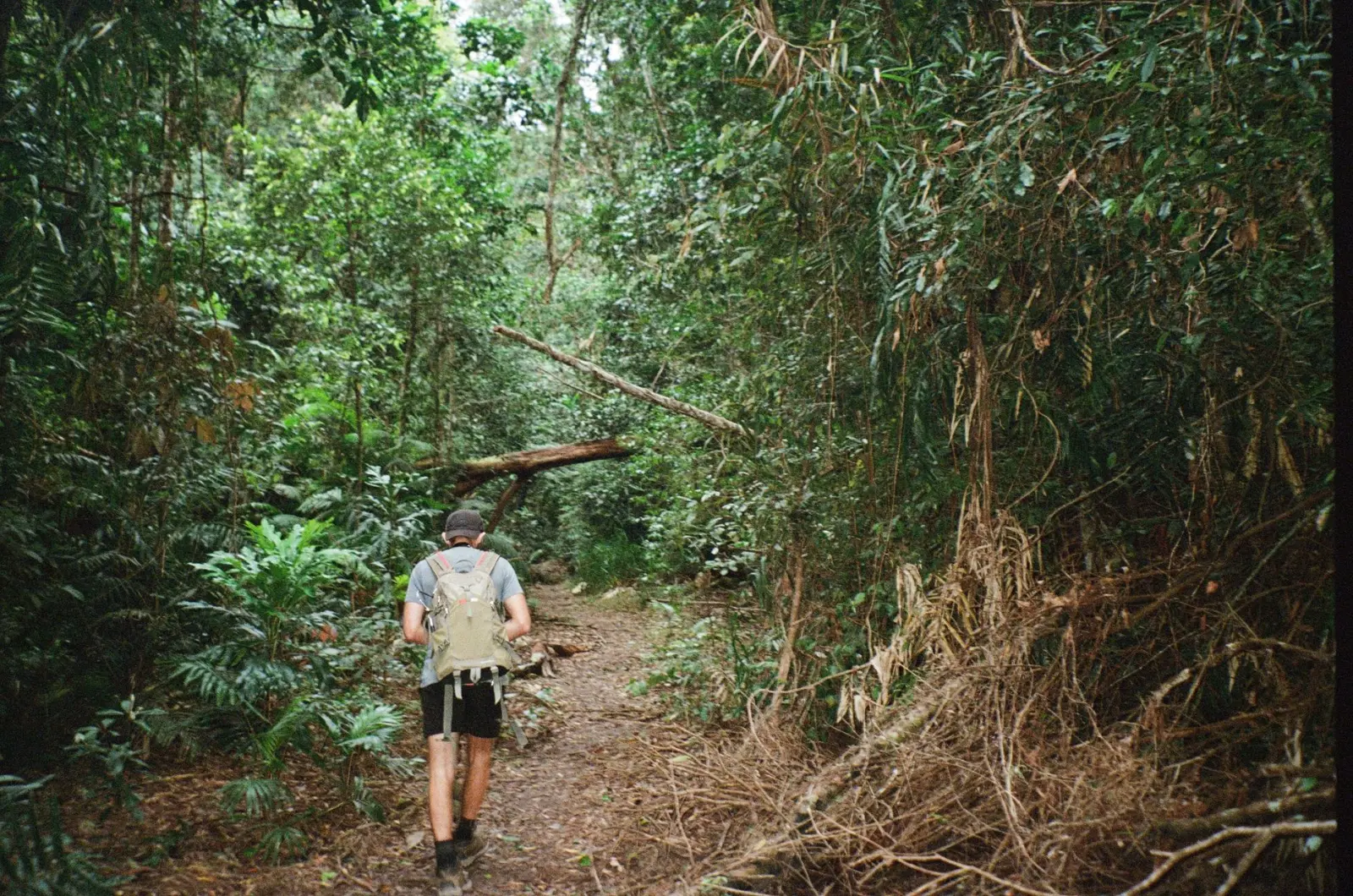
After spending weeks in Queensland’s rainforests – from the Daintree to the Wet Tropics around Cairns – you learn quickly that packing for this environment isn’t about following a list. It’s about understanding what the rainforest actually does to your gear and your body. The humidity, the insects, the sudden temperature swings, and the sheer persistence of moisture shape everything you bring.
Most people overpack. They arrive with luggage designed for temperate climates and realize within hours that their approach won’t work. The rainforest isn’t forgiving of poor choices, but it’s also not as complicated as the gear industry suggests. What matters is accepting that things will get wet, that comfort matters more than style, and that some items you think are essential will never leave your bag.
Clothing That Handles Moisture
Cotton is a trap in the rainforest. It absorbs moisture, stays damp, and becomes a breeding ground for mold and skin irritation. You’ll see experienced travelers in synthetics or merino wool – not because they’re fashionable, but because these materials dry faster and resist the fungal growth that thrives in warm, humid conditions.
Lightweight, quick-dry shirts and shorts are non-negotiable. You want fabric that sheds water and dries within a few hours of being wrung out. Merino wool performs surprisingly well in tropical heat; it regulates temperature and resists odor even when damp. A single pair of long pants is useful for walking through dense vegetation where insects and plants can scratch exposed skin, though you’ll wear shorts most of the time.
Bring more socks than you think necessary. Wet feet in the rainforest lead to blisters and fungal infections faster than you’d expect. Pack at least five pairs of synthetic or wool socks. Your shoes matter equally – waterproof hiking boots or trail shoes with good grip are essential. The ground is often muddy, roots are slippery, and a twisted ankle in the rainforest means a difficult walk out. Sandals or flip-flops are fine for camp or accommodation, but they’re not suitable for actual rainforest walking.
Rain Gear That Actually Protects
A rain jacket is mandatory, but not all rain jackets are equal in the tropics. Heavy, insulated jackets trap heat and sweat. You need something lightweight, breathable, and packable. A decent waterproof shell that folds into a small pack takes up almost no space and handles the frequent afternoon downpours that characterize Queensland’s wet season. Waterproof pants are less critical than people assume – your shorts will dry quickly once the rain stops – but they’re useful if you’re spending extended time in heavy rain.
A compact umbrella is worth considering, especially if you’re doing guided walks where you’ll be stationary for periods. It keeps rain off your head and shoulders without the heat buildup of a jacket. Many people dismiss umbrellas as impractical, but they work well in rainforest settings where you’re often moving slowly and stopping frequently.
Footwear and Foot Care
Your feet will be wet. Accept this and plan accordingly. Waterproof hiking boots with good ankle support are the standard choice, but they can feel heavy and hot. Some experienced rainforest travelers use trail runners with drainage holes instead – they’re lighter, dry faster, and provide adequate support on established paths. The trade-off is less ankle protection in rough terrain.
Bring a separate pair of shoes for your accommodation. Leaving wet boots to dry in a humid environment is ineffective; they’ll smell and potentially develop mold. A pair of lightweight camp shoes or sandals lets you air out your hiking footwear properly. Pack blister treatment supplies, antifungal powder, and perhaps a small foot file. Blisters and fungal infections are the most common foot problems, and they’re preventable with attention.
Sun and Insect Protection
The rainforest canopy filters much of the direct sun, but gaps exist, and your skin will still burn. Sunscreen rated SPF 50+ is essential, and you’ll need to reapply it frequently, especially after swimming or heavy sweating. A wide-brimmed hat protects your face and neck. Baseball caps don’t provide enough coverage; you want something with a brim all around.
Insect repellent is non-negotiable, but the type matters. DEET-based repellents are most effective against mosquitoes and other biting insects. Concentrations of 20 – 30% DEET are standard and effective. Picaridin is another option that some people tolerate better. Apply repellent to exposed skin and reapply after swimming or heavy sweating. Mosquitoes are active at dawn and dusk, and some species carry dengue fever, so this isn’t casual protection – it’s health management.
Long sleeves and pants during dawn and dusk provide an additional layer of defense. This sounds uncomfortable in tropical heat, but the alternative is itching for days. Many travelers wear lightweight, loose-fitting long sleeves during early morning walks and change into shorts once the sun is higher and mosquito activity drops.
Toiletries and Personal Care
Humidity accelerates everything – sweat, bacterial growth, fungal issues. Pack more toiletries than you would for a temperate destination. Antifungal powder is genuinely useful for preventing issues in warm, damp environments. A small bottle of tea tree oil or similar antifungal solution handles minor skin irritations before they become infections.
Biodegradable soap is important if you’re camping or staying in remote areas. Regular soap and shampoo work fine for accommodation with proper facilities. Deodorant is less about social convention and more about preventing bacterial growth in warm, moist skin folds. Lightweight, packable options exist if space is limited.
A small first-aid kit is practical. Include blister treatment, pain relief, antihistamine for insect bites, and any personal medications. Tropical environments mean minor cuts can become infected quickly. Antiseptic wipes and antibiotic ointment are worth the space they take.
Gear and Equipment
A lightweight daypack (20 – 30 liters) is essential for carrying water, snacks, and rain gear during walks. Hydration is critical in tropical heat; you’ll sweat constantly and lose electrolytes faster than you realize. Bring a reusable water bottle and consider electrolyte tablets or powder to add to water. Most accommodations and walking trails have water sources, but carrying your own means you’re never caught without.
A headlamp or small flashlight is useful, especially if you’re doing early morning walks or evening activities. The rainforest darkens quickly once the sun sets. A lightweight, waterproof option is ideal. Binoculars aren’t essential but enhance birdwatching if that interests you.
Waterproof bags for electronics and valuables are practical. Humidity and moisture damage phones and cameras. A simple dry bag or waterproof pouch protects these items. If you’re photographing, bring a lens cloth or microfiber cloth; condensation forms constantly on lenses in tropical humidity.
What Not to Bring
Heavy jeans, thick sweaters, and insulated jackets are dead weight. Multiple pairs of shoes beyond hiking boots and camp shoes add bulk without benefit. Excessive cosmetics and toiletries take space better used for practical items. Designer clothing gets destroyed in the rainforest – mud, moisture, and vegetation don’t respect fabric quality.
Leave behind anything you’re not willing to lose or damage. Expensive watches, jewelry, and electronics are at risk. The rainforest is wet, muddy, and unforgiving. Practical, affordable gear that performs well matters far more than anything branded or expensive.
The reality of rainforest packing is that you’ll learn as you go. Your first trip reveals what you actually used and what stayed in your bag. Most experienced travelers pare down their packing over time, keeping only what genuinely serves them. The goal isn’t to be prepared for every scenario – it’s to be comfortable, protected from the environment’s real hazards, and able to move freely through one of Australia’s most rewarding ecosystems.