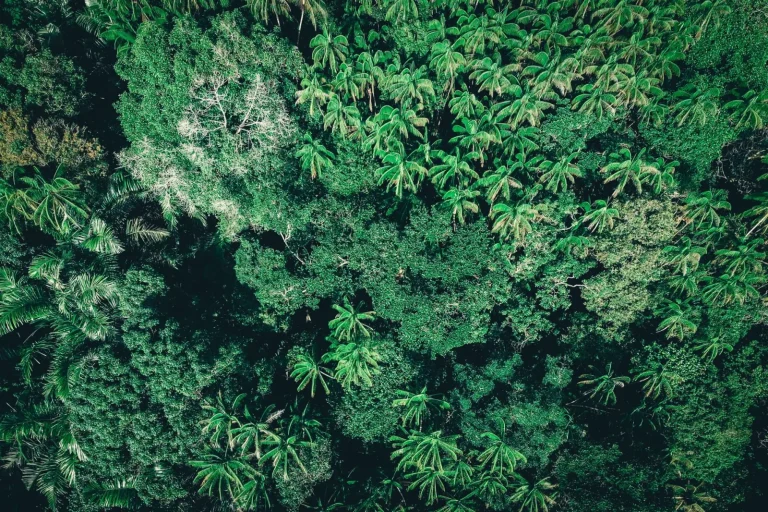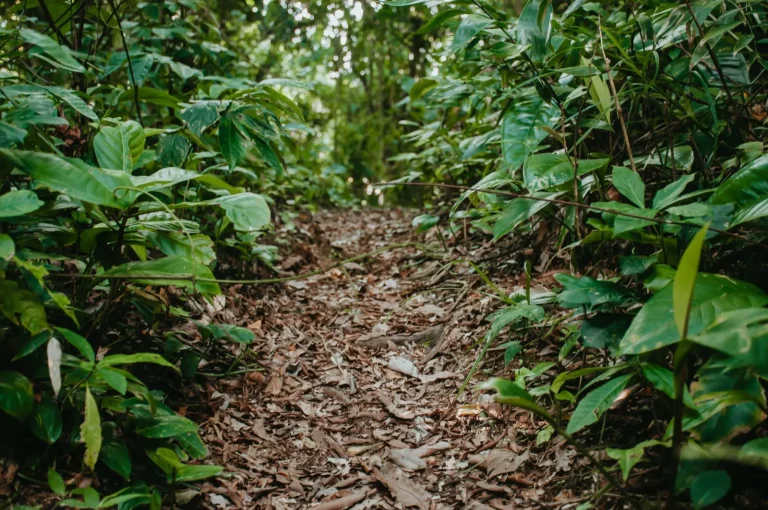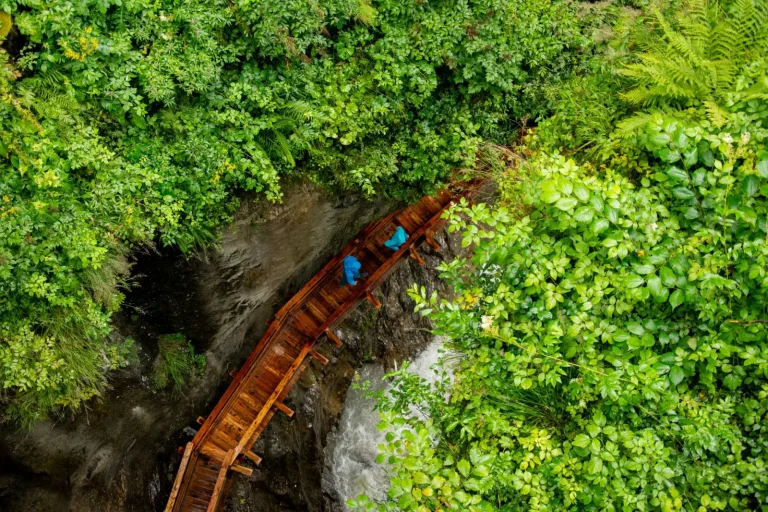

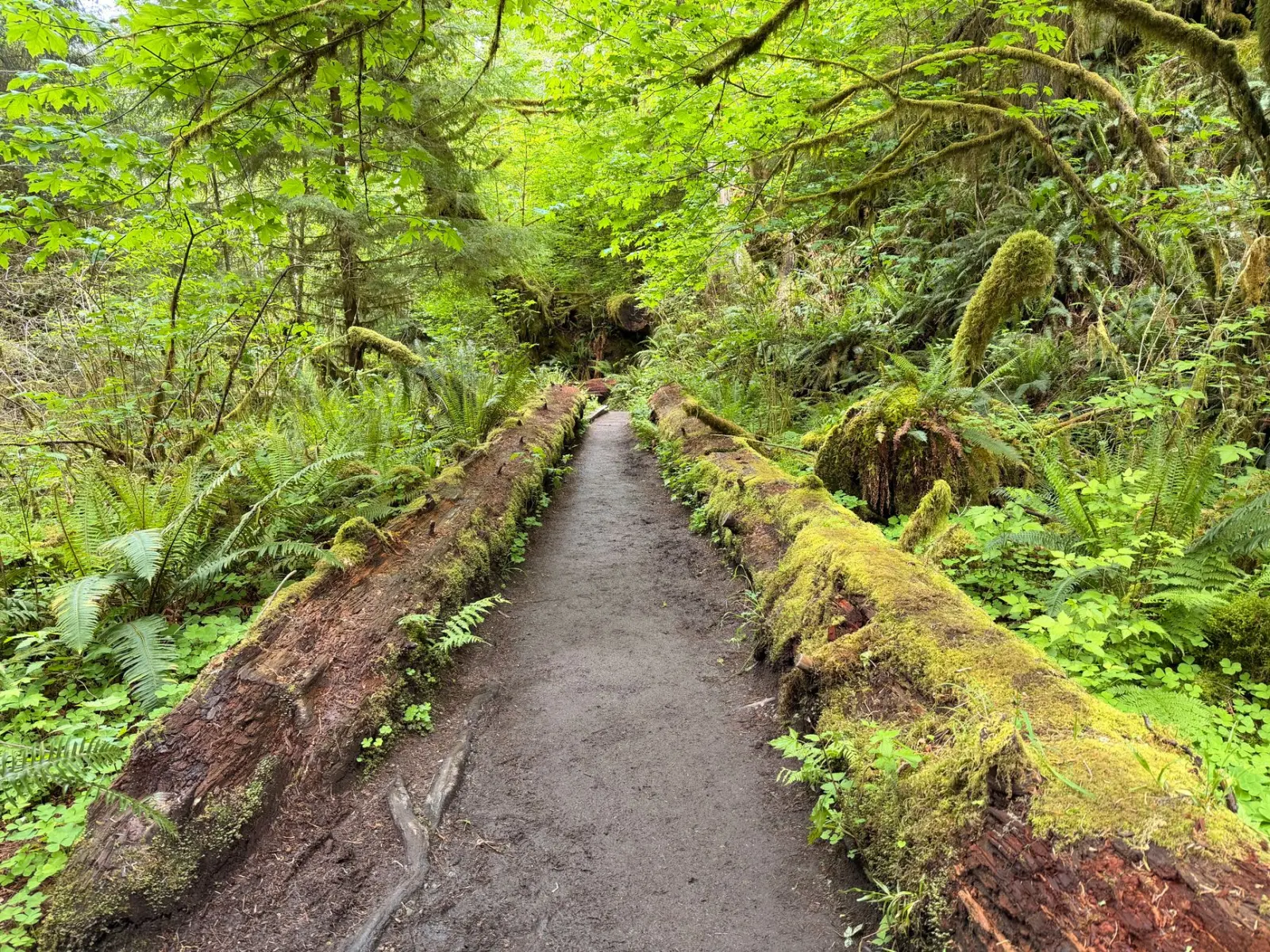
The rainforests around Hobart are nothing like the dense, equatorial versions you might picture. They’re temperate, which means they’re wet in a different way – not warm and steamy, but cold and relentlessly damp. I’ve walked these trails across seasons, and the experience shifts dramatically depending on when you go and how much rain has fallen in the preceding weeks. Most visitors underestimate both the mud and the time required, then find themselves rushing or turning back partway through.
The forest itself is striking in an understated way. Myrtle beech and mountain ash dominate the canopy, with thick moss covering nearly every surface – trunks, fallen logs, rocks. The understory is dense enough that you rarely see far ahead, which changes how you move through the landscape. You’re not scanning horizons; you’re watching your feet and the immediate path. This matters because it affects pacing and fatigue in ways that open-country walking doesn’t.
Fern Gully and the Hobart Vicinity
Fern Gully, accessed from the Ferntree area just outside central Hobart, is the most accessible rainforest walk nearby. The track is short – roughly 20 minutes one way – and well-maintained, which means it fills with people on weekends and school holidays. The gully itself is genuine rainforest, with tree ferns reaching overhead and a creek running through. The ground is invariably muddy, even after dry spells, because the canopy is so thick that water doesn’t evaporate quickly. Proper footwear matters here more than distance. I’ve seen people in street shoes struggle more than those in worn hiking boots, not because of the slope but because of the slick moss and mud that offer no grip.
The walk is short enough that most people complete it without issue, but the mud creates a false sense of ease. It’s easy to slip, and once you’re wet from a fall, the rest of the walk feels longer. The creek crossing at the base is usually shallow, but after heavy rain it can be knee-deep and moving fast. I’ve watched people wade through when they could have waited an hour for the water to drop, or turned back. The choice depends on what you’re trying to achieve and how much time you have.
Longer Routes and Real Logistics
If you want something more substantial, the walks around Mount Wellington or the longer forest tracks in the southern suburbs require genuine planning. The Tarn Shelf walk, for instance, starts in rainforest and climbs toward alpine moorland – roughly 8 kilometers return with significant elevation gain. The rainforest section is the easiest part technically, but it’s also where people tend to misjudge their pace. The forest is disorienting because there are no long sightlines. You can’t see how far you’ve come or how much farther you need to go, which plays tricks on your sense of progress.
I’ve noticed that people who walk regularly in open terrain often move too quickly through rainforest, then hit the exposed sections above the tree line and run out of energy. The mud and root-strewn ground demand constant attention, which is tiring in a different way than sustained climbing. By the time you emerge from the forest, you’ve already spent mental and physical effort that doesn’t show in distance or elevation gain.
Seasonal Variation and Conditions
Spring (September to November) is when the forest is least muddy, though still damp. The ground dries slightly, and the ferns are at their most vigorous. Autumn (March to May) is similar – less mud than winter, but the light is lower and the days shorter, which compresses your available walking window. Winter (June to August) is wet, cold, and muddy. The tracks don’t become impassable, but they’re significantly harder work. I’ve walked them in all seasons, and winter is when you notice the difference most acutely. Your legs tire faster in mud, and the cold means you can’t stop for long without getting stiff.
Summer (December to February) is paradoxically not the best time. It’s warmer, but the forest is still wet, and the warmth brings out insects and leeches. Leeches aren’t dangerous, but they’re persistent and unpleasant, and dealing with them slows you down. They’re most active after rain in warm weather, which is a specific window that catches many visitors off guard.
What Actually Works in Practice
Waterproof boots are non-negotiable, not because of rain (though that matters) but because of the constant moisture underfoot. Gaiters help keep mud out of your boots, which seems minor until you’re several kilometers in and your socks are wet with mud rather than water. Lightweight, packable rain gear is better than heavy jackets – you generate heat quickly in the forest, and the dense canopy provides some shelter.
Timing is more important than distance. A 5-kilometer rainforest walk takes longer than a 10-kilometer walk on open ground, and people rarely account for this. I’ve seen groups turn back frustrated because they thought they were moving slowly, when in fact they were moving at a reasonable pace for the terrain. Starting early matters, especially in autumn and winter when light fades by mid-afternoon. The forest is darker than open country even at midday, so by 4 PM you’re walking in genuine gloom.
The creek crossings and muddy sections are where most people struggle, not because they’re difficult but because they’re unexpected. Hobart’s rainforest walks don’t feel remote or challenging until you’re in them, and then the accumulated small obstacles – mud, roots, water, dense vegetation – create fatigue that’s hard to predict beforehand.
If you’re visiting Hobart and want to experience the rainforest, Fern Gully is genuinely worth the short detour. It’s not dramatic, but it’s real forest, and it’s close enough to the city that you can fit it into a day without logistics becoming complicated. For longer walks, be honest about your pace and fitness, and give yourself more time than you think you’ll need. The rainforest doesn’t punish you for being slow; it simply demands that you move through it at its pace, not yours.