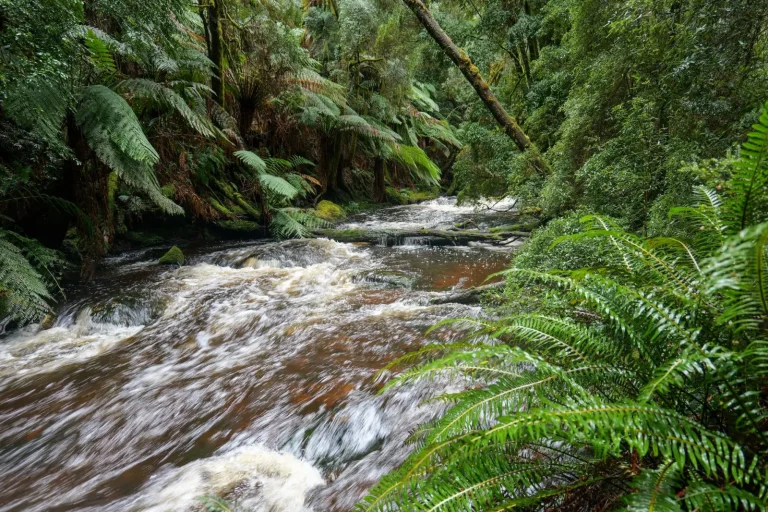

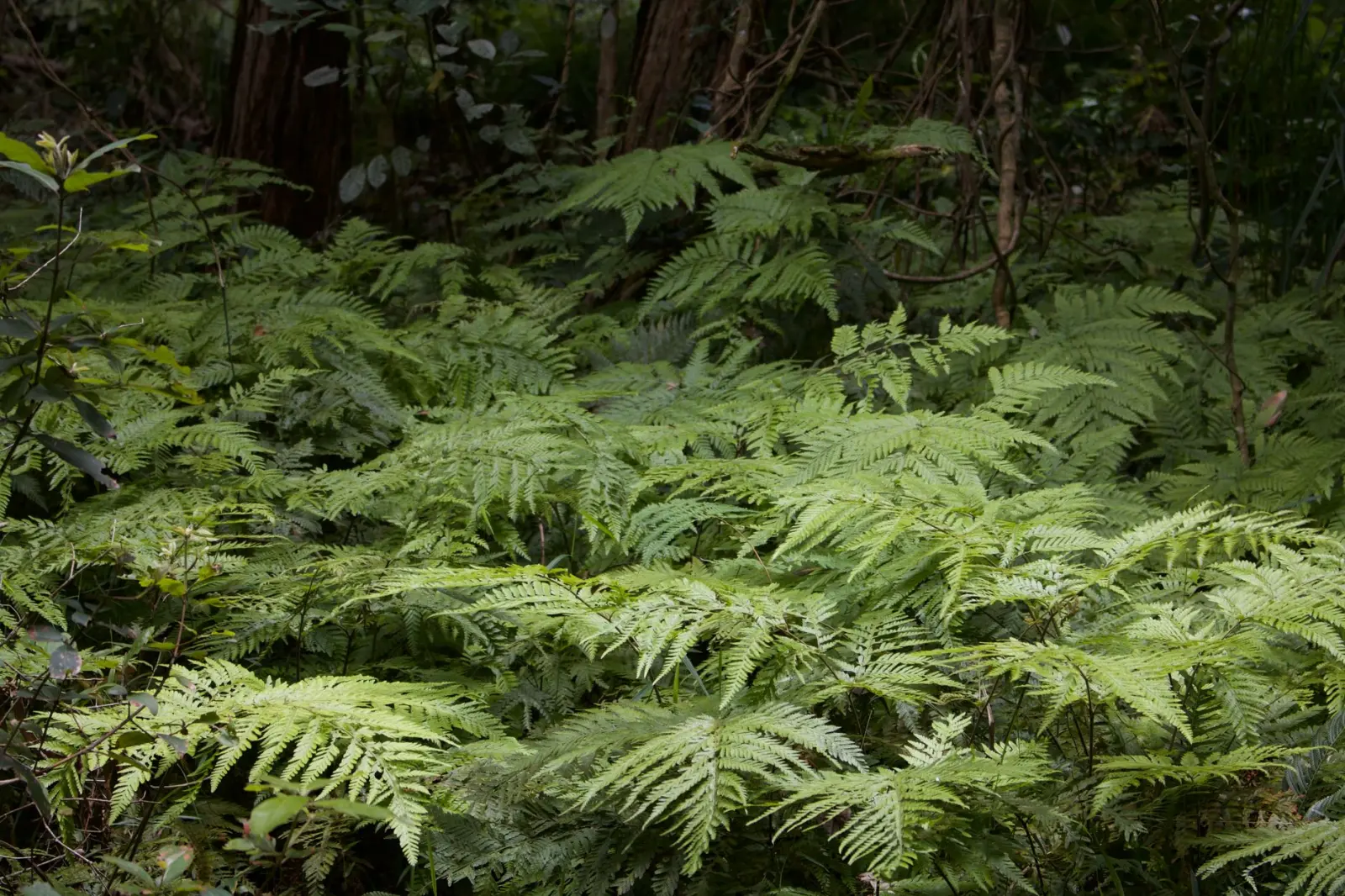
Walking through Australia’s tropical rainforests, you notice ferns before almost anything else. They’re everywhere – draped across trees, clustering on the forest floor, hanging from cliff faces. Most visitors barely register them as distinct plants. They see “green stuff” and move on to spot birds or larger wildlife. But spend time in these forests and you begin to understand that ferns aren’t just incidental vegetation. They’re the structural foundation of how these rainforests actually function, and their presence tells you something important about the conditions you’re standing in.
The reason ferns dominate tropical rainforests comes down to moisture and shade. Ferns reproduce through spores rather than seeds, and those spores need persistent dampness to germinate and establish. In a rainforest, where humidity stays high year-round and the canopy blocks direct sunlight, conditions are essentially perfect for fern reproduction. They don’t need to compete for light the way flowering plants do. They’ve evolved to thrive in the understory, in the dim, wet spaces where most other plants struggle. This is why you’ll find fern density increasing as you move deeper into the forest and away from cleared edges.
The Layering System and What It Reveals
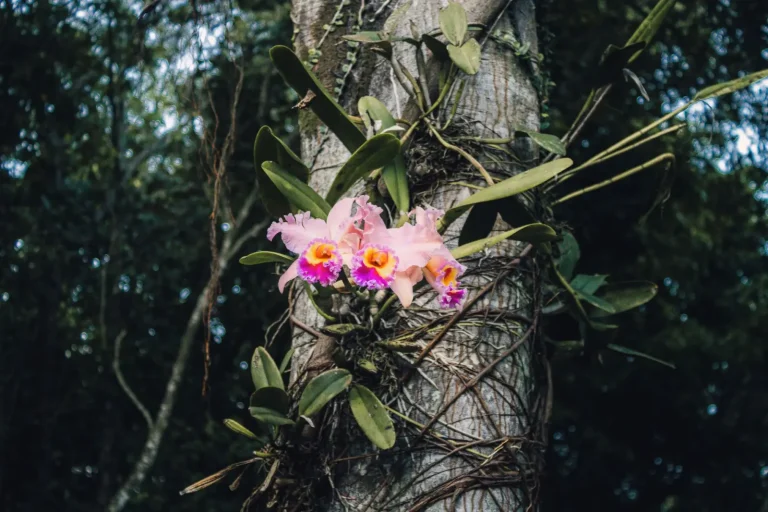
Tropical rainforests in Australia – particularly in Queensland’s Wet Tropics and parts of the Northern Territory – operate as distinct vertical layers, and ferns occupy nearly all of them. The canopy layer, 30 to 50 meters up, hosts epiphytic ferns that grow on tree branches and trunks without parasitizing them. These are the ones you notice when looking up through binoculars or when a tree has fallen and exposed its upper structure. They’re often delicate, with thin fronds and minimal root systems because they’re drawing moisture directly from the humid air and any water running down the tree.
Below that is the understory – the real fern territory. This is where you encounter the bulk of fern species, ranging from small ground-hugging varieties to tree ferns that can reach 15 meters or more. Tree ferns are particularly striking. Their trunks aren’t true wood but rather a dense mass of roots and rhizomes, which makes them relatively soft and slow-growing. You can sometimes date a tree fern by counting the scars left by old frond bases, though it’s a rough estimate. The presence of healthy tree ferns in a forest is a reliable indicator that the rainforest has been undisturbed for decades, possibly centuries. They don’t establish quickly, and they’re sensitive to logging and major disturbance.
The forest floor itself is carpeted with ferns of various sizes. Ground ferns often form dense mats that stabilize the soil and prevent erosion on steep slopes. This is something you notice immediately on rainforest walks – the forest floor is surprisingly stable despite being perpetually wet. That stability is largely due to fern root systems holding everything together. Without them, the constant moisture would turn the forest floor into unstable mud.
Species Variation and What You’ll Actually Encounter
Australia’s tropical rainforests host somewhere in the range of 60 to 80 fern species, though exact numbers shift depending on taxonomy and which areas you’re counting. Some are endemic, found nowhere else. Others are widespread across tropical regions. The variation matters less to most travelers than understanding what you’re actually looking at when you’re in the forest.
The most visually distinctive are the tree ferns. Cyathea cooperi, the Australian tree fern, is common in wetter areas and reaches heights that make it impossible to miss. Its fronds are fine and feathery, and when you’re standing beneath one, the light filtering through creates a particular quality that’s hard to describe until you’ve seen it. Dicksonia antarctica, the soft tree fern, prefers slightly cooler, higher-altitude rainforest and is often found in gullies where water flows year-round. Its fronds are coarser and more deeply divided than Cyathea species.
Ground ferns vary wildly in appearance. Some are small and delicate, with fronds only a few centimeters long. Others, like various species of Blechnum, form substantial rosettes that can dominate patches of forest floor. Climbing ferns exist too – they’re less common but worth noting because they’re easy to mistake for vines. They use their fronds to clamber up trees and other plants, seeking light. One thing that becomes obvious after spending time in these forests is that fern morphology is genuinely diverse. There’s no single “fern look,” despite what casual observation might suggest.
Moisture, Seasonality, and What Changes
Tropical rainforests in Australia don’t have a dry season in the way that savanna or monsoon forests do, but they do have wetter and less-wet periods. During the wettest months, typically December through March, fern growth accelerates noticeably. New fronds unfurl rapidly. Epiphytic ferns become even more lush. The forest feels almost impossibly green and dense. This is also when walking through the forest becomes genuinely uncomfortable – humidity approaches saturation, and you’ll be soaked within minutes regardless of rain.
During the drier months, fern activity slows but doesn’t stop. Ground ferns may look less vibrant, and some species will retract slightly or shed older fronds. Tree ferns continue their slow growth regardless of season. What’s interesting is that even in the “dry” season, the forest remains wet enough that fern reproduction continues. Spores germinate year-round, though more successfully during wetter periods. This continuous reproduction is why ferns maintain their dominance – they’re not dependent on a specific breeding season the way many flowering plants are.
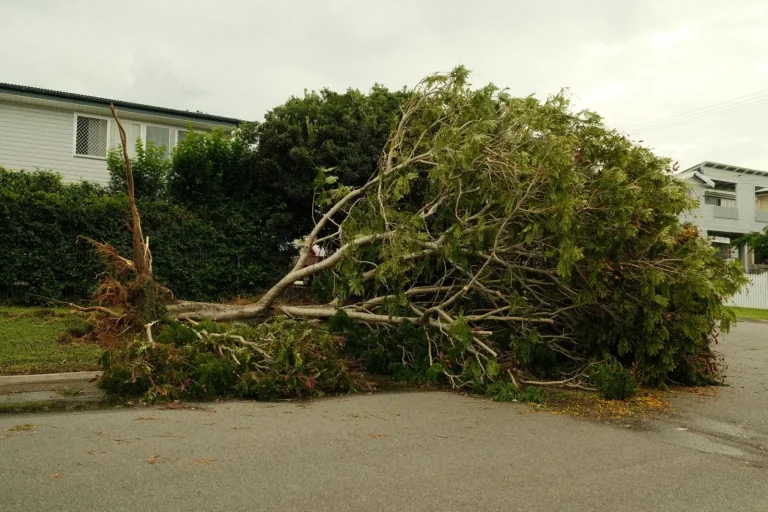
Disturbance changes this dynamic immediately. Logging, landslides, or storm damage that opens the canopy will shift fern composition. Light-demanding species move in. Shade-dependent species decline. A rainforest recovering from disturbance will show a different fern community than an old-growth forest. This is something you can read in the vegetation if you know what to look for. Dense young ferns of certain species often indicate relatively recent disturbance, while the presence of large tree ferns and complex fern layering suggests long-term stability.
The Practical Reality of Rainforest Walking
If you’re visiting a tropical rainforest in Australia, ferns will be unavoidable. They’ll brush against your legs on walking tracks. You’ll slip on their fronds if the track is steep and wet. You might accidentally grab a tree fern frond for balance and find it surprisingly soft and unstable. The fine spores from some ferns can irritate skin or eyes if you’re sensitive. None of this is dangerous, but it’s the texture of actually being in these forests, not just observing them.
Most walking tracks through rainforests are deliberately routed to minimize damage, which means they often follow natural drainage lines and ridges. Fern distribution along these tracks is rarely random. You’ll notice denser ferns in gullies and on slopes where moisture accumulates. Open areas where ferns are sparse usually indicate either recent disturbance or naturally drier microclimates. Learning to read these patterns makes rainforest walking more interesting because you’re no longer just seeing vegetation – you’re seeing the forest’s response to its own conditions.
The ferns themselves don’t require any special attention from visitors. They’re not fragile in the way that some plants are. Stepping on them won’t destroy them. They’re part of a system that’s been functioning for millions of years. What matters is understanding that they’re not decoration or background. They’re the mechanism by which tropical rainforests maintain themselves in the wet, shaded conditions where they thrive. When you’re tired and sweating and the humidity is making everything feel heavy, the ferns around you are doing the work of keeping that forest standing.