
The creeks in Gondwana rainforests don’t behave the way most people expect them to. I’ve spent enough time wading through them to know that the difference between a pleasant afternoon and a difficult one often comes down to understanding what the water is actually doing at any given moment, not just whether it’s flowing.
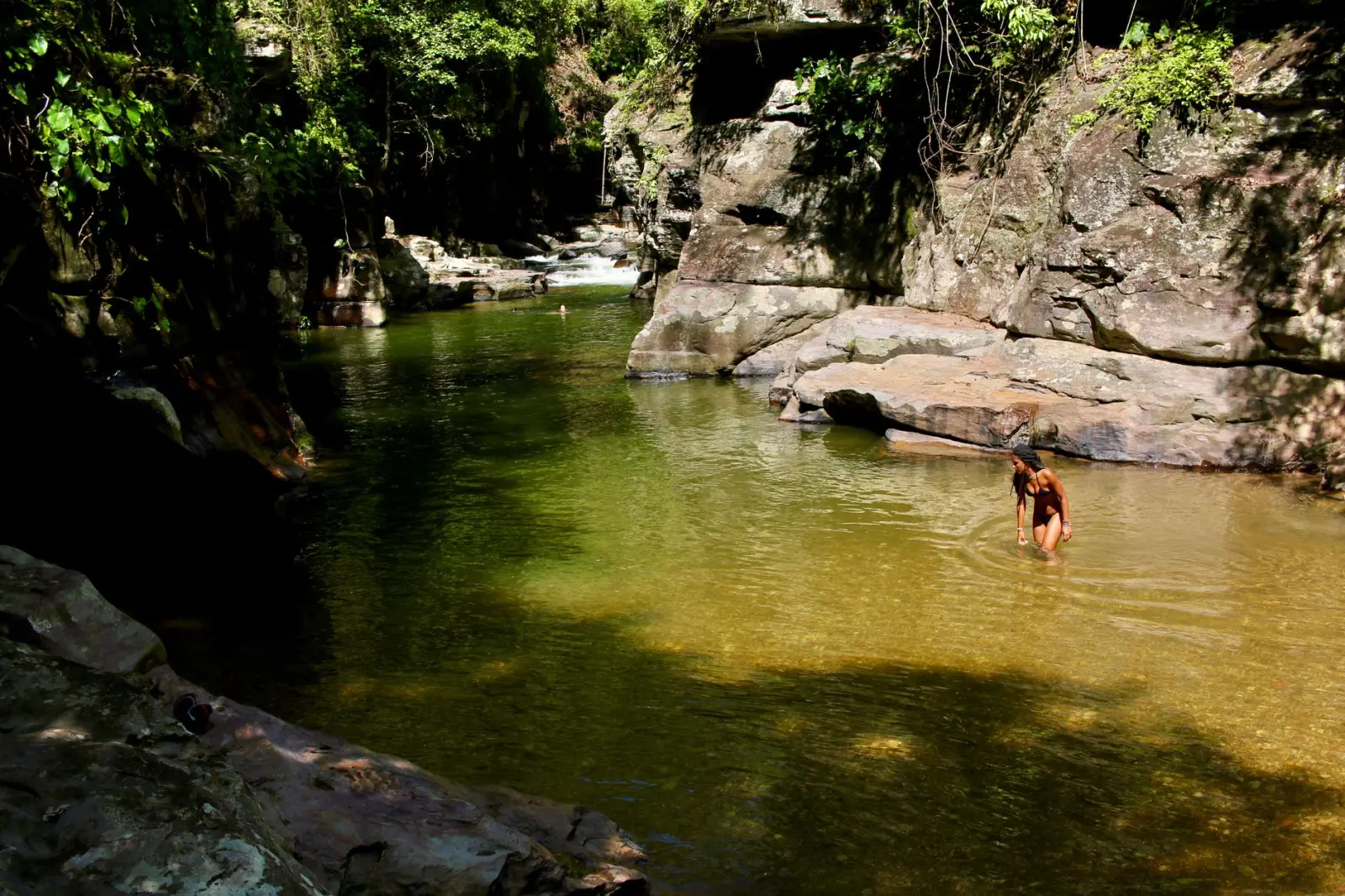
Gondwana rainforests – primarily in northern New South Wales and southern Queensland – sit in a landscape shaped by water movement. The creeks here aren’t clear alpine streams. They’re tannin-stained, rock-bottomed systems that move through dense vegetation and can shift character dramatically depending on recent rainfall, time of day, and which tributary you’re following. The water often looks darker than you’d expect, sometimes almost tea-colored, which is normal and not a sign of pollution. That’s the tannins from leaf matter breaking down in the forest.
What catches most people off guard is the temperature. Even on warm days, creek water in these rainforests stays cold. The canopy is dense enough that direct sunlight rarely reaches the water surface, and the water temperature can drop noticeably as you move deeper into the forest. I’ve seen visitors who were comfortable in shorts and a t-shirt become uncomfortable within twenty minutes of wading. The cold isn’t dangerous at these elevations, but it does tire your legs faster than you’d anticipate.
Seasonal Water Behavior
The creeks respond to rainfall patterns in ways that aren’t always obvious from the weather forecast. A storm system that moves through can cause water levels to rise significantly within an hour, even if you’re not directly under the heaviest rain. The catchment area feeding a creek can be much larger than the visible drainage, so upstream rainfall affects downstream conditions more than you’d expect. I’ve watched a creek go from ankle-deep to knee-deep in the time it takes to eat lunch.
During the drier months – roughly May through September – many creeks become more manageable. Water levels drop, rocks become more stable underfoot, and the overall experience is less physically demanding. The trade-off is that vegetation encroaches more on the creek bed, and you’ll spend more time pushing through overhanging branches. In the wetter months, higher water clears some of the vegetation but makes footing less certain and can make some creek sections impassable without proper planning.
Rock and Substrate Conditions
The creek beds themselves are deceptive. Most are composed of smooth rocks – boulders, cobbles, and smaller stones worn round by decades of water movement. The smoothness is part of the problem. Wet, smooth rock is slippery in ways that aren’t obvious until you’re actually on it. Moss grows on rocks in shaded sections, and that moss is slicker than the bare stone. Algae buildup varies by season and sunlight exposure, but it’s always worth assuming that any green-colored rock surface is going to be slippery.
Walking in creeks requires different footwear and technique than hiking on dry ground. Standard hiking boots with aggressive tread don’t grip wet rock the way people assume. Many experienced creek walkers in this region use water shoes or shoes with sticky rubber soles designed for wet conditions. The alternative is accepting that you’ll slip occasionally and moving more slowly. I’ve seen the difference between someone in proper footwear and someone in regular boots – the person in proper shoes moves with confidence, while the other person is constantly bracing against rocks to stay upright.
Navigation and Route Finding
Creeks don’t always follow a single clear path. Depending on water levels and vegetation, the main flow might split into multiple channels, some of which lead into dead ends or become impassable. The landscape can look confusing when you’re in it, even if the overall direction seems straightforward. I’ve watched groups spend an hour working through a section that could have been bypassed by moving slightly upslope, but that decision is only obvious in retrospect.
The vegetation around creeks in Gondwana forests is dense and often forms barriers that aren’t apparent from a distance. Fallen trees create obstacles that require scrambling over or finding a way around. Some creeks have sections where the banks are steep and climbing out isn’t practical, so you’re committed to following the water. Knowing which creeks have these constraints and which ones are more straightforward makes a significant difference in planning. Local knowledge or detailed route information is valuable here – not because the creeks are dangerous, but because unexpected obstacles waste time and energy.
Wildlife and Ecological Presence
The creeks are active ecosystems, and you’re moving through habitat. Freshwater crayfish, platypuses, and various fish species live in these systems. Platypuses are shy and rarely seen, but evidence of them – burrows in the banks, disturbed sediment – is common. The presence of wildlife isn’t a concern in terms of safety, but it’s worth being aware that you’re moving through an environment where animals depend on the water. Staying aware of your surroundings and moving quietly means you’re less likely to disturb them, and you might actually see something interesting.
Leeches appear in wetter months and can be a genuine irritation. They’re not dangerous, but finding one attached to your leg is unpleasant. Salt or insect repellent applied to exposed skin before entering the water reduces the likelihood of attachment. Checking yourself periodically while in the creek and again after you’ve left the water helps catch them early. It’s a minor issue but one that affects the overall experience, particularly for people who haven’t encountered them before.
Physical Demands and Pacing
Creek walking is more tiring than walking on flat ground because every step requires balance and careful foot placement. Your legs work harder to stabilize on uneven, moving surfaces. The cold water also accelerates fatigue in the lower legs and feet. I’ve seen people underestimate this and run out of energy faster than they expected. A three-kilometer creek walk can feel longer and more demanding than a five-kilometer hike on a trail.
The pace is inherently slower. You’re not moving continuously; you’re stopping to find the best route through obstacles, to assess water depth around bends, and to manage footing on difficult sections. A realistic expectation is that you’ll cover less distance than you would on a marked track, and you’ll be more tired at the end. Planning accordingly – starting early, allowing extra time, and not overcommitting to distance – makes the experience more enjoyable and safer.
The creeks of Gondwana rainforests reward attention and realistic expectations. They’re not technically difficult, but they demand respect for the conditions and an understanding that water systems behave according to their own logic, not according to what visitors plan. The best experiences come from moving slowly, watching how the water moves, and accepting that the forest operates on its own schedule.