
Cape Tribulation’s rainforest walks occupy a strange middle ground in Australian travel. They’re accessible enough that most visitors can manage them, yet demanding enough that people regularly underestimate what they’re getting into. I’ve watched plenty of walkers set out in the wrong shoes, wrong time of day, or with completely unrealistic expectations about what “rainforest” actually means in practice.
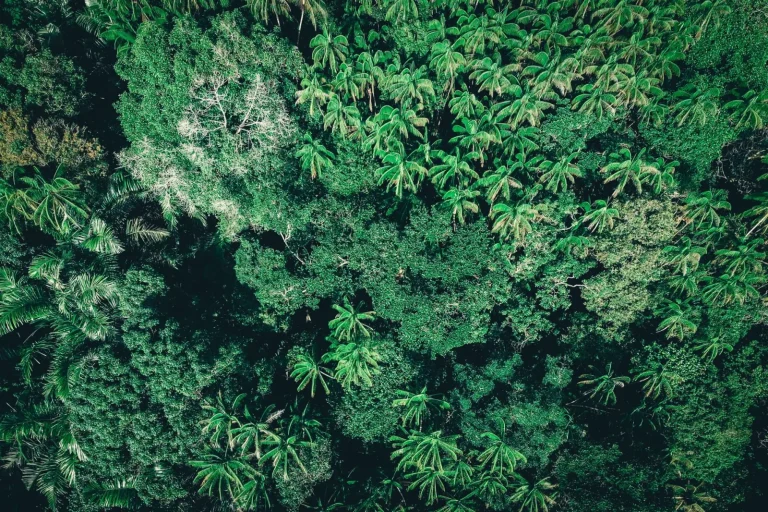
The rainforest here isn’t a gentle forest with clearings and views. It’s dense, humid, and relentlessly green. The canopy sits so thick overhead that even at midday, the light feels muted and gray. The air doesn’t move much – it hangs. Temperature and humidity combine in a way that makes your body work harder than the actual walking distance would suggest. A two-hour walk can feel substantially longer because your breathing becomes labored and your pace naturally slows. This isn’t weakness; it’s physics and physiology meeting tropical conditions.
Timing and the Heat Reality
Most guides recommend early morning walks, and they’re right, but not for the romantic reasons you might imagine. The difference between a 7 a.m. start and a 10 a.m. start is significant. By mid-morning, the humidity has intensified and the temperature has climbed enough that you’re sweating before you’ve walked fifty meters. The early start also means you’re finished before the afternoon heat peaks, which matters more than people realize when you’re moving through an environment where your body can’t cool itself efficiently.
That said, early morning brings its own rhythm. The rainforest is quieter then, but also less active. If you’re interested in wildlife, the advantage is overstated. Most animals in this rainforest are either nocturnal or move deeper into the forest during the day regardless of the time. You might see more birds early on, but the real wildlife observation happens by chance, not by timing.
The Trails Themselves
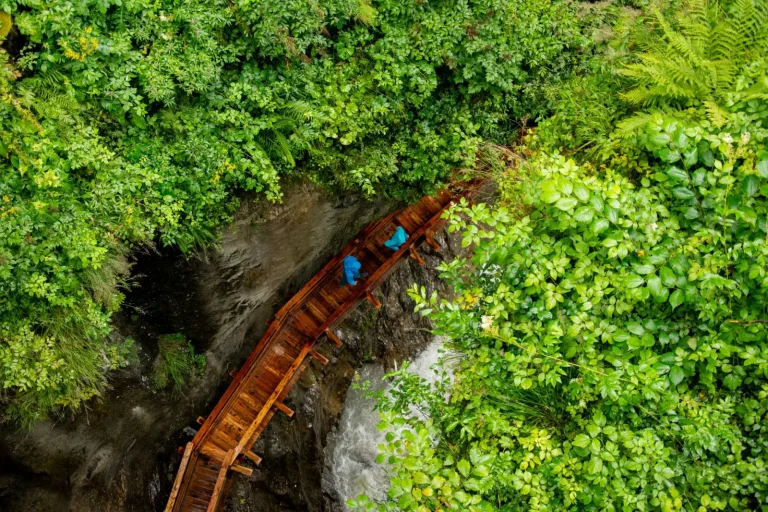
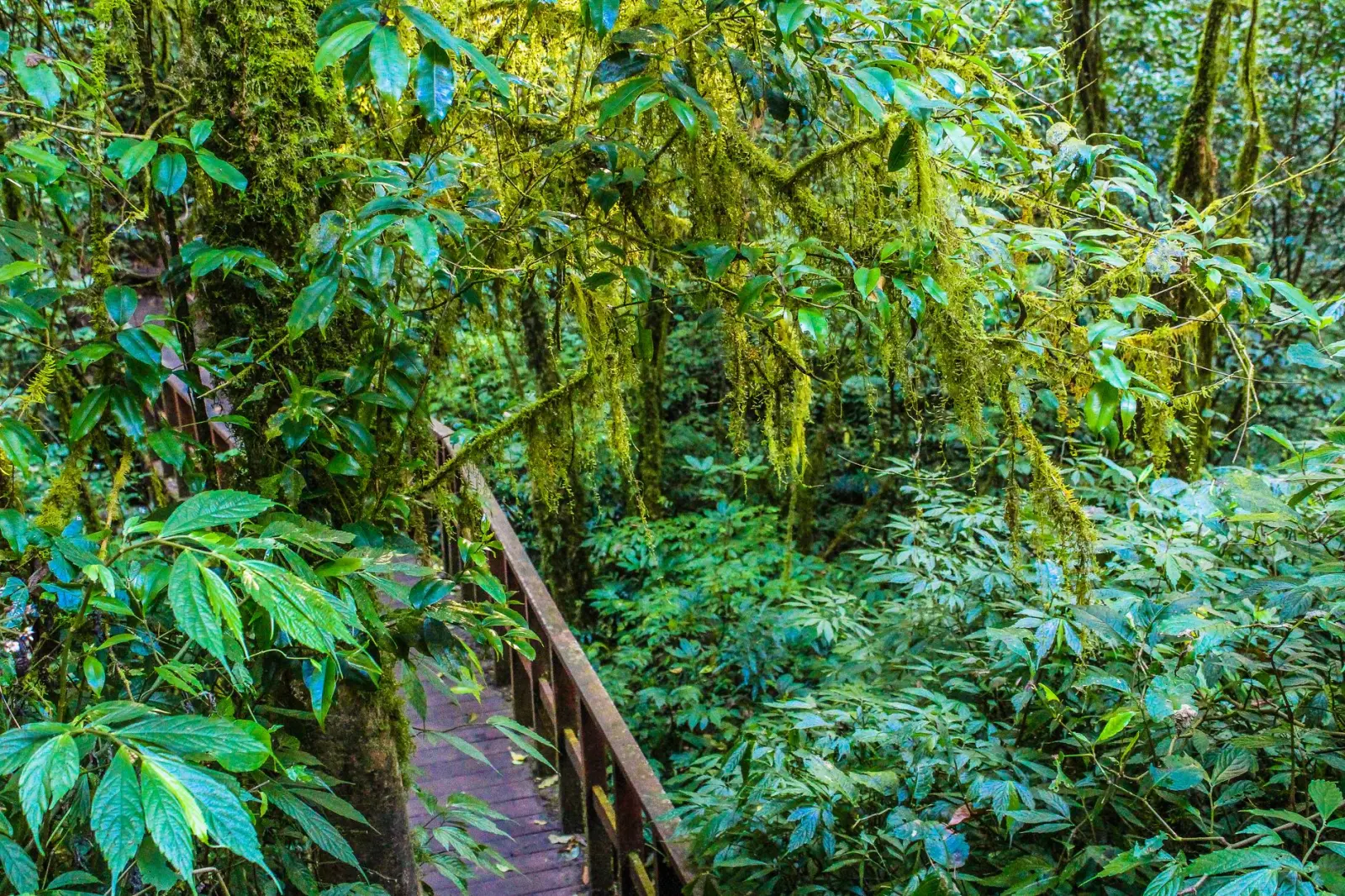
Cape Tribulation has several established walks, and they vary considerably in what they demand. The Myall Beach circuit is relatively straightforward – it’s flat, well-maintained, and takes about an hour without rushing. It’s the kind of walk where you can actually look around and notice things rather than focusing entirely on foot placement. The Jungle Canopy Boardwalk is shorter and more managed, built specifically to minimize impact and keep people on a defined path. It’s useful if you want the rainforest experience without the full immersion.
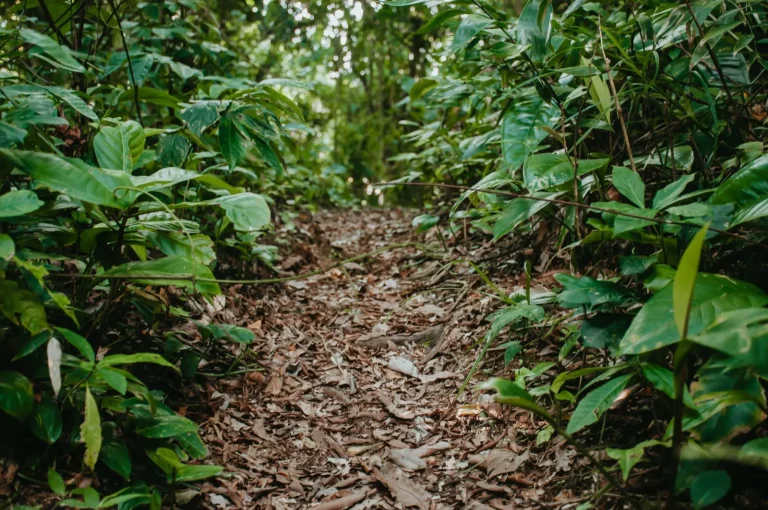
The Emmagen Creek walk and the tracks leading toward the interior are different propositions. These trails are narrower, muddier, and less predictable underfoot. After rain – which happens frequently – they become slippery and require genuine attention to balance. The mud here isn’t just wet earth; it’s a particular consistency that doesn’t grip boot soles well. I’ve seen people slip and fall on sections that look innocuous. The roots that cross the path aren’t obstacles you step over once; they’re continuous, and misjudging height or spacing catches people regularly.
The Daintree Discovery Centre has its own network of walks, and they’re worth considering if you want a more curated experience. The paths are better maintained, and there’s interpretive signage that actually adds context rather than just stating obvious facts. The trade-off is that you’re sharing the space with more people, and the experience becomes less solitary. Neither approach is wrong; it depends on what you’re after.
What the Environment Actually Demands
Footwear matters more than most people acknowledge. Thongs or casual sneakers are inadequate. The trails are wet or damp most of the time, and your foot needs grip and support. Proper hiking boots or trail shoes with good tread and ankle support aren’t overkill; they’re practical. I’ve watched people in inappropriate shoes move slowly and carefully, which is actually safer than rushing, but it transforms a pleasant walk into a cautious, stressful experience.
Insects are present but rarely the problem people imagine. Mosquitoes exist, particularly near water, but they’re not swarming clouds. Leeches appear after rain, and they’re unsettling if you’re not expecting them, but they’re not dangerous. They’re more of an annoyance – you’ll find them on your socks and lower legs, and they leave small marks that itch. Insect repellent helps with mosquitoes but doesn’t deter leeches. Long pants and socks reduce exposure significantly.
Water is essential. The humidity means you’re losing moisture constantly through perspiration, and you might not feel thirsty because the sweat isn’t evaporating. People regularly underestimate their fluid needs and end up feeling lightheaded or developing a headache by the end of the walk. Carrying at least two liters is reasonable for a half-day walk. The trails don’t have water stations, so you’re carrying what you need from the start.
The Practical Reality of Moving Through This Space
The rainforest moves slowly. You can’t maintain a brisk pace; the terrain and the conditions don’t permit it. This isn’t a fitness test. A person in average fitness can complete any of the standard walks, but they’ll move at the rainforest’s pace, not their own. This is worth accepting before you start. The walks are measured in time, not distance, and the time is genuinely needed.
Weather changes rapidly. A walk can start in overcast conditions and transition to rain within minutes. The rain here isn’t usually heavy downpour; it’s more often persistent drizzle that adds to the moisture already in the air. The trails don’t become impassable, but they become more slippery and the visibility decreases. If you’re uncomfortable with wet conditions, you’ll be uncomfortable on most rainforest walks in this region.
The experience is cumulative rather than dramatic. You won’t have a single moment where you suddenly understand the rainforest. Instead, you notice the layering – the canopy above, the understory, the ferns and palms at ground level, the constant sound of water and insects. You notice how the light changes as you move through different sections. You notice how quiet it is despite the constant ambient sound. These observations build gradually, and they’re the actual value of spending time in this environment.
Most people leave Cape Tribulation’s rainforest walks satisfied but not transformed. They’ve moved through a genuinely different ecosystem, they’ve felt the physical demand of tropical conditions, and they’ve seen something they don’t see in their regular lives. That’s enough. The walks aren’t meant to be life-changing; they’re meant to be real encounters with a specific place, and they deliver on that consistently.