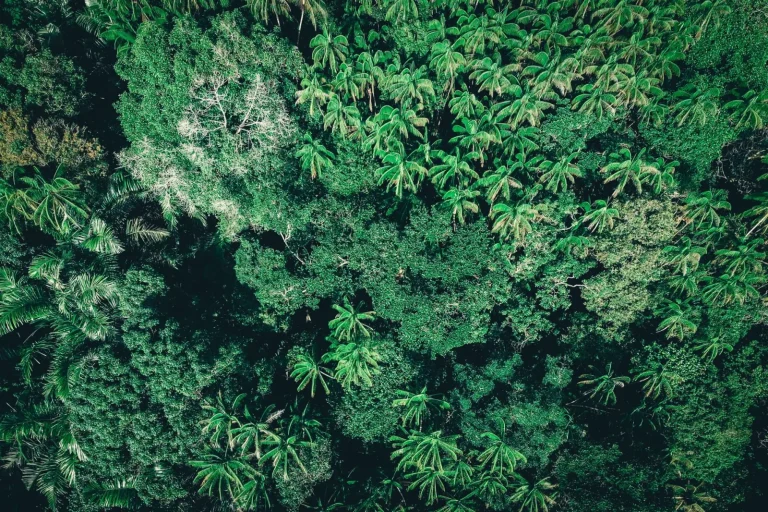

Dorrigo National Park sits on the Atherton Tablelands edge, and the escarpment walks there operate under conditions most people don’t fully anticipate until they’re already committed to the path. The rainforest itself is dense, humid, and structurally complex in ways that photographs don’t convey. After multiple visits across different seasons, certain patterns become clear about what makes these walks manageable or exhausting, and where most visitors tend to misjudge their own capacity.
The park’s main appeal is straightforward: you get genuine subtropical rainforest without the crowds of more famous Queensland destinations, and the escarpment provides elevation change that creates real variety in the landscape. But that elevation change is the first thing to understand clearly. The walks here aren’t long by distance, but they’re steep. A 5-kilometer walk on an escarpment isn’t the same as a 5-kilometer walk on flat terrain, and the park’s official distance markers don’t always account for how the gradient affects actual walking time and energy expenditure.
The Physical Reality of Escarpment Terrain
The dominant characteristic of these walks is sustained incline. Whether you’re ascending or descending, your legs are working continuously against gravity. The ascent up the escarpment typically takes longer than the descent, which sounds obvious, but the fatigue pattern is worth noting. Most people manage the climb adequately – adrenaline and the novelty of the forest keep them moving – but the descent is where problems emerge. Tired quads on a steep downhill slope create impact stress that accumulates quickly. By the time you reach the bottom, knees often feel compromised even if the muscles haven’t failed entirely.
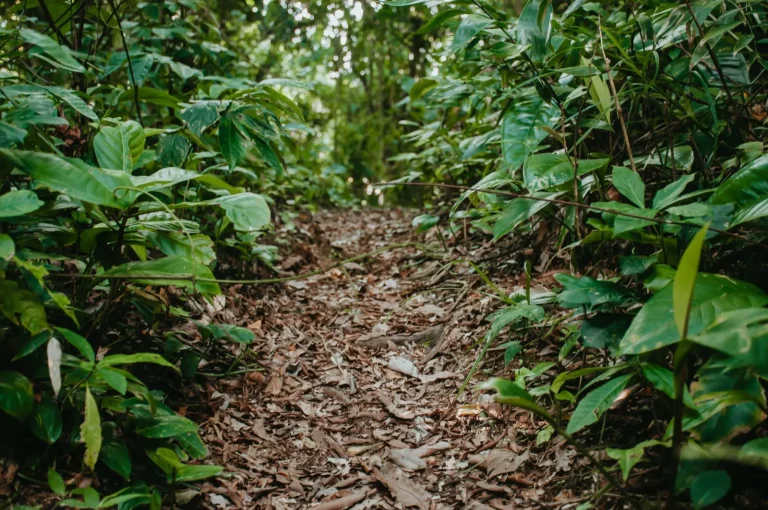
The ground itself is uneven in a way that demands constant micro-adjustments. Rainforest soil is soft in places, compacted in others, and frequently interrupted by tree roots that have grown across the path. These roots aren’t obstacles you step over once; they’re present throughout the walk, requiring attention with every footfall. This constant engagement of stabilizer muscles – the small muscles around ankles and hips – creates fatigue that’s different from the straightforward muscle burn of a steep climb. It’s cumulative and often doesn’t register as “tiredness” until you’re already depleted.
The humidity in the rainforest is substantial. Even on cooler days, the air is thick and moisture-laden. This affects how your body cools itself. Sweat doesn’t evaporate efficiently, so you feel hotter than the actual temperature would suggest. Dehydration happens faster than most people expect, and the psychological effect of feeling overheated while exerting yourself can create a sense of exhaustion that’s partly physical and partly mental. Bringing adequate water isn’t optional; it’s the difference between a manageable walk and a genuinely unpleasant one.
Seasonal and Weather Variables
The park operates year-round, but the conditions vary significantly. During the wet season (roughly November through March), the paths become slippery and muddy. Grip is compromised, and the walk takes noticeably longer because you’re moving more carefully. The humidity is also at its peak, which compounds the cooling issues mentioned above. Wet-season visits aren’t impossible – the rainforest is arguably more visually dramatic with higher water flow in creeks and more active wildlife – but they demand more caution and slower pacing.
Dry season walks (May through September) are generally more pleasant in terms of underfoot conditions and humidity levels, but they’re busier. The park becomes more accessible and appealing to casual visitors, which means trails can feel crowded, particularly on weekends. The trade-off is real: easier walking conditions but less solitude and more interaction with other groups. Early morning starts make a noticeable difference in how many people you encounter.
Navigation and Trail Marking
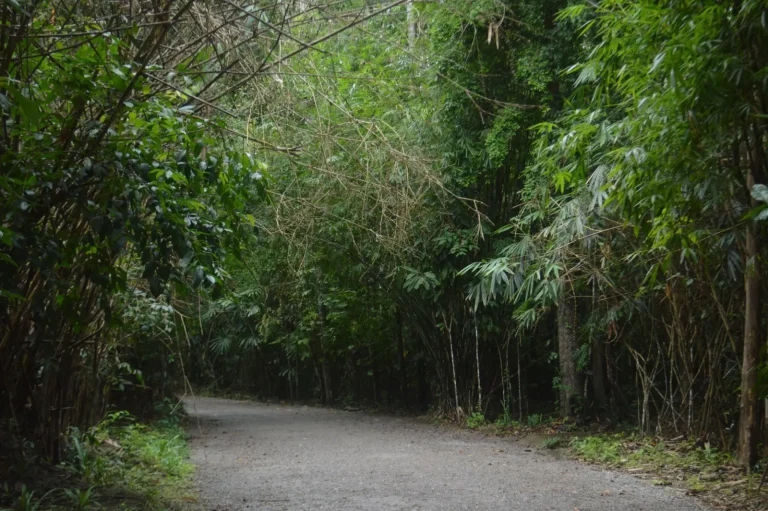
The main escarpment walks are adequately marked, but the marking style assumes a certain level of trail awareness. Blazes and signs exist, but they’re not constant. In sections where the path is obvious, marking is sparse. In sections where the trail becomes less clear – particularly where multiple informal routes have developed – the official markers can be easy to miss if you’re not actively looking. This isn’t a serious navigational challenge on the main walks, but it means you can’t walk on autopilot. Attention is required throughout.
The Crater Lakes circuit and the escarpment rim walk are the two primary options, and they differ meaningfully in character. The Crater Lakes walk involves more elevation change and passes through more varied forest types. The escarpment rim walk is longer but less steep, offering more consistent views across the tablelands. Neither is technically difficult, but the physical demands are different enough that choosing the right walk for your fitness level matters considerably.
Practical Timing and Pacing
Official walk times tend to be optimistic. A walk listed as 1.5 hours frequently takes 2 to 2.5 hours for most people, particularly if you’re moving at a pace that allows you to actually observe the forest rather than simply transit through it. The rainforest rewards slower movement – there’s wildlife to notice, plant diversity to take in – but slower movement also means longer time in the humid environment and more cumulative fatigue.
Starting early matters. The temperature is cooler in early morning, humidity feels slightly less oppressive, and you encounter fewer other walkers. A walk that feels manageable at 7 a.m. can feel genuinely taxing by 11 a.m., even if the actual difficulty hasn’t changed. The park’s facilities open early enough to support this, though the car park can fill up on popular weekends.
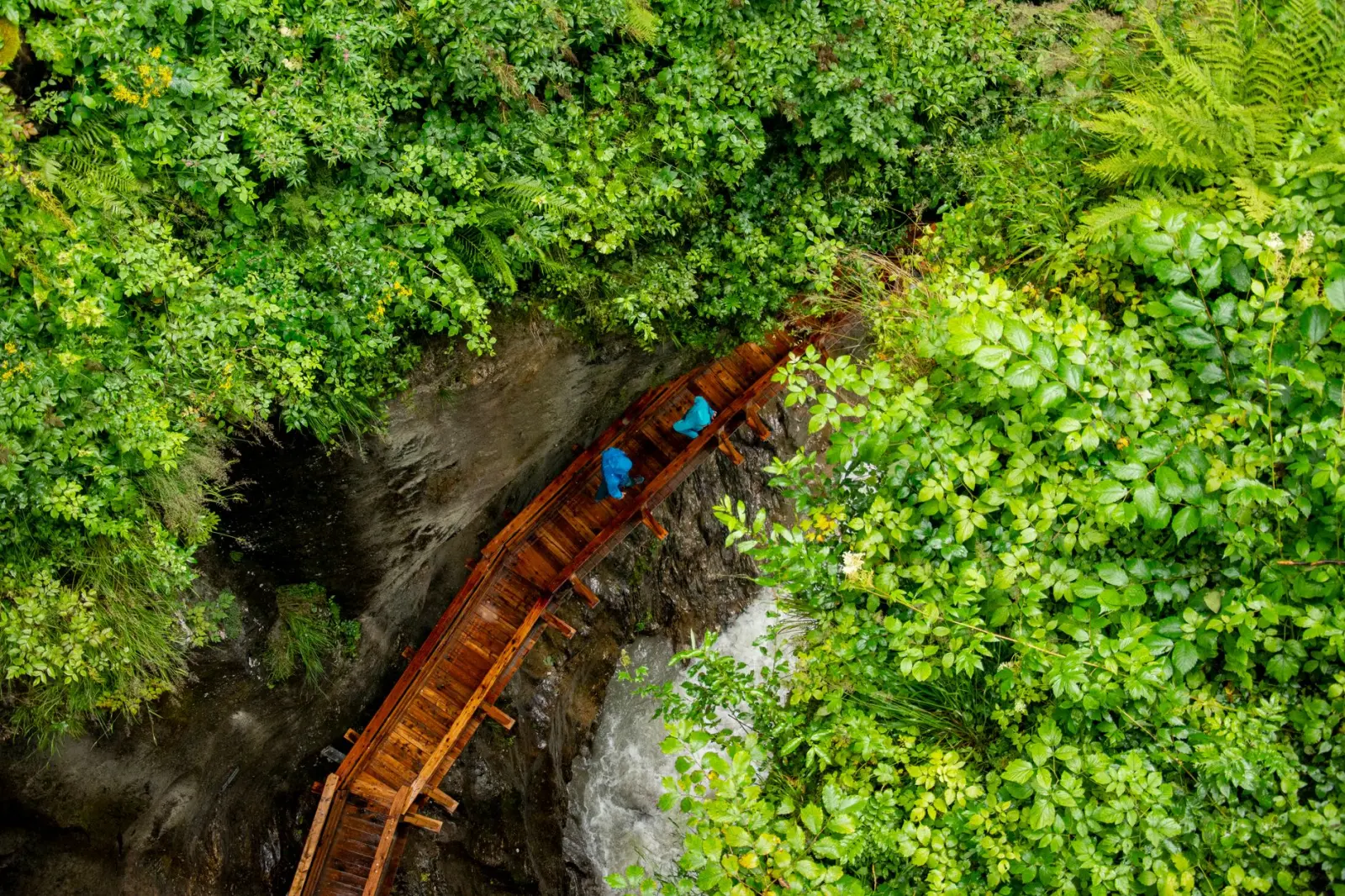
Rest stops are important and often underutilized. The park has several creek crossings and lookout areas that are natural places to pause. Taking a 5 or 10-minute break to cool down and rehydrate makes a significant difference in how you feel for the remainder of the walk. The temptation to push through without stopping is strong, particularly if you’re moving well, but it often results in hitting a fatigue wall later that’s harder to recover from.
What Most Visitors Underestimate
The combination of heat, humidity, uneven ground, and sustained incline creates a cumulative demand that’s greater than any single factor would suggest. Someone who walks regularly on flat terrain might find themselves genuinely struggling here, not because the distance is great but because the conditions are unfamiliar. The rainforest environment is also psychologically different from open-air walking. The enclosed feeling, the lack of distant views, and the constant sensory input from the forest itself can create mental fatigue that compounds the physical demands.
Footwear choice matters more here than on many other walks. Shoes with good ankle support and aggressive tread are genuinely useful. The uneven ground and root systems reward shoes that keep your foot stable, and the muddy sections (even in dry season, some areas stay damp) benefit from traction that casual sneakers simply don’t provide. This isn’t a technical walk that requires hiking boots, but it’s not one where street shoes are adequate either.
The rainforest is also genuinely alive in ways that can be disorienting if you’re not accustomed to it. Insects, bird calls, and the constant movement of vegetation in the breeze create a sensory environment that’s quite different from more open landscapes. Most of this is harmless, but the psychological adjustment to being immersed in this kind of environment takes a moment. First-time visitors often spend the first 20 minutes or so acclimating to the sensory input before they settle into the walk.
After repeated visits, the Dorrigo escarpment walks reveal themselves as genuinely worthwhile but genuinely demanding in specific ways. They’re not long walks, and they’re not technically difficult, but they require respect for the conditions and honest assessment of your own fitness and experience. The reward is access to rainforest that feels genuinely wild and remote, despite being relatively accessible. That combination of accessibility and genuine wildness is what makes these walks distinctive, but it’s also what tends to catch unprepared visitors off guard.