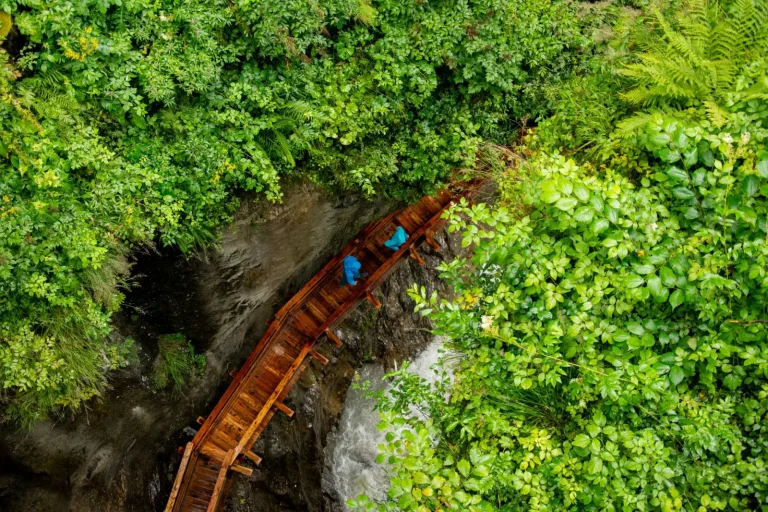

Purling Brook Falls sits at the edge of the Springbrook plateau, and after multiple visits across different seasons, I’ve come to understand why this walk carries a reputation that doesn’t quite match what most people anticipate. The waterfall itself is genuine – a clean drop into a pool surrounded by subtropical rainforest – but the journey to reach it involves a particular kind of physical demand that catches many visitors off guard. The escarpment terrain doesn’t forgive casual preparation, and the rainforest environment operates on its own schedule regardless of what you’ve read online.
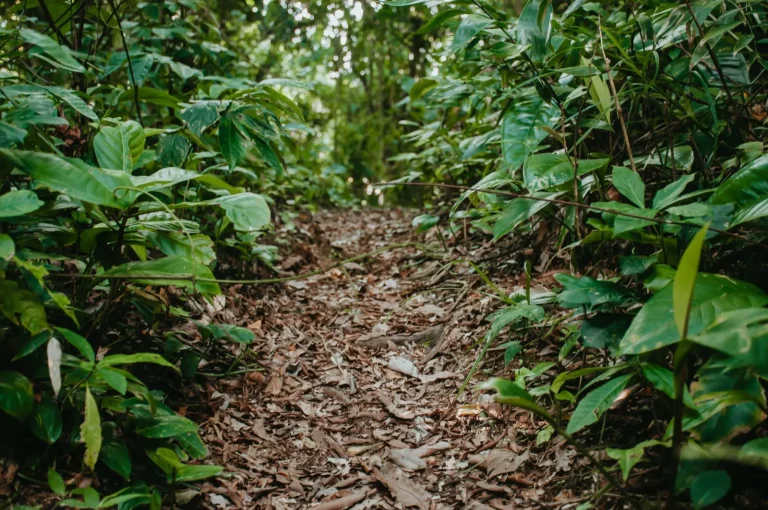
The walk begins innocuously enough at the carpark near the Springbrook village. From there, the track descends into the rainforest proper, and this is where the character of the place becomes apparent. The slope is consistent and steep – not a scramble, but a genuine descent that accumulates fatigue in the quads and knees over the roughly 1.5-kilometre drop to the falls. The rainforest canopy is dense enough that you lose direct sunlight for most of the descent, which affects both temperature perception and footing visibility. Roots cross the path frequently, and the soil tends toward slickness even when it hasn’t rained recently. This isn’t a technical climb, but it demands attention and a measured pace.
The Escarpment Effect
What makes this walk distinct from other rainforest walks in the region is the escarpment itself. You’re not walking through a valley or along a ridge; you’re descending the edge of a plateau. This means the gradient is relentless in one direction, and the return journey is relentless in the other. The air changes noticeably as you drop elevation – it becomes warmer and more humid, which is refreshing in winter but genuinely uncomfortable in summer months. I’ve found that people often underestimate this humidity shift and arrive at the falls already fatigued from the descent, only to face an equally demanding climb back up.
The rainforest vegetation here is not sparse or manicured. Lawyer vines and various spiky plants border sections of the track, and while the main path is clear, there’s no margin for inattention. Slipping sideways into the understory isn’t catastrophic, but it’s unpleasant and can result in minor cuts or twisted ankles. The forest floor itself is a mix of leaf litter, exposed roots, and sections of compacted earth where water has worn grooves into the path. After rain, these grooves become small channels, and footing becomes genuinely uncertain.
Water Conditions and Seasonal Variation
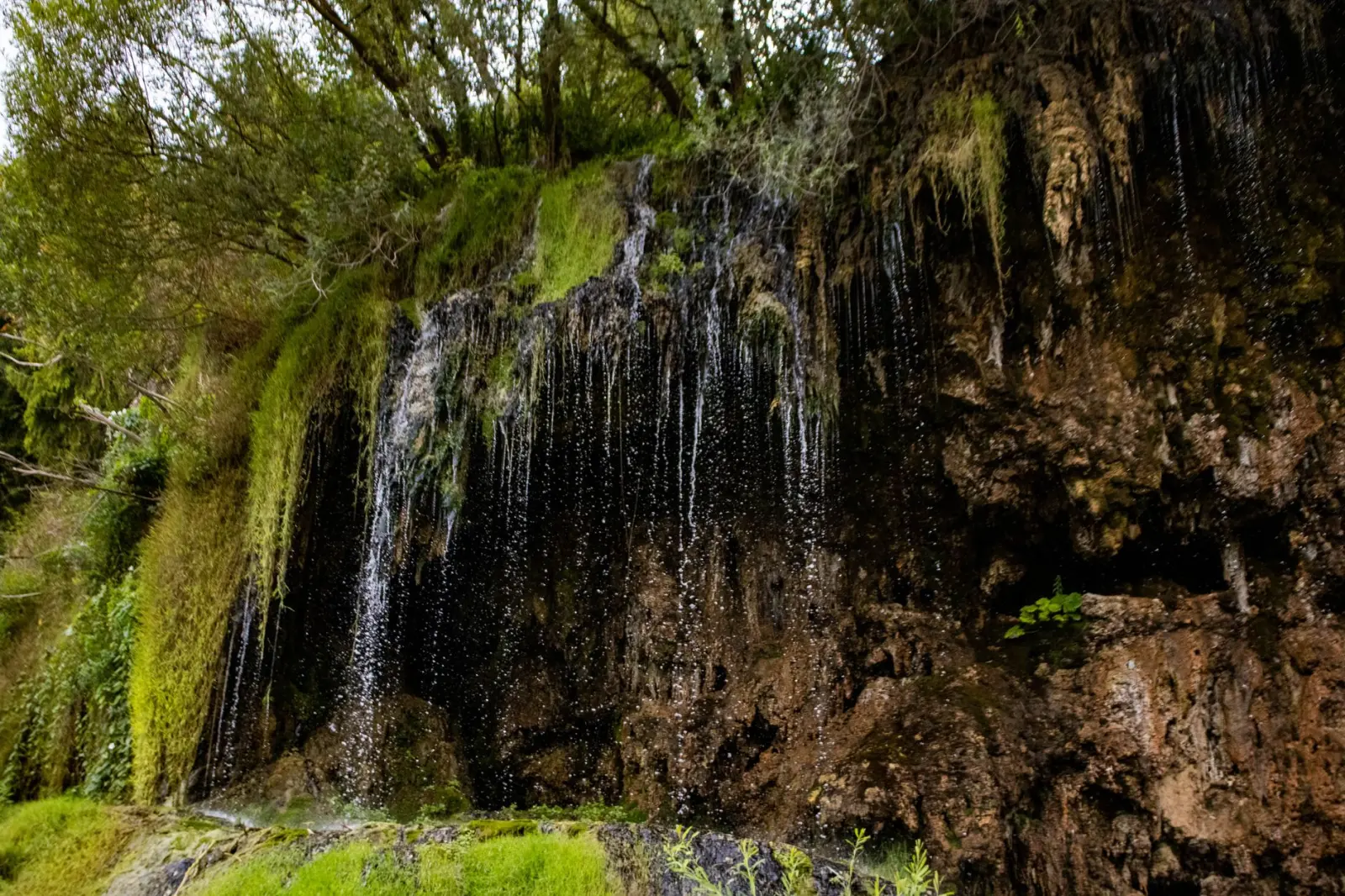
The falls themselves respond dramatically to rainfall. In the dry season, the flow can be modest – still impressive given the height, but not the thundering cascade that photographs suggest. After heavy rain, the volume increases substantially, and the pool at the base becomes turbulent. I’ve visited after significant overnight rain and found the water churning with debris, making swimming inadvisable despite the temptation. The rock formations around the pool are slippery year-round, and the spray zone extends further than you’d expect, so footing near the water requires deliberate care.
Timing your visit matters more than many guides acknowledge. Early morning visits mean fewer people and better light in the dense forest, but the temperature is cooler and the humidity can feel oppressive. Midday brings heat that amplifies the fatigue of the climb. Late afternoon offers reasonable light but concentrates foot traffic, and the return climb in fading light becomes a consideration if you linger. I’ve found that a start around 7 or 8 in the morning, with a target departure from the falls by early afternoon, tends to work well across most seasons.
Practical Realities
The walk is achievable for most people with reasonable fitness, but “reasonable” matters here. If you’re accustomed to flat walks or gentle slopes, this will feel significantly harder than you expect. The descent is deceptive because gravity helps, but it also means you’re constantly braking, which is more taxing than a steady climb. The return ascent is straightforward but relentless. I’ve watched fit people underestimate the return journey and arrive at the carpark genuinely depleted.
Water and footwear are non-negotiable. The path is damp enough that ordinary running shoes offer inadequate grip, and I’ve seen multiple people slip on sections that aren’t even particularly steep. Trail shoes or hiking boots with decent tread make a tangible difference. Carrying at least two litres of water is standard; the rainforest doesn’t offer water sources, and the physical demand of the descent and ascent means you’ll drink more than you anticipate.
The rainforest itself is the main attraction, not just the waterfall. The canopy is layered and complex, with ferns, orchids, and various epiphytes creating a genuinely biodiverse environment. The sound environment is interesting too – bird calls are frequent, and the ambient noise of the forest is substantial enough that conversation becomes unnecessary. This is worth noting because some people come expecting a quick photo opportunity and find themselves in a genuinely immersive rainforest experience instead.
Weather changes rapidly in this environment. A clear morning can shift to overcast conditions within hours, and the temperature differential between the plateau and the base of the escarpment means you can experience multiple seasons in a single visit. I’ve brought a light rain jacket on days that started dry and been grateful for it. The wind patterns are also notable – the escarpment creates its own microclimate, and exposed sections of the track can be surprisingly windy.
The walk is worth doing, but it’s worth doing with realistic expectations. It’s not a casual stroll, and it’s not a technical adventure. It’s a sustained rainforest descent and ascent through genuinely beautiful terrain that demands respect for the environment and honesty about your own physical capacity. The falls are real and worthwhile, but the experience is shaped far more by the rainforest and the escarpment than by the waterfall itself.