
Spending time in Australia’s tropical rainforests over the past fifteen years has meant watching a slow but unmistakable shift in how these ecosystems behave. The changes aren’t always dramatic or obvious on a single visit, but when you return to the same patches of forest across seasons and years, the pattern becomes clear. Temperature has crept upward. Rainfall timing has become less predictable. Species composition is shifting in ways that don’t always make headlines but matter deeply to how the forest functions.
The tropical rainforests of northeastern Australia – particularly those in Queensland and parts of the Wet Tropics – exist in a delicate equilibrium shaped by millions of years of consistent climate patterns. These forests evolved under specific temperature ranges and seasonal rainfall cycles. That stability is now being disrupted, and the consequences ripple through every layer of the ecosystem.
Temperature increases and moisture stress
The warming trend in tropical Australia is real and measurable. Average temperatures have risen roughly 1.4 degrees Celsius since the mid-20th century, with some regions experiencing larger shifts. What matters more than the average, though, is how this affects the forest during critical periods. Hotter dry seasons intensify moisture stress on plants that evolved expecting more moderate conditions. Trees that have never needed deep root systems to survive droughts are now facing longer periods without adequate water.
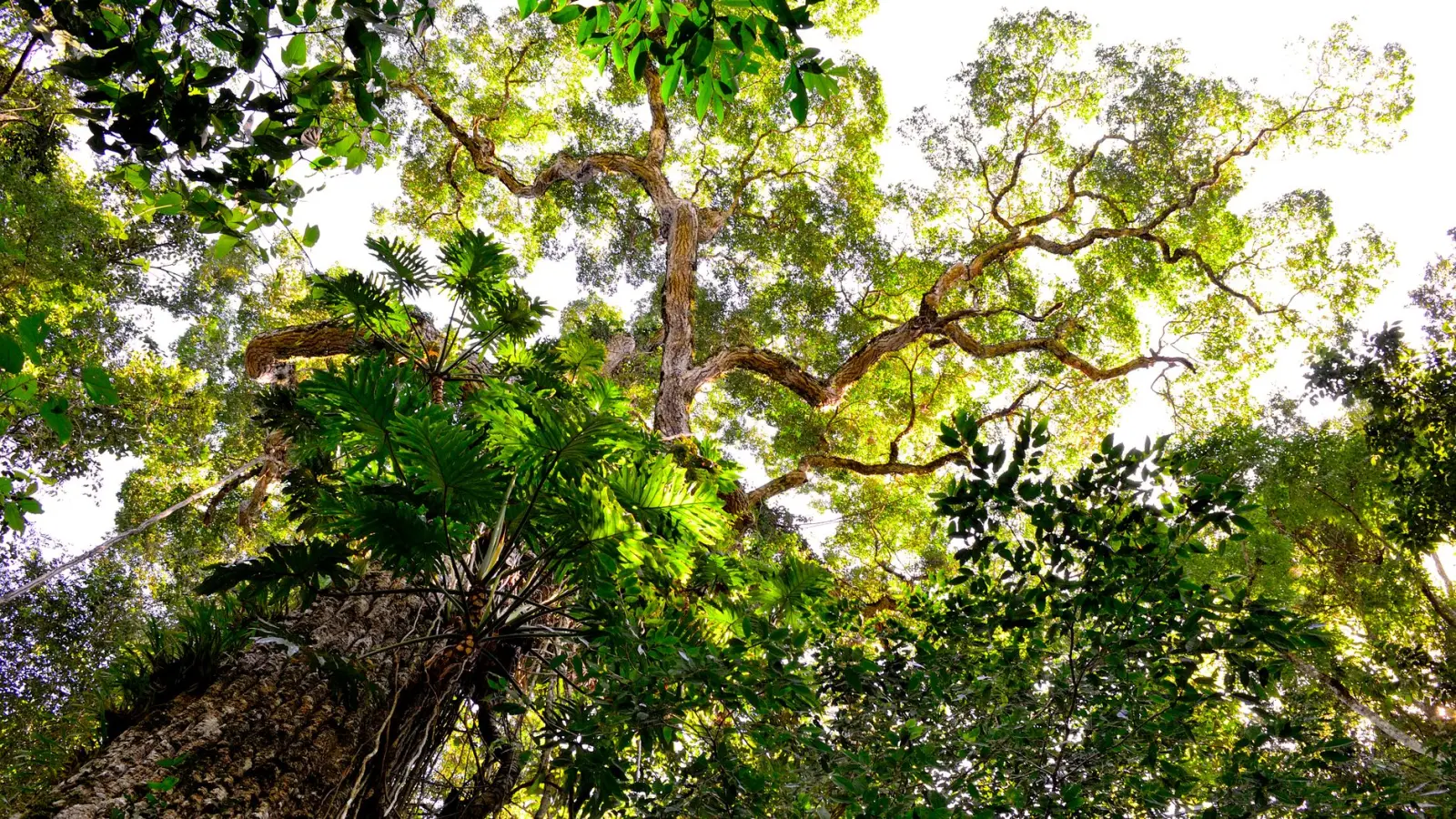
I’ve observed this firsthand in the understory and canopy. Epiphytic plants – orchids, ferns, and bromeliads that live on tree branches – are particularly vulnerable. These plants rely entirely on intercepting moisture from humid air and rainfall. When dry seasons extend or become more intense, the air itself dries out faster. Plants that were adapted to near-constant humidity begin to struggle. Some years, the recovery is quick once rain returns. Other years, the stress compounds, and you see die-off that takes years to fully manifest.
Soil moisture dynamics have changed too. The leaf litter layer that characterizes healthy rainforest floor acts as a moisture buffer, but when the dry season intensifies, this layer dries more completely than it historically did. Root systems adapted to consistent moisture availability face periods of genuine drought stress. This doesn’t kill the forest overnight, but it shifts competitive advantages and makes some species more vulnerable to secondary stresses like pests or disease.
Rainfall patterns becoming less reliable
One of the most significant changes is not necessarily total rainfall volume – though that varies – but the timing and distribution of rain throughout the year. The monsoon season that traditionally delivers concentrated rainfall has become less predictable. Some years bring heavy early-season downpours followed by extended dry periods. Other years, rain is spread more thinly across months. This unpredictability is harder for ecosystems to absorb than a simple decrease in total rainfall.
The wet season is compressing in some regions while extending erratically in others. This matters because many rainforest species have reproductive cycles timed to historical rainfall patterns. Trees that fruit in response to specific moisture conditions may now fruit at the wrong time relative to seed disperser availability. Understory plants that germinate after particular rainfall events may find those events occurring weeks earlier or later than their germination windows evolved to expect.
I’ve watched this affect regeneration rates in disturbed areas. Where the forest has been logged or damaged, recovery depends on seedling establishment during favorable moisture conditions. When those windows shift or become unpredictable, regeneration slows. Young plants are more vulnerable to drought stress than established trees, so timing matters enormously.
Species composition and range shifts
As conditions warm and dry, the competitive balance between species changes. This isn’t a sudden replacement – it’s a gradual shift in which species thrive and which struggle. Species adapted to warmer, drier conditions are expanding their ranges into areas where they were previously marginal. Meanwhile, species that require cooler, wetter conditions are being squeezed into smaller refugial areas, typically at higher elevations where temperatures remain cooler.
The wet tropics of Queensland contain significant elevational gradients, and these have become increasingly important as climate refugia. Species are moving upslope, seeking cooler temperatures. But there’s a physical limit to this migration. As you move higher, the available habitat shrinks. Eventually, there’s nowhere left to go. Species that were once common across broad elevational ranges are now concentrated in narrower bands at higher altitudes, making them more vulnerable to localized disturbances.
Some of the most concerning shifts involve foundational species – trees that structure the forest and provide resources for countless other organisms. When these change composition, the entire ecosystem shifts. I’ve observed areas where historically dominant tree species are declining while previously minor species become more prominent. This doesn’t happen evenly across the forest. Some patches change faster than others, creating a mosaic of different successional states.
Pest and disease pressure increasing
Warmer temperatures create conditions favoring certain pests and pathogens that were previously limited by cooler conditions. Insects and fungi that couldn’t survive regular cold snaps now persist year-round. This is particularly significant for species that evolved with natural pest control mechanisms based on seasonal temperature fluctuations. When those cold periods become rare or absent, pest populations can build to levels the forest hasn’t experienced in recent history.
I’ve seen this with various fungal pathogens that affect rainforest plants. Warmer, more humid conditions – which can occur even during drier seasons due to increased cloud formation at higher elevations – create ideal conditions for fungal growth. Plants stressed by moisture limitations are also more susceptible to infection. The combination of stress and increased pathogen pressure creates a compounding problem.
Insect outbreaks follow similar patterns. Species that feed on particular rainforest plants may have multiple generations per year now, rather than the single or partial generation they historically had. This increased reproductive rate means population explosions can occur more rapidly, and the forest’s natural control mechanisms may not keep pace.
Hydrological changes and stream ecosystems
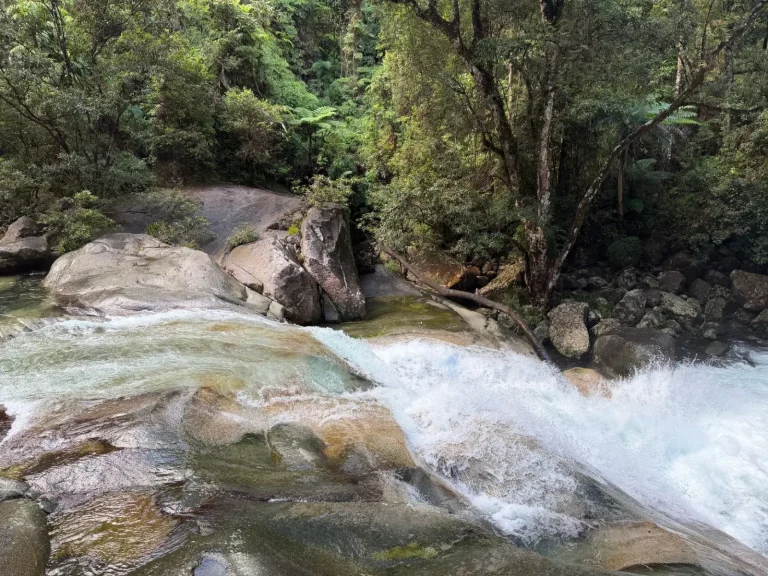
The rainforest doesn’t exist in isolation from its water systems. Streams and rivers that run through tropical rainforests are shaped by the forest’s water cycling. As rainfall patterns change and dry seasons intensify, stream flow becomes less reliable. Some streams that historically maintained consistent flow year-round now experience periods of very low water or even temporary cessation of flow.
This affects aquatic species that depend on consistent water conditions. Fish, amphibians, and invertebrates adapted to cool, flowing water face stress when streams warm and water levels drop. The forest canopy that shades streams and keeps water cool is sometimes opened up by logging or natural disturbance, which further warms the water. The interaction between forest condition and stream temperature is direct and measurable.
Flood patterns have also shifted. Intense rainfall events, when they occur, can be more severe than historical norms, leading to erosion and sedimentation that affects stream ecosystems. The forest’s ability to buffer these events depends on intact vegetation and soil structure, which are themselves stressed by the changing climate.
What I’ve come to understand from years of observation is that climate change in tropical rainforests isn’t a single problem but a cascade of interconnected stresses. Temperature and rainfall changes alter competitive dynamics between species, which shifts forest structure and function. This creates conditions favoring certain pests and pathogens. Stressed plants are less resilient to these secondary pressures. Water systems respond to both the direct climate changes and the altered forest condition. The system is being pushed away from the equilibrium it maintained for millennia, and the direction of that push is becoming clearer each year.