
The Twin Falls circuit in Springbrook National Park sits in that middle ground where it looks manageable on paper but reveals its complexity once you’re actually moving through the rainforest. I’ve walked this loop dozens of times across different seasons, and it remains one of those walks that surprises people who underestimate the rainforest environment itself rather than the distance.
The circuit is roughly 8 kilometers, which means most walkers expect a straightforward three to four hour outing. That calculation tends to ignore what rainforest actually does to your pace. The track isn’t steep in the dramatic sense, but it’s relentlessly undulating, rooted, and often muddy. The canopy is dense enough that you’re rarely in direct sun, which sounds pleasant until you realize it also means the ground stays wet for hours after rain, even when the sky has cleared.
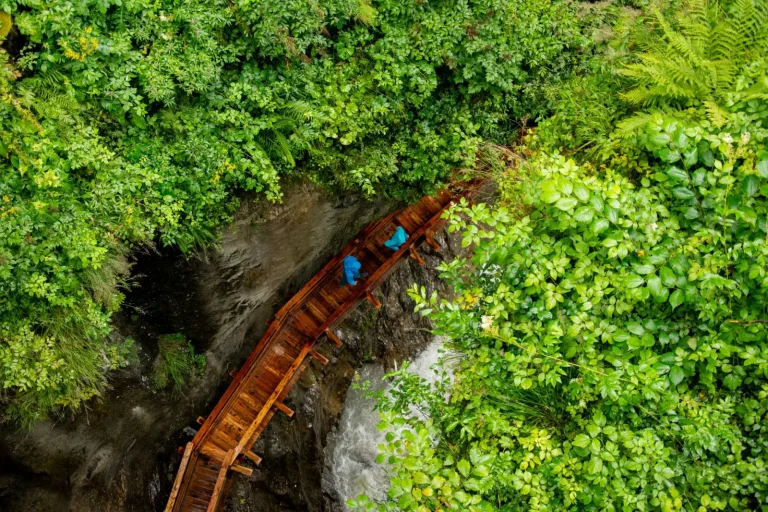
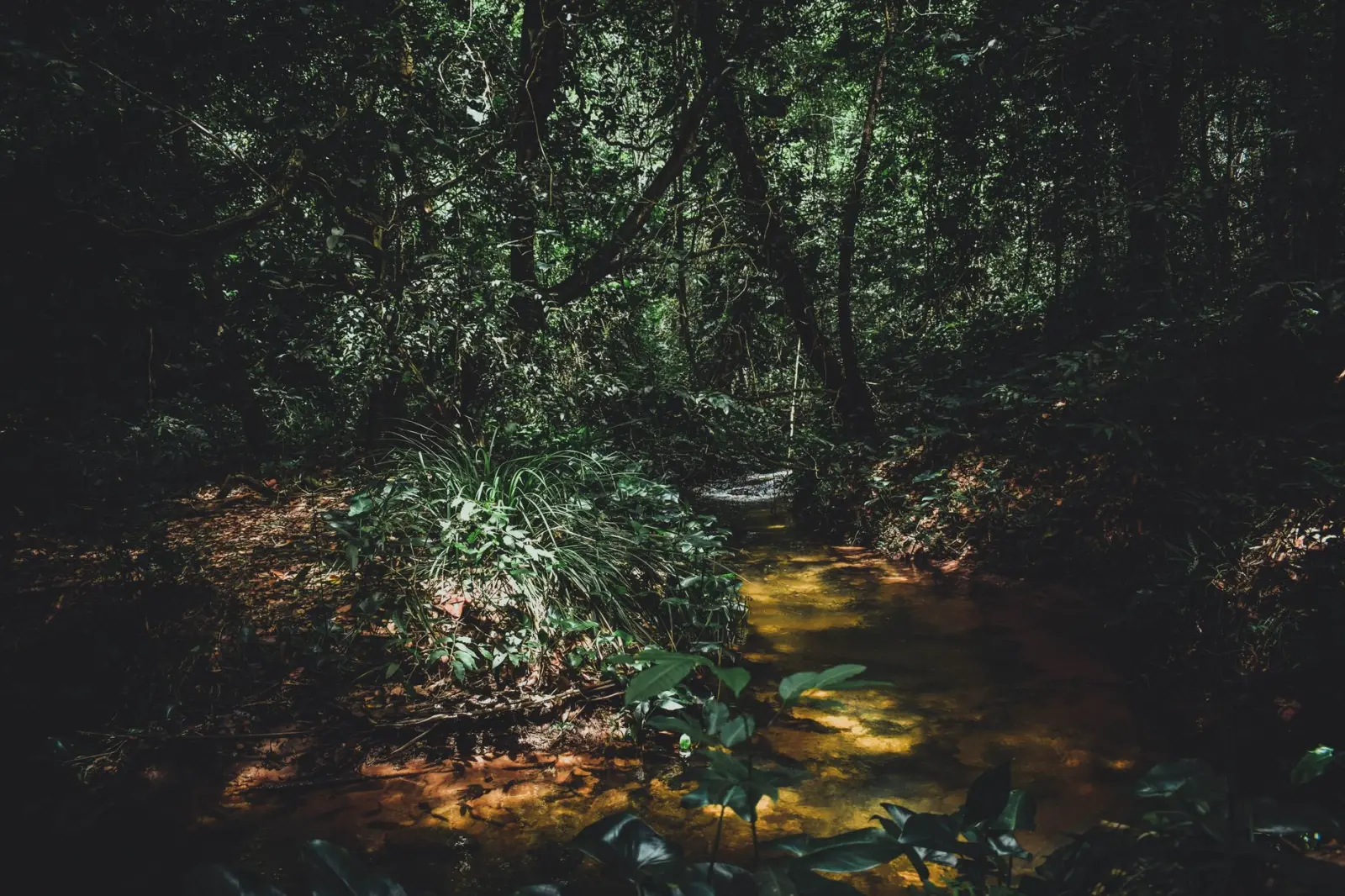
What makes this walk distinctive is the water. Twin Falls itself is the main feature, and the circuit involves creek crossings that vary dramatically with rainfall. During dry periods, you’re stepping across rocks with minimal water flow. After heavy rain, those same crossings become genuinely technical, with slippery rocks and faster current that demands careful foot placement and sometimes a walking pole used as a brace. I’ve seen confident walkers slip here, and I’ve had to turn back when water levels rose unexpectedly mid-walk.
The terrain and what it demands
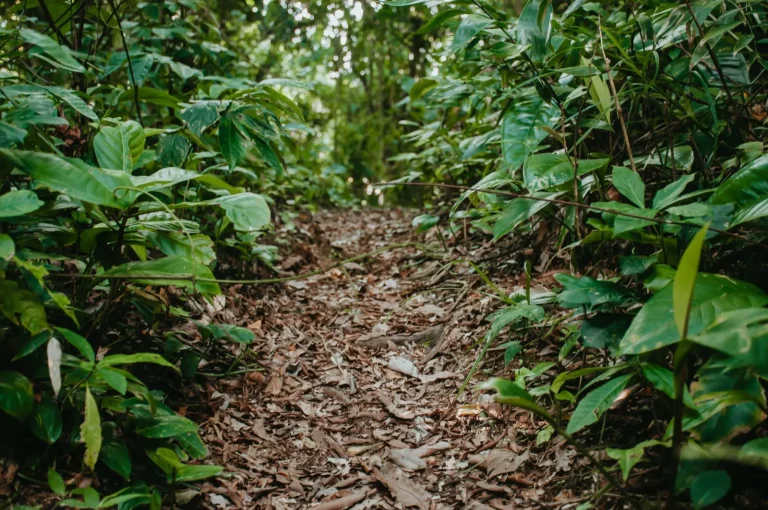
The first section heading uphill toward the falls is probably the most demanding part of the walk, not because of steepness but because of the ground itself. The track is heavily trafficked, which has worn it into a gully in places. Tree roots create natural steps, but they’re uneven and require constant attention. Your ankles are working the entire time, adjusting for the irregular surface. This is where fatigue starts accumulating earlier than people expect.
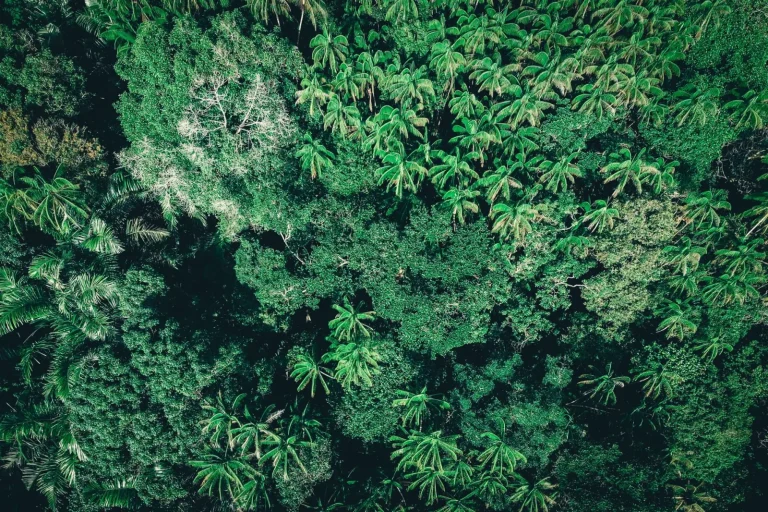
The rainforest canopy here is genuinely old growth in sections. The trees are massive, and the understory is thick with ferns and smaller vegetation. This density means the air feels different – cooler, more humid, and somehow heavier. On warm days, this is actually an advantage because you’re rarely overheating. On cool days, it can feel colder than the temperature actually is.
The creek crossings themselves vary. The main crossing near the falls involves stepping across large boulders. The rocks are often slick with algae or moss, particularly on their upstream faces where water has been flowing over them. I’ve learned to test each rock before committing my full weight, and to use a pole if I’m carrying one. The water here moves faster than it appears from above, and the rocks are often more rounded and unstable than they look.
Timing and the reality of daylight
People often start this walk later than they should. The carpark at Springbrook can be busy on weekends, which pushes departure times later. The rainforest also creates its own time pressure because the light quality changes noticeably through the day. By mid-afternoon, the canopy is dark enough that you’re moving through shadow even though it’s still bright outside the forest. This isn’t dangerous, but it does slow your pace because you’re watching the ground more carefully.
I typically aim to start by mid-morning, which gives a comfortable window to complete the circuit before the light becomes genuinely poor. Starting after 1 PM means finishing in fading light, which is manageable but unnecessary. The walk doesn’t have any genuinely exposed sections where darkness becomes a safety issue, but the muddy, rooted terrain becomes harder to navigate when you can’t see the ground clearly.
Water and what to bring
Carrying water is essential, but the amount people bring varies. A two-liter capacity is reasonable for most conditions. The walk doesn’t have water sources that are reliably safe to drink from without treatment, despite the creeks. I’ve seen people fill bottles from the creek, and while it’s probably fine most of the time, the risk isn’t worth the weight savings.
Footwear matters more than people realize. Trail runners with good grip work reasonably well, but dedicated hiking boots with stiffer soles and better ankle support are noticeably better on the rooted terrain and at creek crossings. Sandals or light shoes are a mistake here. The ground is too uneven and the water crossings too slippery to justify the comfort trade-off.
Seasonal variation and planning
This walk changes significantly with the seasons. During the wet season (November through March), the creeks can be genuinely impassable after heavy rain. I’ve arrived at the carpark to find the main crossing swollen and moving too fast to cross safely. The mud is also deeper and more slippery during this period. The upside is that the rainforest is at its most lush, and the falls have genuine volume.
The dry season (June through September) brings firmer ground and lower water levels, making creek crossings straightforward. The trade-off is that the falls have less water and the rainforest feels less dramatic. Autumn (March through May) and spring (September through November) tend to be the sweet spot – enough water in the creeks to make the falls worthwhile, but ground conditions that aren’t muddy enough to slow you significantly.
The walk is popular enough that you’ll rarely be alone, particularly on weekends. This isn’t necessarily a problem, but it does mean the track is well-maintained and easy to follow. There are no navigation challenges here. The downside is that during peak times, the creek crossings can become congested, with people waiting to cross or navigating around others.
What tends to catch people off-guard is how much the rainforest environment itself affects the experience. It’s not just about distance or elevation. The humidity, the rooted terrain, the mud, and the creek crossings all combine to make this a more technical walk than the 8-kilometer distance suggests. It’s a walk that rewards attention to footwork and realistic pacing rather than speed. Most people who struggle here aren’t unfit – they’ve simply underestimated what moving through rainforest actually requires.