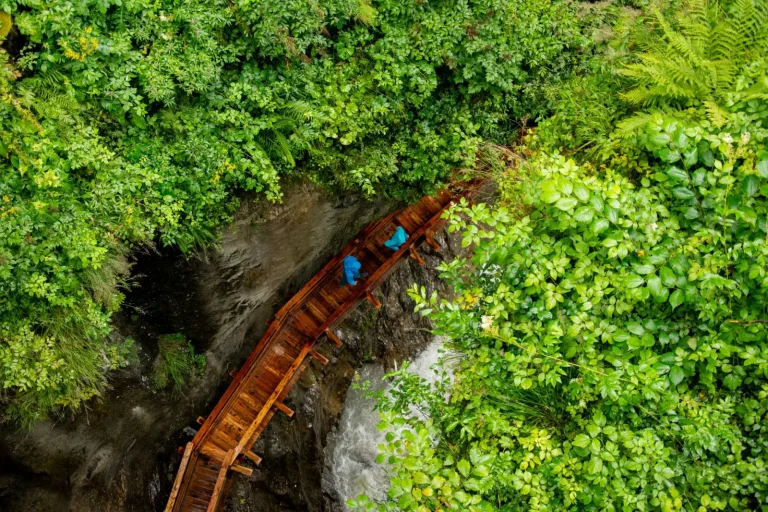

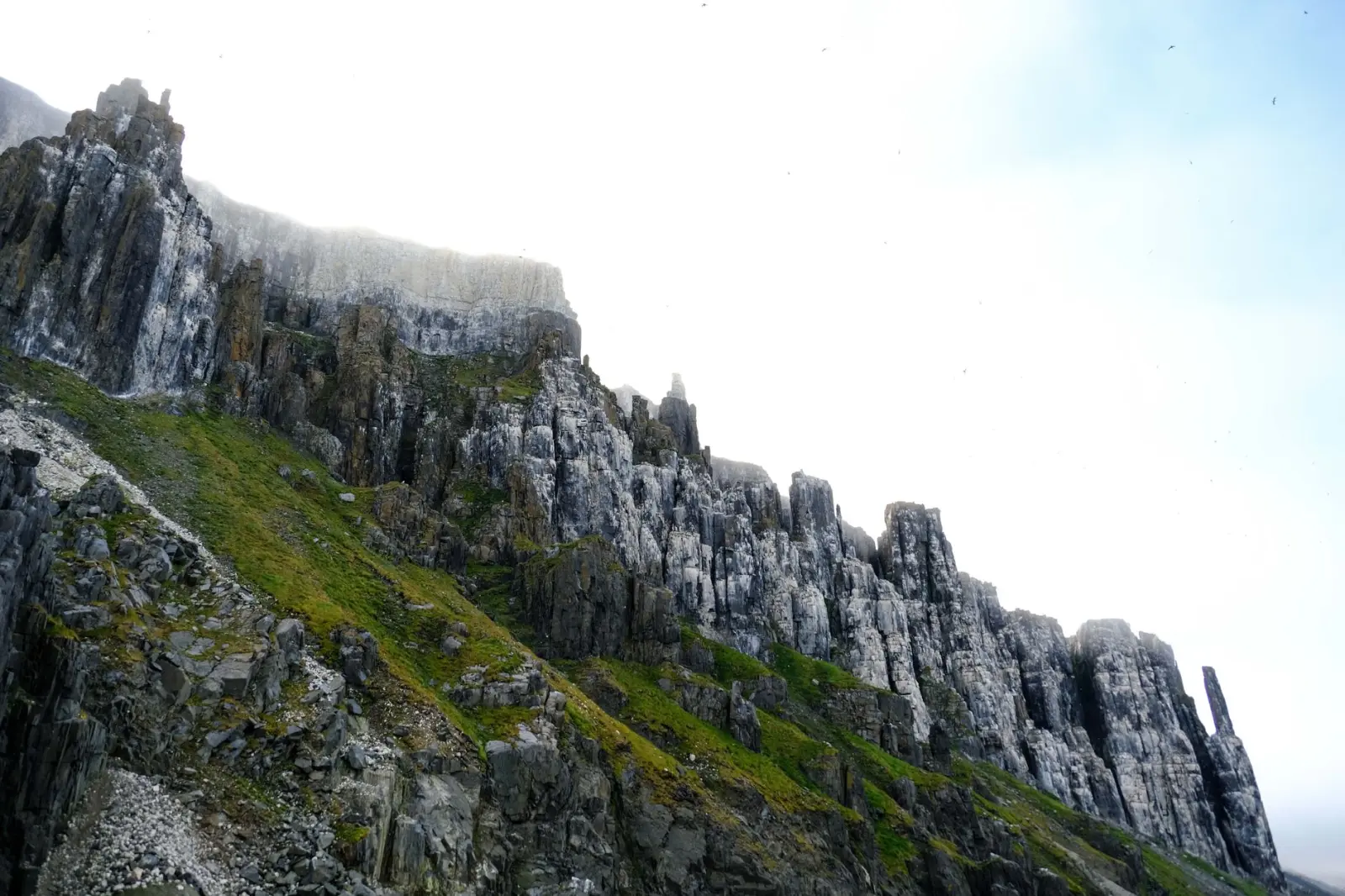
Springbrook National Park sits on a volcanic plateau in southeastern Queensland, and the moment you step into its rainforest, you’re dealing with terrain that doesn’t forgive casual preparation. The escarpments that define this landscape aren’t gentle slopes. They’re steep, often unstable drops where the ground shifts under your feet, where tree roots form a chaotic network that catches boots at unexpected angles, and where the canopy density means you’re navigating in perpetual dimness even at midday.
I’ve walked these tracks dozens of times across different seasons, and the reality is straightforward: Springbrook demands respect for its geology and weather patterns. The escarpments are the park’s defining feature, but they’re also where most people encounter genuine difficulty. The waterfalls that draw visitors are real attractions, but reaching them involves sustained effort on terrain that deteriorates quickly after rain and remains slippery for days afterward.
The Escarpment Structure and What It Means Underfoot
The escarpments here are remnants of volcanic activity, and that history shows in the rock composition. You’re walking on basalt that’s broken into irregular fragments, often covered by moss and lichen that create a deceptively smooth appearance. That smoothness is the problem. When wet, basalt becomes nearly frictionless. Boots with good grip help, but they’re not a solution – they’re a basic requirement that many visitors overlook.
The actual descent into the escarpment gullies involves steep sections where handholds become necessary. The park has installed chains and rope in the most severe spots, particularly on tracks like the Twin Falls circuit, but these exist because the terrain genuinely requires them. This isn’t a manufactured difficulty. It’s a response to the physical reality of the slope. When you’re descending 200 meters in less than a kilometer of track, you’re dealing with an average gradient that leaves no room for casual footing.
What complicates the escarpment experience is the vegetation. Rainforest doesn’t grow on steep slopes by accident. The plants have adapted to unstable terrain, and their root systems, while providing some grip, also create uneven surfaces. You step on what looks like solid ground and find it’s actually a root covered by leaf litter. Your foot slides. The next step is uncertain. This pattern repeats throughout the descent, and it’s exhausting in a way that flat track hiking isn’t.
Water Features and the Timing Problem
The waterfalls at Springbrook are genuine attractions. Twin Falls, Purling Brook Falls, and the various smaller cascades within the escarpment gullies offer something you don’t find everywhere. But they’re seasonal in character, and that matters more than the park information typically conveys. During dry periods, some falls reduce to a trickle. During heavy rainfall, they become dangerous – the water volume increases, the rock surfaces become slicker, and the mist creates visibility problems that make route-finding difficult.
The best window for waterfall viewing is roughly two to three weeks after significant rain, when water flow is substantial but the rock surfaces have partially dried. This timing rarely aligns with when people actually visit. Most visitors arrive during school holidays or weekends, which may or may not correspond to optimal conditions. I’ve seen groups disappointed by minimal water flow in summer, and I’ve also seen people underestimate the hazard when waterfalls are running hard after storms.
Reaching the base of Purling Brook Falls requires descending into a narrow gully where the walls funnel wind and spray. The final approach involves scrambling across wet rock with limited handholds. The waterfall itself is impressive, but the environment is unforgiving. People slip here. Not often, but it happens, and the consequences are real because there’s no easy exit if something goes wrong.
Rainforest Conditions and What They Hide
The rainforest canopy at Springbrook is dense enough that weather patterns behave differently than they do in open terrain. Rain that’s light at the plateau level can feel heavy once you’re under the canopy because water drips from leaves continuously. Conversely, light can be so limited that you misjudge the time of day. I’ve watched people realize at 3 p.m. that they’re still an hour from the trailhead, and darkness arrives quickly in this environment.
The humidity is constant. Even on cool days, the air is saturated, and that affects how your body manages exertion. You fatigue faster than you would on a drier track at the same elevation gain. Dehydration sneaks up on people because the humidity masks how much they’re sweating. I’ve seen fit hikers hit a wall halfway through a circuit because they underestimated their water needs.
The forest floor itself is a living system that changes. After heavy rain, sections that were walkable become boggy. Tree falls occasionally block routes. Leeches are present during warm months, particularly after rain. They’re not dangerous, but they’re unpleasant, and many people aren’t prepared for them. The park doesn’t advertise this heavily, but it’s part of the actual experience.
Practical Realities for Different Tracks
Springbrook has multiple entry points and circuits of varying difficulty. The Twin Falls circuit from the main carpark is probably the most popular, and it’s genuinely steep. It’s about 4 kilometers round trip with roughly 300 meters of elevation change, but that change is concentrated. You descend steeply, walk a relatively flat section at the bottom, and then climb back out. The descent takes 45 minutes for most people. The climb back takes longer, sometimes 90 minutes, because fatigue accumulates and the ascent is relentless.
The Purling Brook Falls track is longer and slightly less steep in overall gradient, but it’s more remote. The walk-in alone is 3 kilometers, and then you have the descent into the gully. People underestimate this one regularly. They expect it to be easier because the gradient is less severe, but the distance compounds fatigue, and the final approach to the falls is technically demanding.
There are gentler options if you’re not interested in the escarpment proper. The plateau-level walks around the carpark areas are pleasant and manageable. But they don’t offer the waterfall experience or the sense of being in a genuinely wild landscape. Most people who come to Springbrook want the escarpment experience, which means accepting the difficulty.
Seasonal Patterns and Visitor Density
The park is busier during school holidays and weekends, which is when many people visit. This creates crowding on narrow sections of track, particularly on the descent into Twin Falls. When tracks are crowded, they deteriorate faster. More feet means more erosion, more disturbance of loose rock, and more risk of minor accidents simply because people are navigating in closer proximity.
Winter, roughly June through August, offers cooler conditions and fewer leeches, but it also brings occasional frost at the plateau level. The escarpment tracks don’t freeze, but the rock can be slicker, and the reduced daylight means you have less time before darkness falls. Spring and autumn are generally the most reliable seasons, though autumn can bring unpredictable rain.
Early mornings offer several advantages. The light is better, the tracks are less crowded, and you have more time buffer before darkness. I’ve found that starting at first light and completing the circuit by early afternoon removes a lot of variables. It’s a simple approach, but it’s one that most casual visitors don’t follow, and it makes a noticeable difference in the experience.
Springbrook’s escarpments and waterfalls are worth the effort, but they’re worth it because they’re genuinely challenging, not because they’re scenic. The landscape is dramatic precisely because it’s unstable, steep, and unforgiving. Understanding that distinction – recognizing that the difficulty is real and not something to minimize – changes how you approach the park. You prepare differently. You move more carefully. You respect the terrain instead of expecting it to accommodate you.