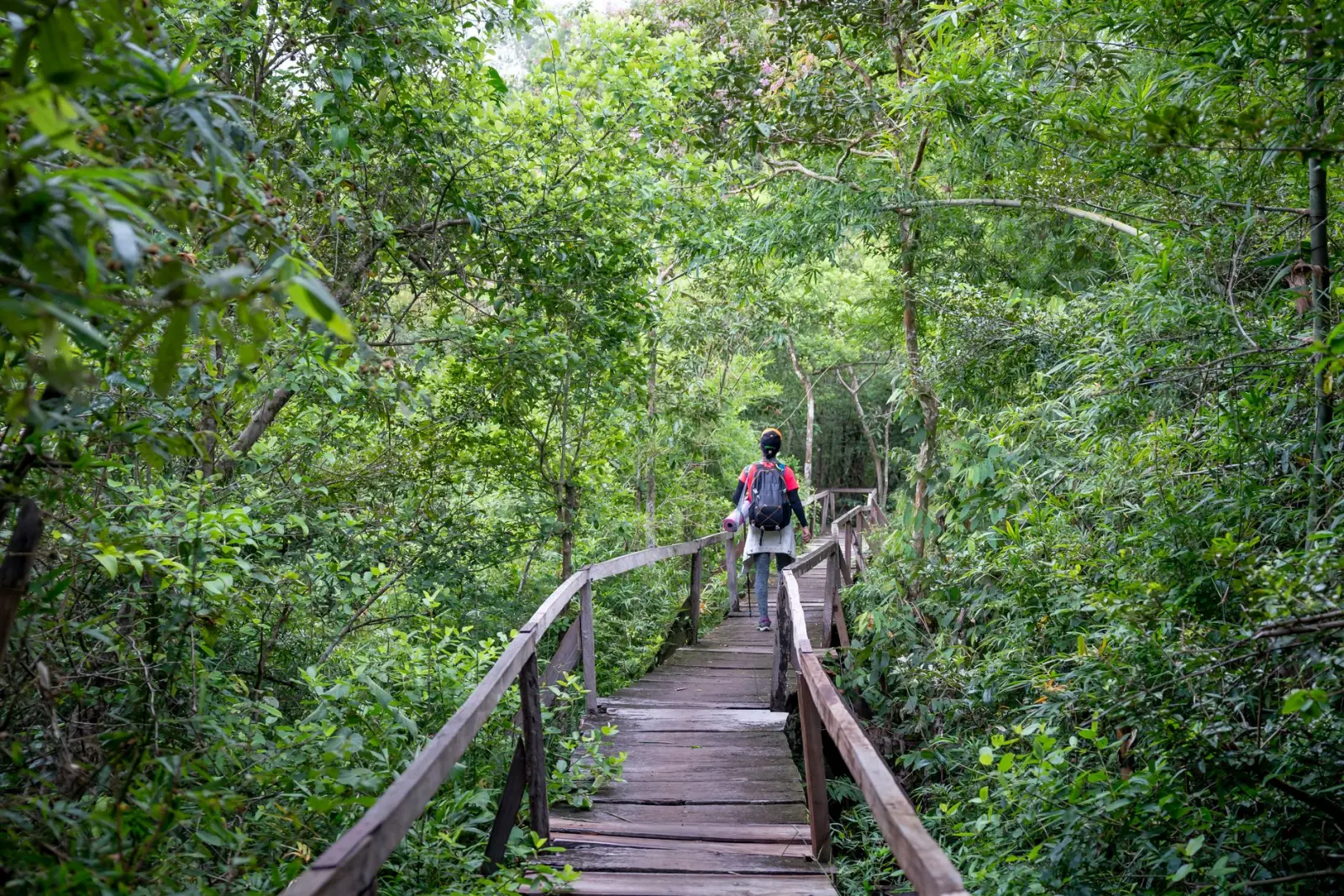
The Jindalba Boardwalk cuts through a section of the Daintree that most people never properly see. You walk it in under an hour, which sounds straightforward until you actually spend time on the forest floor and realize how much happens in that compressed space. After multiple visits across different seasons, I’ve come to understand that this boardwalk works not because it’s particularly long or dramatic, but because it forces you to slow down in a place where slowness reveals almost everything.
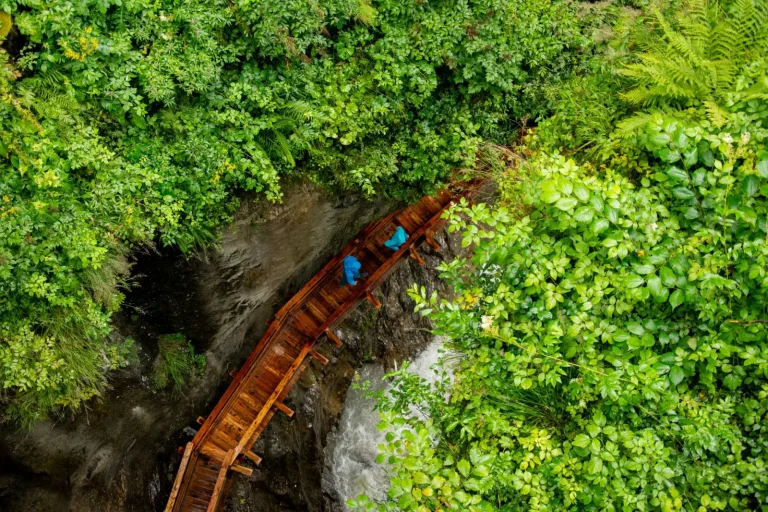
The boardwalk itself is well-maintained, which matters more than it sounds. The timber decking keeps you elevated above the actual forest floor, and this separation is deliberate. The Daintree’s soil is thin and easily compacted. What looks like solid ground is often a dense mat of roots, fungi, and decomposing matter that took decades to establish. The boardwalk protects that layer while giving you a stable platform to observe it. Without the boardwalk, foot traffic would degrade the understory structure that supports the entire system.
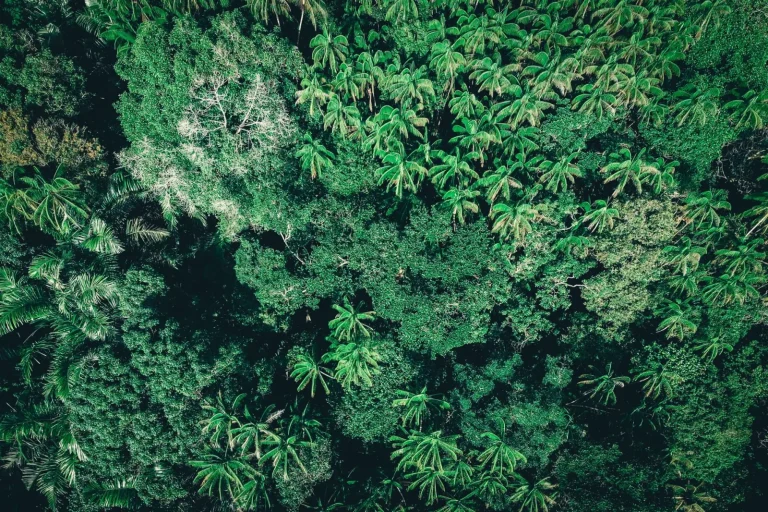
What strikes most people first is the density of vegetation. The Daintree is one of the world’s oldest rainforests, and that age shows in the sheer complexity of the canopy layers. You’re looking at trees that compete for light in ways that temperate forests don’t experience. The result is a vertical ecosystem where almost every available space is occupied. Ferns grow on other ferns. Vines climb trees that are themselves growing from the trunks of fallen giants. This isn’t chaos – it’s extreme efficiency.
The Canopy and What It Filters
The canopy above the boardwalk is so dense that even on bright days, the light reaching the forest floor is filtered and diffused. This affects everything that happens below. Temperatures remain relatively stable. Humidity stays high. The understory plants have adapted to these conditions over millions of years. Palms dominate the lower levels, particularly the walking palm and various fern palms. These aren’t random – they’re species that thrive in deep shade and can tolerate the constant moisture.
Walking the boardwalk in the early morning or late afternoon gives you better visibility and, more importantly, better chances of seeing wildlife. The forest floor is active at these times, though “active” is relative. You might spot a cassowary, though they’re not common along this particular section. More likely you’ll see smaller movements – skinks, insects, occasionally a python draped across a low branch. The boardwalk’s elevation means you’re not competing with ground-level animals for space, which reduces stress on them and keeps the ecosystem functioning more naturally.
Insects dominate the Daintree’s actual biodiversity, though they’re easy to overlook if you’re only glancing around. Beetles, ants, and countless species of flying insects are the real workers of this forest. They’re the ones breaking down the leaf litter, pollinating the flowers, and feeding the birds. The boardwalk puts you close enough to notice this activity without disrupting it. You’ll see spider webs strung between railings, often rebuilt daily. You’ll notice the sound of insects before you see them – a constant background hum that most people don’t consciously register until they stop and listen.
Seasonal Variations and Timing
The boardwalk experience changes significantly depending on when you visit. During the wet season, the forest is visibly more active. Water drips constantly from the canopy. Fungi fruit prolifically. The understory plants are at their most vibrant. The trade-off is that humidity can be oppressive, and insects are more aggressive. The dry season offers clearer visibility and less physical discomfort, but the forest is quieter. Water becomes scarce at ground level, and many animals move to find it elsewhere.
I’ve found that visiting mid-morning, after the early-morning animal activity has subsided but before the midday heat intensifies, offers a reasonable balance. You’re not fighting the crowds that arrive later, and the light is good enough to see detail without being so harsh that it washes out the forest’s colors. The walk typically takes forty-five minutes to an hour if you’re actually observing rather than just moving through.
What the Forest Floor Actually Tells You
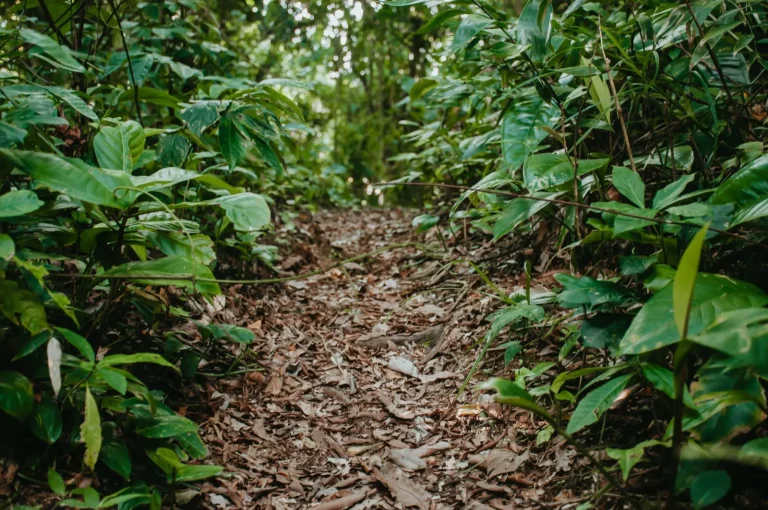
The decomposition layer visible from the boardwalk is where the Daintree’s real story lives. That thick carpet of leaves, branches, and organic matter isn’t waste – it’s the engine of the system. The soil beneath it is surprisingly thin, often just a few centimeters before you hit laterite or bedrock. This is why the trees have evolved shallow, spreading root systems rather than deep taproots. They’re anchored horizontally across a wide area, and they’re competing for nutrients in that thin upper layer.
Fallen logs are particularly instructive. A large tree that’s come down stays where it falls, slowly decomposing over decades. While it decays, it becomes habitat for countless organisms and a nutrient source for smaller plants growing directly from its surface. You’ll see seedlings sprouting from rotting wood – this is called a “nurse log,” and it’s a critical part of how the forest regenerates itself. The boardwalk passes close enough to these features that you can observe the process without interfering with it.
The Daintree’s age is most apparent in the diversity of tree species. There’s no single dominant species like you might find in younger forests. Instead, there’s a complex mix of species, many found nowhere else on Earth. Some of these are evolutionary relics, plants that survived the climate changes that eliminated them from other parts of the world. Walking the boardwalk, you’re moving through a living museum of botanical history, though most of it looks simply like “forest” unless you know what you’re looking at.
Practically speaking, the boardwalk is accessible to most fitness levels, which is its strength and its limitation. It’s gentle enough that you don’t need to be particularly fit, but that accessibility means it can feel crowded during peak tourist season. The best experience comes from treating it as a starting point rather than a destination. Use it to understand the forest’s basic structure, then supplement it with other walks in the area that go deeper into the canopy or follow creeks where the ecosystem shifts.
The Jindalba Boardwalk works because it respects the forest while allowing genuine observation. It’s not a shortcut to understanding the Daintree, but it’s a legitimate entry point. What you see there – the density, the layering, the constant decomposition and regrowth – is the foundation for everything else the rainforest contains. The walk doesn’t need to be long or strenuous to be worthwhile. Paying attention to what’s actually in front of you is what matters.